Kimchi-derived lactic acid bacteria identified as a biological agent for the removal of nanoplastics from the human body

The World Institute of Kimchi (WiKim), a government-funded research organization operating under the South Korean Ministry of Science and ICT, has unveiled a breakthrough discovery that positions a specific strain of kimchi-derived lactic acid bacteria as a potential biological solution to the rising crisis of nanoplastic ingestion. Led by President Hae Choon Chang, the institute has demonstrated that the bacterium Leuconostoc mesenteroides CBA3656 possesses a unique ability to bind to nanoplastics within the gastrointestinal tract, effectively facilitating their excretion and preventing systemic absorption. This development marks a significant shift in how researchers view the intersection of traditional food science and environmental toxicology.
The Emerging Threat of Nanoplastics
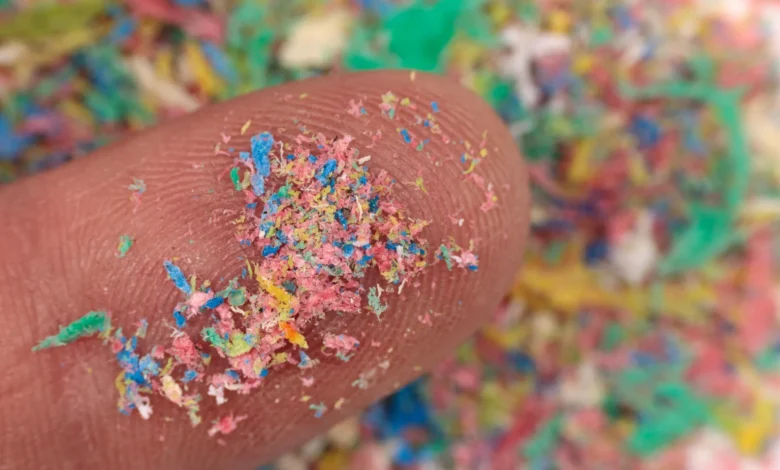
Nanoplastics are defined as plastic particles measuring less than 1 micrometer (µm) in diameter, essentially one-thousandth of a millimeter. Unlike microplastics, which are often visible to the naked eye or through standard microscopy, nanoplastics exist at a scale that allows them to bypass the body’s conventional biological defense mechanisms. These particles are the byproduct of the environmental degradation of larger plastic waste, including single-use packaging, synthetic fibers, and automotive tire wear.
Once these particles enter the human food chain through contaminated drinking water, seafood, and agricultural products, their diminutive size presents a significant physiological risk. Scientific literature has increasingly highlighted that nanoplastics are capable of crossing the intestinal barrier—a process known as translocation. Once they enter the bloodstream, they can accumulate in vital organs, including the liver, kidneys, and, most concerningly, the brain, potentially leading to inflammatory responses, cellular toxicity, and long-term metabolic disruption. Until the findings from WiKim, therapeutic strategies to mitigate this internal accumulation have been virtually non-existent, leaving the scientific community in search of viable interventions.
Research Methodology and Comparative Analysis
The research team, spearheaded by Drs. Se Hee Lee and Tae Woong Whon, focused their efforts on evaluating the binding affinity of various lactic acid bacteria (LAB) strains. The objective was to identify a probiotic that could act as an adsorbent, capturing nanoplastic particles before they could cross the intestinal wall. The primary candidate, Leuconostoc mesenteroides CBA3656, was subjected to a rigorous testing process that simulated both standard laboratory conditions and the harsh, variable environment of the human digestive tract.
In initial laboratory settings, the CBA3656 strain demonstrated an impressive adsorption efficiency of 87% against polystyrene nanoplastics (PS-NPs). To validate these results, the team compared the performance against a reference strain, Latilactobacillus sakei CBA3608, which exhibited an 85% efficiency rate under identical, stable conditions. However, the true efficacy of a probiotic is determined by its resilience within the human body, where pH levels, bile salts, and enzymatic activity create a hostile environment for many microorganisms.
When subjected to simulated human intestinal conditions, the performance gap between the two strains widened dramatically. The reference strain, CBA3608, saw its adsorption capacity collapse to a mere 3%. In contrast, the kimchi-derived strain CBA3656 maintained a robust 57% adsorption rate. This stability is critical, as it confirms that the probiotic remains functional throughout the transit process, ensuring that it can bind to pollutants within the gut lumen rather than being rendered inert by digestive fluids.
Chronology of Evidence: From In Vitro to In Vivo
The progression of the study followed a standard scientific trajectory, moving from controlled bench-top experiments to complex biological models.
- Phase I: Isolation and Characterization: WiKim researchers isolated various strains from traditional kimchi samples, identifying Leuconostoc mesenteroides CBA3656 as a high-potential candidate due to its cell surface properties and resistance to environmental stress.
- Phase II: Adsorption Testing: The team quantified the physical binding between the bacteria and polystyrene beads, establishing the baseline efficacy rates.
- Phase III: Simulated Digestive Environment: By utilizing artificial gastric and intestinal juices, the team confirmed that the bacterium could survive and maintain its structural integrity in a simulated human gut.
- Phase IV: Germ-Free Mouse Model Studies: To observe the effects in a living system, researchers administered the CBA3656 strain to germ-free mice. The results were statistically significant. Mice that received the probiotic treatment exhibited a twofold increase in the concentration of nanoplastics in their fecal matter compared to the control group. This provided the "smoking gun" evidence: the bacteria were actively pulling the nanoplastics out of the digestive tract through stool, rather than allowing them to remain in the body.
Official Responses and Scientific Context
The implications of these findings have drawn interest from both the food science and environmental health sectors. Dr. Sehee Lee, the lead researcher on the project, emphasized the importance of looking toward natural resources to solve modern synthetic problems.
"Plastic pollution is increasingly recognized not only as an environmental issue but also as a public health concern," Dr. Lee stated during the briefing. "Our findings suggest that microorganisms derived from traditional fermented foods could represent a new biological approach to address this emerging challenge. We will continue to expand the scientific value of kimchi microbial resources to contribute to public health and environmental solutions."
Experts outside the immediate research team have noted that while the results are promising, they represent a foundational step. The use of germ-free mice, while essential for isolating the variables of the microbiome, does not perfectly mirror the complex, diverse ecosystem of the human gut. Further clinical trials will be necessary to determine optimal dosages and the long-term safety profile of regular consumption of this specific strain in humans.
Broader Impact and Global Implications
The global production of plastics continues to rise, with millions of tons of synthetic materials entering the marine and terrestrial ecosystems annually. As these plastics degrade, the "nanoplastic load" in the environment is projected to increase, making the search for mitigation strategies a matter of public health urgency.
If these findings can be successfully translated to human applications, they suggest a paradigm shift in how we manage the internal impact of environmental pollutants. Rather than focusing solely on external cleanup efforts—which are notoriously difficult given the microscopic scale of nanoplastics—the medical community could shift toward "preventative detoxification." Probiotic-based interventions offer a non-invasive, cost-effective, and historically safe method for enhancing the body’s natural defense against modern chemical stressors.
Furthermore, this study elevates the status of kimchi as a functional food. While kimchi has long been touted for its probiotic benefits in digestion and immune system support, the potential for its microbial components to neutralize environmental contaminants adds a new dimension to its nutritional profile. It positions South Korea’s traditional food industry as a hub for biotechnological innovation, potentially leading to the development of specialized supplements or functional food products designed specifically for populations in high-exposure areas.
Future Research Trajectories
The World Institute of Kimchi has indicated that this study is part of a larger, ongoing initiative to map the functional potential of the kimchi microbiome. Future research is expected to investigate:
- Binding Diversity: Determining if the CBA3656 strain is equally effective against other types of plastics, such as polyethylene (PE) or polypropylene (PP), which differ in their chemical structure and surface charge compared to polystyrene.
- Mechanism of Action: Identifying the specific surface proteins or polysaccharides on the bacterial cell wall that facilitate the "capture" of nanoplastics. Understanding this mechanism could allow researchers to synthesize even more effective versions of the bacteria or enhance existing strains.
- Human Clinical Trials: Assessing how the probiotic interacts with a natural, diverse human gut microbiome and determining the frequency and volume of intake required to achieve a measurable reduction in systemic plastic burden.
As the scientific community grapples with the invisible threat of nanoplastics, the marriage of traditional fermentation knowledge and modern environmental toxicology provides a beacon of hope. By utilizing the very organisms that have defined human dietary habits for centuries, researchers may have unlocked a natural ally in the ongoing battle against the chemical legacy of the plastic age. The work conducted by WiKim serves as a reminder that the solutions to our most pressing 21st-century environmental challenges may be hidden within the traditional wisdom of our ancestors, waiting to be rediscovered through the lens of rigorous, modern science.
Related posts: