Decoding the Immune Breakdown: How Chronic Diabetic Ulcers Defy Healing and Spark a Revolution in Targeted Therapies

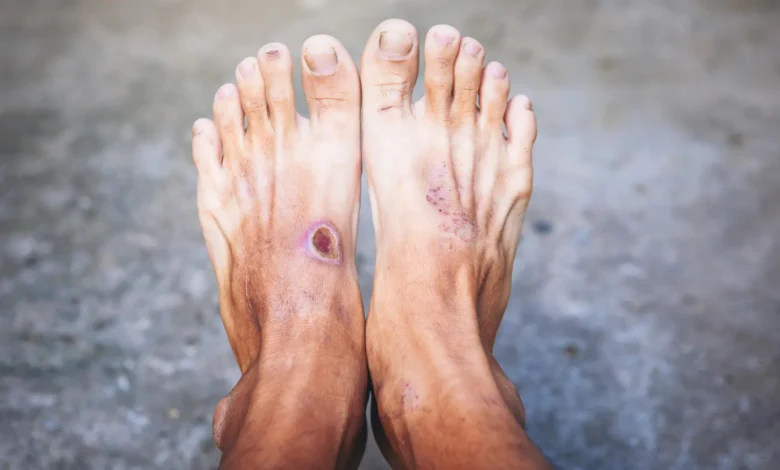
Chronic diabetic ulcers represent one of the most formidable, costly, and devastating complications in modern medicine. Affecting more than 131 million individuals globally, these persistent, non-healing wounds impose a staggering financial burden of approximately $755 billion annually on healthcare systems worldwide. Beyond the economic toll, they carry profound personal consequences, frequently leading to severe infections, prolonged hospitalizations, lower-extremity amputations, and increased mortality rates. Despite decades of advancement in wound care, the fundamental biological mechanisms that trap diabetic wounds in a perpetual state of inflammation have remained stubbornly difficult to master.
To bridge this knowledge gap, a comprehensive and timely review led by Yi Ru and a team of multidisciplinary researchers has cast a much-needed spotlight on the cellular architecture of diabetic wound healing. Published as an exhaustive analysis of immune cell dynamics, the study moves beyond traditional wound care paradigms to examine how distinct immune cell populations evolve, interact, and ultimately malfunction as diabetic wounds progress through their various stages. The findings not only redefine our understanding of chronic pathology but also point toward an emerging horizon of precision immunotherapies.
The Chronology of Injury and the Immune Stagnation of Diabetes
To understand why diabetic ulcers fail to heal, researchers must first look at the physiological timeline of a normal wound. When healthy tissue is injured, the body initiates a tightly orchestrated, overlapping cascade divided into three primary phases: the inflammatory phase, the proliferative phase, and the remodeling phase.
In a healthy individual, the immune system acts as both the first responder and the project manager. Immediately following trauma, neutrophils rush to the site to clear out invading pathogens and cellular debris, paving the way for monocytes that differentiate into macrophages. These macrophages undergo a critical transition: they start in a pro-inflammatory state to fight infection, then shift into an anti-inflammatory, pro-reparative state to stimulate tissue growth, angiogenesis, and extracellular matrix deposition.
In patients with diabetes, however, this chronology is profoundly disrupted. Metabolic dysfunction, chronic hyperglycemia, and impaired microvascular circulation hijack the immune response. Instead of resolving cleanly, the wound becomes arrested in the initial inflammatory phase. Immune cells that are supposed to clear out and step aside instead linger, accumulating in dysfunctional states that inflict collateral damage on healthy surrounding tissue.
Cellular Culprits: Macrophages, Neutrophils, and Mast Cells
The comprehensive review by Ru and colleagues takes a granular look at the specific cellular populations driving this dysfunction, beginning with the heavily scrutinized monocyte-macrophage axis.
In normal tissue repair, the transition of macrophages from the pro-inflammatory M1 phenotype to the pro-reparative M2 phenotype is essential for closing the wound. In diabetic wounds, however, this transition breaks down entirely. Macrophages become locked in the aggressive M1 state, continuously pumping out inflammatory cytokines and reactive oxygen species. This chronic inflammatory loop prevents the wound from ever advancing to the proliferation and remodeling stages.
Neutrophils, typically the vanguard of the acute immune response, also exhibit aberrant behavior in diabetic pathology. While their primary mission is pathogen destruction, prolonged hyperglycemia prompts the excessive formation of neutrophil extracellular traps (NETs). When poorly regulated, these web-like structures of DNA and antimicrobial proteins cause extensive tissue damage, perpetuating inflammation through the continuous release of proteases and oxidative agents.
Similarly, mast cells—which regulate blood vessel permeability and recruit secondary immune cells via the release of histamine and growth factors—display abnormal degranulation patterns in diabetic environments. Their hyperactivation directly contributes to the sustained inflammatory milieu characteristic of chronic ulcers, frustrating clinicians who attempt to spur tissue regeneration using traditional growth factor therapies.
A Breakdown in Cellular Cleanup and Adaptive Immunity
Beyond innate immune cells, the review highlights critical failures within the adaptive immune system and specialized cutaneous cells.
Dendritic cells, including Langerhans cells in the epidermis and dermal dendritic cells, serve as the crucial bridge between the innate and adaptive immune systems by presenting antigens. In diabetic wounds, these cells exhibit a marked decline in efferocytosis—the specialized process responsible for clearing apoptotic, or dead, cells. When efferocytosis fails, dead cellular material accumulates within the bed of the ulcer. This cellular debris acts as a persistent danger signal, continuously triggering inflammatory pathways. The researchers note that reduced activity of the SLC7A11 transporter in diabetes significantly weakens dendritic cell function, directly interfering with the resolution of chronic wounds.
T lymphocytes also play a dual role in controlling inflammation and driving repair. Regulatory T cells (Tregs), which normally suppress excessive immune activity and orchestrate tissue remodeling, are found in depleted numbers with diminished functional capacity in diabetic wounds. Furthermore, dendritic epidermal T cells—a specialized subset of gamma-delta T cells residing in the skin—produce vital growth factors like insulin-like growth factor 1, which encourages keratinocytes to multiply and close the wound. Under diabetic conditions, these resident T cells show suppressed activation and drastically reduced cytokine production, leaving the epidermis structurally compromised.
Although B cells and natural killer (NK) cells have historically received less attention in wound healing research, emerging evidence synthesized in the review underscores their contributions. B cells influence healing through antibody production and by modulating macrophage polarization, with certain B cell subsets actively encouraging the M2 repair state to dampen inflammation. Meanwhile, natural killer cells regulate localized inflammation and angiogenesis through cytokine secretion and direct cellular cross-talk.
Economic Implications and the Burden on Global Healthcare
The release of this comprehensive analysis arrives as healthcare systems face mounting pressure to rein in the escalating costs associated with diabetic complications. With over 131 million individuals affected globally and annual expenditures reaching $755 billion, the economic argument for improved ulcer management is as compelling as the humanitarian one.
Hospitalizations for severe diabetic foot ulcers frequently result in lengthy inpatient stays, complex surgical debridement, and, in worst-case scenarios, amputations that drastically reduce patient life expectancy and quality of life. Current standard-of-care treatments—ranging from offloading shoes and debridement to hyperbaric oxygen therapy and advanced wound dressings—often fail because they treat the secondary symptoms of the wound rather than its underlying immunological root causes.
Medical economists and healthcare administrators note that shifting the paradigm toward immunology-based interventions could drastically reduce readmission rates and lower the long-term frequency of limb amputations. By targeting the cellular dysfunctions that prevent wound closure, health systems could potentially save tens of billions of dollars annually in averted surgical and long-term care costs.
Shifting Paradigms: Toward Immunomodulatory and Personalized Therapies
By dissecting the precise timeline and cellular mechanisms of diabetic wound failure, the review by Yi Ru and colleagues opens the door to a new generation of targeted treatments designed to reprogram the immune response rather than merely manage symptoms.
Among the most promising therapeutic avenues highlighted in the analysis are topical anti-cytokine biologics engineered to disrupt persistent inflammatory signaling loops. Additionally, pharmacological agents designed to force macrophage polarization from the destructive M1 state to the pro-reparative M2 state are advancing rapidly through preclinical and clinical evaluation.
Other sophisticated interventions gaining traction include:
- Mesenchymal Stem Cell Therapies: Utilizing stem cells and their derived extracellular vesicles to deliver broad, systemic immune-regulating effects directly to the injury site.
- Advanced Biomaterials and Smart Dressings: Engineering responsive delivery systems that release immune-modifying drugs in response to the specific pH or enzymatic profile of the chronic wound.
- Janus Liposozyme Technologies: Cutting-edge delivery mechanisms designed to restore redox balance and cellular homeostasis in oxidative diabetic environments.
- IL-15 Superagonists: Novel agents aimed at boosting the sluggish activity and proliferation of dendritic epidermal T cells to accelerate re-epithelialization.
The Future of Wound Care: Timing and Precision Medicine
Perhaps the most critical takeaway from the new research is the emphasis on temporal precision. Because diabetic wounds traverse distinct inflammatory, proliferative, and remodeling phases, applying an immunomodulatory therapy at the wrong stage can prove counterproductive. Therapeutics designed to quiet inflammation, for example, must be administered at the precise moment when acute inflammation should transition into tissue repair, rather than prematurely halting an immune response that is still attempting to clear infection.
Looking ahead, clinicians and researchers envision a future of personalized wound care driven by detailed immune profiling of individual ulcers. By analyzing the specific cellular composition and cytokine profile of a patient’s wound, medical teams could tailor combination therapies that target multiple immune populations simultaneously.
As the scientific community continues to unravel the complex interplay between metabolism and immunology, the insights provided by Yi Ru and her colleagues offer a vital roadmap. By treating the immune system not as a bystander, but as the primary driver of chronic pathology, modern medicine moves significantly closer to transforming diabetic ulcers from a debilitating, lifelong sentence into a manageable and fully curable condition.