Russia and Ukraine Exchange Prisoners of War in 270-for-270 Swap, Russian Defense Ministry Says

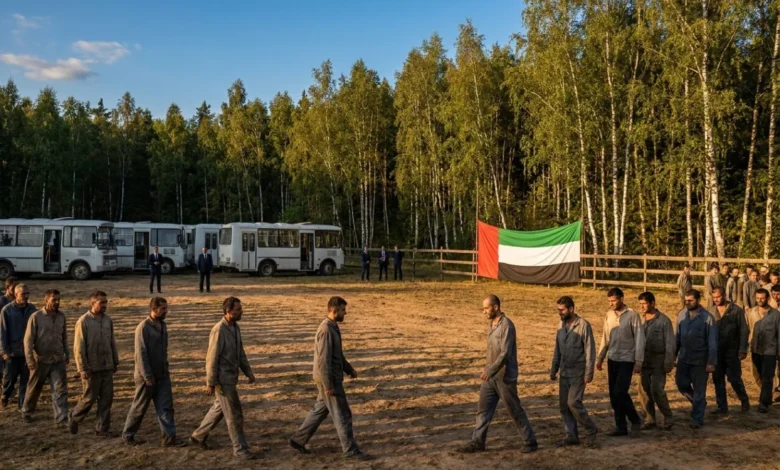
The ongoing conflict between Russia and Ukraine saw a significant diplomatic development on Friday, October 23, as the two nations executed a large-scale prisoner-of-war exchange. According to an official statement released by the Russian Ministry of Defense, both sides facilitated the return of 270 personnel in a reciprocal 270-for-270 swap. This event marks one of the most substantial prisoner movements in recent months, highlighting the persistent, albeit intermittent, channels of communication that remain open between Moscow and Kyiv despite the intense kinetic warfare continuing along the front lines.
While the Russian Ministry of Defense served as the primary source for the figures reported, the complexity of these logistics suggests a high level of coordination, likely involving third-party facilitation. As is standard practice in the highly sensitive domain of prisoner exchanges, details regarding the identities, military units, and exact locations of the returned personnel remain largely classified to protect the privacy and security of the individuals involved.
The Logistics of Return: The Belarus Transit Corridor
The procedural framework for this exchange mirrors the methodology observed in previous, smaller-scale swaps. The Russian Defense Ministry confirmed that the Russian servicemen involved in the October 23 transfer were initially moved to Belarus. This neutral territory serves as a critical processing hub where returnees receive immediate psychological evaluations, medical stabilization, and necessary administrative documentation.
Yana Lantratova, a prominent figure in the Russian human rights oversight apparatus, has been instrumental in overseeing these processing sequences. In past exchanges, including the June 26 swap of 160 personnel per side, Lantratova’s team ensured that those returning from captivity were provided with comprehensive care before being repatriated to Russia for long-term rehabilitation. This "transit-to-treatment" model is designed to mitigate the physical and mental toll of long-term detention, ensuring that soldiers can transition back to civilian life or military service—if they so choose—after thorough vetting and recovery.
The status of the 270 Ukrainian prisoners remains less detailed in Russian accounts, though reports from Ukrainian leadership, including President Volodymyr Zelenskyy, suggest that the cohort includes a mix of military personnel and civilians. The distinction between combatants and non-combatants is a frequent point of negotiation, with the Ukrainian government often prioritizing the return of soldiers captured during high-intensity battles, while also pushing for the release of civilians caught in the crossfire of the occupation.
The Role of the United Arab Emirates as Mediator
A notable element of this exchange is the continued involvement of the United Arab Emirates (UAE) as a diplomatic intermediary. The UAE has increasingly positioned itself as a neutral broker in the Russia-Ukraine conflict, leveraging its diplomatic reach to facilitate humanitarian gestures that the warring parties might find difficult to negotiate directly.
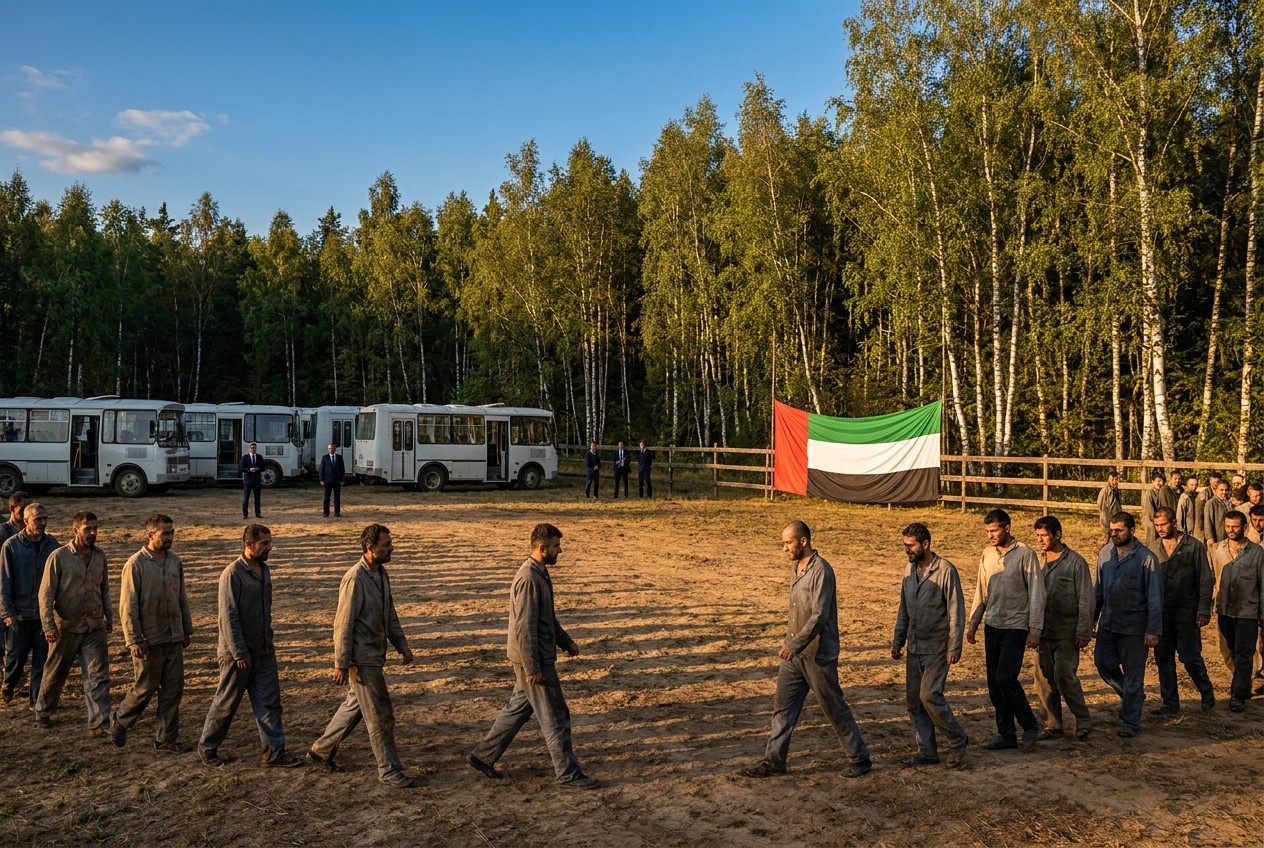
In the October 23 exchange, as with the June 26 operation, the UAE’s influence was cited as a key catalyst. By maintaining open lines of communication with both the Kremlin and the Presidential Office in Kyiv, Emirati officials have successfully fostered a framework of "neutrality-driven diplomacy." This role is critical; direct negotiations between Moscow and Kyiv are currently non-existent regarding political settlements, making the prisoner exchange channel one of the few functional bridges between the two capitals. Analysts suggest that the UAE’s mediation helps depoliticize the logistics of these swaps, allowing both sides to claim a humanitarian victory without appearing to concede ground on broader strategic objectives.
Chronology of Recent Prisoner Exchanges
To understand the scale of the October 23 swap, it is necessary to view it within the context of a broader, albeit fluctuating, series of exchanges throughout 2026. The pace of these operations has been uneven, often dictated by the intensity of fighting on the ground and the willingness of either side to engage in lists-based negotiations.
- August 19, 2026: Russia and Ukraine completed a 103-for-103 prisoner swap. This event was notable for its adherence to the same Belarus-based processing model utilized in the October exchange. Russian reports at the time emphasized that the returned servicemen were in good condition and receiving state-funded rehabilitation.
- June 26, 2026: A 160-for-160 swap occurred, which also utilized the UAE as a mediator. This exchange was widely viewed as a test of the diplomatic efficacy of the Emirati-led mediation track.
- Ongoing Stagnation: Between these major events, there have been long periods where negotiations stalled. Yana Lantratova has previously accused Ukrainian authorities of creating administrative bottlenecks by refusing to verify lists of their own citizens prepared for repatriation. Conversely, Kyiv has frequently accused Moscow of stalling exchanges to use the prisoners as political leverage or to demoralize the Ukrainian populace.
Analyzing the Human Rights Dimension
The involvement of human rights commissioners like Lantratova underscores the international legal sensitivity of these exchanges. Under the Geneva Convention, prisoners of war are entitled to humane treatment, and the systematic exchange of these individuals is considered a best practice in conflict resolution.
However, the process is rarely smooth. Moscow has frequently claimed that it is prepared to release large numbers of Ukrainian nationals—including those from contested regions like Donbass and Crimea—but that the exchange process is hampered by Kyiv’s domestic political requirements. From the Ukrainian perspective, the priority remains the return of the "defenders of Azovstal" and other high-profile military units, which often leads to disputes over the composition of the exchange lists. The 270-for-270 figure suggests a rare moment of alignment where both sides found enough parity in their respective lists to proceed with a bulk transfer.
Strategic Implications and Future Outlook
The frequency and scale of these exchanges provide a window into the "hidden" side of the war. While the front lines remain static or shift in incremental, bloody battles, the prisoner exchange program represents a functional bureaucratic layer that persists despite the lack of a formal ceasefire.
- Domestic Pressure: For President Zelenskyy, returning soldiers is a top domestic priority. Each successful swap provides a boost in public morale and demonstrates that the government is actively working to bring its people home. For the Kremlin, these exchanges are used to demonstrate that the state cares for its military personnel, a crucial narrative for maintaining domestic support for the "Special Military Operation."
- The "Mediation" Market: The reliance on the UAE indicates that third-party states are finding their own strategic value in mediating this conflict. By providing a neutral venue for these exchanges, countries like the UAE enhance their international standing as global peace brokers, potentially gaining leverage in other areas of international relations.
- Potential for Broader Dialogue: While prisoner swaps rarely lead to a direct cessation of hostilities, they establish a precedent for professional, technical cooperation. Military and intelligence officers from both sides must communicate to ensure the safe passage of prisoners, creating a "technical dialogue" that is essential should the two sides ever reach a stage of formal armistice negotiations.
Conclusion
The 270-for-270 prisoner exchange on October 23 is a significant event, not only for the 540 individuals directly impacted but for the signal it sends regarding the management of the conflict. By continuing to utilize the UAE as a mediator and maintaining a consistent, if complex, processing pipeline through Belarus, Russia and Ukraine have demonstrated that they remain willing to engage in humanitarian cooperation when it serves their respective strategic interests.
As the conflict continues to evolve, the ability of both nations to compartmentalize these exchanges from the broader military confrontation remains a critical component of the war’s overall dynamic. Whether these swaps will lead to a more sustained diplomatic engagement remains to be seen, but for now, they serve as a rare, tangible manifestation of managed de-escalation in a conflict defined primarily by its intensity and lack of political resolution. Moving forward, observers will be watching to see if this exchange provides the momentum for further humanitarian gestures, such as the exchange of the remains of fallen soldiers or the release of civilians held in detention, which remain significant points of contention between Moscow and Kyiv.
Related posts: