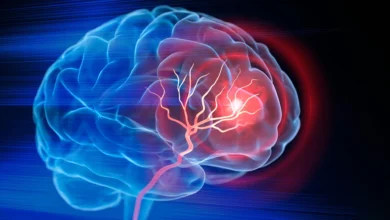
Eating for Cognitive Preservation: How the MIND Diet May Help Slow Brain Aging and Protect Against Neurodegeneration

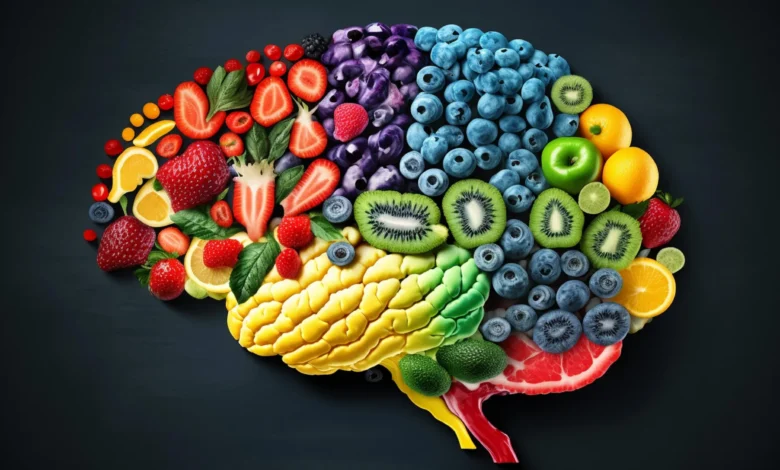
As global populations age, public health research increasingly focuses on lifestyle interventions capable of mitigating cognitive decline and preserving neurological health. Among the most promising nutritional frameworks gaining traction in the scientific community is the MIND diet—a hybrid eating pattern blending elements of the Mediterranean diet with the Dietary Approaches to Stop Hypertension (DASH) protocol. According to a comprehensive study published online in the Journal of Neurology Neurosurgery & Psychiatry, greater adherence to this specialized diet is significantly linked to a slowing of structural changes that naturally occur in the brain during the aging process.
The observational study, which tracked nearly 1,700 middle-aged and older adults over an average span of 12 years, provides compelling new evidence connecting specific nutritional habits to preserved brain tissue volume. Specifically, researchers observed that individuals who closely followed the MIND diet experienced less loss of grey matter—a critical component of the central nervous system responsible for memory, learning, decision-making, and information processing. Furthermore, participants with higher dietary scores exhibited less enlargement of the brain’s ventricles, which are fluid-filled cavities that typically expand as surrounding brain tissue shrinks due to aging or neurodegenerative pathology.
Defining the MIND Diet: Nutritional Components and Neuroprotective Mechanisms
The Mediterranean-Dietary Approaches to Stop Hypertension Diet Intervention for Neurodegenerative Delay (MIND) diet was originally developed by nutritional epidemiologists at Rush University Medical Center to specifically target cognitive decline. Unlike broader dietary frameworks, the MIND diet emphasizes specific food groups rich in bioactive compounds, antioxidants, and anti-inflammatory agents that have established neuroprotective properties.
The dietary pattern explicitly prioritizes green leafy vegetables, other vegetables, berries, nuts, whole grains, fish, beans, olive oil, and poultry, alongside moderate consumption of wine. Conversely, it advises strict limitation of butter, margarine, cheese, red meat, pastries, sweets, and fried or fast foods.
Previous scientific investigations have consistently associated the MIND diet with enhanced cognitive function, lower rates of cognitive impairment, and a reduced risk of developing Alzheimer’s disease. However, prior to this latest publication, its direct relationship with structural brain changes—such as volumetric shifts in grey matter, white matter, and ventricular spaces—remained less clearly defined. These structural transformations are clinical hallmarks of neurodegenerative conditions, underscoring the necessity of understanding how dietary habits influence brain morphology over time.
Methodology and Chronology of the Long-Term Brain Imaging Study
To investigate the association between the MIND diet and structural brain aging, researchers utilized data from the prestigious Framingham Heart Study Offspring cohort (FOS). The study encompassed 1,647 participants who were, on average, 60 years old at baseline.
The chronology of data collection spanned decades, establishing a robust framework for longitudinal analysis. Participants underwent regular, comprehensive health evaluations every four to eight years. Beginning in 1999, the protocol expanded to include serial magnetic resonance imaging (MRI) brain scans conducted every two to six years through 2019.
Dietary intake was systematically assessed using at least one comprehensive food frequency questionnaire (FFQ) completed by participants during routine checkups across three distinct historical windows: 1991–1995, 1995–1998, and 1998–2001. To ensure baseline homogeneity and eliminate confounding variables, researchers confirmed that every participant included in the final analysis had undergone at least two brain MRI assessments between 1999 and 2019 and exhibited no clinical evidence of stroke or dementia at the time of their initial baseline MRI scan.
Quantifying the Impact: Slower Grey Matter Loss and Ventricular Expansion
Across the 12-year average follow-up period, serial MRI scans captured the expected age-related structural alterations across the entire study cohort. These natural trajectories included volumetric decreases in total brain tissue, grey matter, white matter, and the hippocampus. Simultaneously, cerebrospinal fluid volumes, ventricular dimensions, and white matter hyperintensities—bright spots on MRI scans often signaling localized tissue damage or small vessel disease—increased as expected.
Despite these generalized trends, adherence to the MIND diet altered the trajectory of structural decline. The average baseline MIND diet score for the cohort was just under 7 out of a possible maximum score of 15, where 15 denoted the highest level of adherence.
Statistical modeling revealed that higher MIND scores were inversely related to grey matter loss. Specifically, each three-point increase in a participant’s MIND diet score was associated with a slower grey matter loss of 0.279 cubic centimeters per year. According to the study authors, this numerical reduction corresponds to roughly 20 percent less age-related structural decline, effectively equating to a delay in brain aging of approximately 2.5 years.
A parallel protective pattern emerged concerning ventricular enlargement. Each three-point rise in the MIND score was associated with slower expansion of total ventricular volume by 0.071 cubic centimeters per year. This attenuation represented approximately 8 percent less tissue loss, translating to roughly one year of delayed brain aging.
Demographic Correlates of High MIND Adherence
A secondary analysis of the cohort characteristics revealed distinct demographic and behavioral profiles among individuals in the highest third of MIND diet adherence. These participants were statistically more likely to be women and to have achieved a college education. Furthermore, they demonstrated lower baseline rates of cigarette smoking and obesity.
High adherence was also correlated with a reduced prevalence of systemic health conditions known to negatively impact cerebral circulation and neurocognitive health, including type 2 diabetes mellitus, hypertension, and cardiovascular disease. These correlations highlight the intricate interplay between systemic vascular health and central nervous system preservation, suggesting that a diet optimized for blood pressure and cardiovascular function confers dual systemic and neurological benefits.
Detailed Breakdown: Standout Foods and Counterintuitive Findings
While the overall dietary score provided a reliable metric for neuroprotection, individual food groups contributed unequally to the observed outcomes. Researchers highlighted that higher consumption of berries was strongly linked to slower increases in ventricular volume. Similarly, regular poultry intake correlated with both slower ventricular enlargement and reduced rates of grey matter decline.
Conversely, dietary components targeted for restriction by the MIND guidelines showed detrimental associations. Higher intake of sweets was directly associated with accelerated ventricular enlargement and greater hippocampal atrophy. Fried and fast foods were similarly linked to pronounced declines in hippocampal volume.
Principal investigators proposed clear mechanistic pathways for these observations: "MIND-recommended foods rich in antioxidants, such as berries, and high-quality protein sources like poultry may reduce oxidative stress and mitigate neuronal damage. Conversely, fried fast foods, often high in unhealthy fats, trans fats, and advanced glycation end-products, may contribute to inflammation and vascular damage."
Nevertheless, the data yielded certain unexpected outcomes that diverged from conventional dietary hypotheses. Greater whole grain intake was unexpectedly associated with several unfavorable structural changes, including faster losses of grey matter and hippocampal volume, alongside accelerated ventricular enlargement. In direct contrast, higher cheese consumption exhibited an inverse relationship, appearing alongside slower declines in grey matter and hippocampal volume, less ventricular enlargement, and a lower burden of white matter hyperintensities. These anomalies emphasize the complex biochemical interactions within complex dietary matrices and underscore the necessity for continued nutritional research.
Amplified Benefits Among Older Adults and Physically Active Populations
The protective associations identified in the study remained robust across numerous sensitivity analyses and were notably pronounced among older participants within the cohort. Researchers hypothesized that this age-related amplification indicates that the MIND diet may hold particular therapeutic or preventive value for individuals facing elevated baseline risks of accelerated brain aging, or those exhibiting higher baseline variability in the progression of cerebral atrophy.
Furthermore, stronger neuroprotective associations were documented among participants who maintained high levels of physical activity and those who avoided being overweight or obese. This synergistic trend suggests that combining a brain-healthy nutritional regimen with other foundational lifestyle modifications—such as routine aerobic exercise and weight management—may substantially lower the long-term risk of neurodegenerative diseases.
Methodological Limitations and Cautions Regarding Causality
Despite the robust sample size and prolonged follow-up period, the research team emphasized several important methodological limitations inherent to observational epidemiology. Most notably, because the study is observational, it cannot establish definitive cause-and-effect relationships between the MIND diet and the observed rates of structural brain preservation.
Additionally, dietary habits were evaluated using food frequency questionnaires, which inherently rely upon participant memory and recall accuracy, introducing the potential for recall bias. Researchers were also unable to entirely rule out the presence of mild cognitive impairment at the time of initial MRI scans, unmeasured shifts in dietary habits over the decades of follow-up, or the confounding influence of unanalyzed genetic risk factors, such as the APOE ε4 allele associated with Alzheimer’s disease.
Finally, the demographic composition of the Framingham Heart Study Offspring cohort is predominantly White, meaning these findings may not be directly generalizable to diverse populations from different ethnic and racial backgrounds.
Broader Public Health Implications and Future Directions
The implications of these findings extend into clinical neurology, dietary counseling, and public health policy. As healthcare systems globally confront rising incidences of age-related cognitive impairment, identifying scalable, non-pharmacological interventions remains paramount.
While acknowledging the study’s limitations, the research team concluded that the data reinforce the viability of the MIND diet as a clinically relevant, brain-healthy dietary pattern. The findings offer strong empirical support for integrating targeted nutritional guidelines into broader public health strategies designed to slow neurodegeneration and promote healthy cognitive aging across aging populations. Future research initiatives will likely focus on randomized controlled trials and more ethnically diverse cohorts to confirm these structural brain preservation effects and establish definitive causal pathways.