New Genetic Insights Into Pancreatic Cancer Evolution Reveal Pathways to Overcoming Treatment Resistance and Aggressive Metastasis

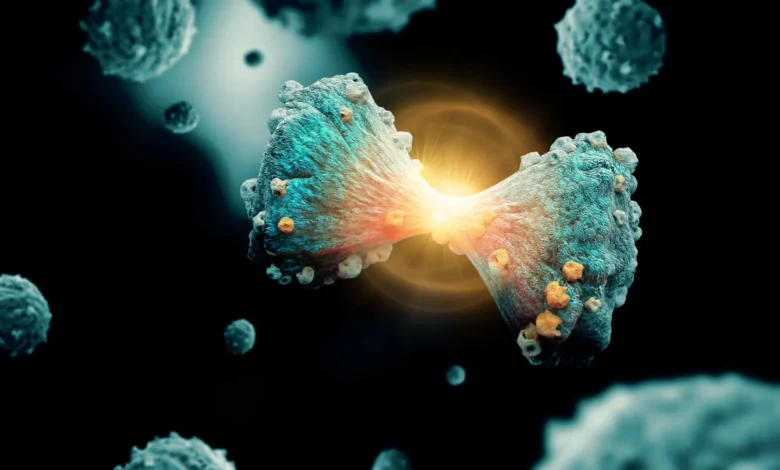
Pancreatic ductal adenocarcinoma (PDAC) has long been categorized as one of the most lethal malignancies in modern oncology, characterized by a grim five-year survival rate of approximately 15 percent. Because of its notoriously dense, fibrous environment and its innate ability to adapt to therapeutic interventions, it has historically remained difficult to treat. However, a landmark study published on October 13 in the journal Nature Genetics has fundamentally shifted the scientific understanding of how this disease functions. By deploying high-resolution, single-cell analysis on nearly half a million individual cells, researchers at NYU Langone Health’s Perlmutter Cancer Center have mapped the internal "evolutionary tree" of pancreatic tumors, identifying the specific genetic mechanisms that allow the cancer to shift its identity, evade the immune system, and develop resistance to chemotherapy.
Mapping the Cellular Landscape
The research team, led by Dr. Despoina Kalfakakou and Dr. Aristotelis Tsirigos, moved away from the traditional method of bulk sequencing, which aggregates millions of cells into a single average profile. Instead, the team utilized advanced transcriptomics to analyze 443,451 individual cells harvested from 62 tumors across 56 patients. This granular approach allowed the scientists to see what was previously obscured: that a single pancreatic tumor is not a monolithic mass of identical cells, but rather a chaotic ecosystem of distinct "clones."
Each of these clones—populations of cells with shared genetic signatures—exhibits unique behaviors. While some clones prioritize rapid proliferation, others are specialized for infiltrating surrounding tissues or shielding themselves from chemotherapy. The findings reveal that tumors are dynamic, with cells capable of shifting between "classical" states (less aggressive) and "basal" states (highly aggressive and resistant to therapy). This plasticity explains why therapies that work initially often fail as the tumor "reprograms" itself to survive.
The MYC Connection: A Lever for Reversal
One of the most significant breakthroughs in the study involves the identification of the MYC gene as a master regulator of tumor aggression. In laboratory models, researchers observed that the MYC gene was hyper-activated in the most dangerous basal-like cell populations. When the team inhibited the activity of MYC, the tumor cells underwent a remarkable transition: they reverted from their aggressive, basal state back into a more manageable, classical state.
This phenotypic reversal holds profound therapeutic potential. Not only did the cells become less invasive, but the transition also rendered them more susceptible to immune system recognition. By "resetting" the cancer’s genetic state, researchers may be able to turn a treatment-resistant tumor into one that is receptive to existing immunotherapies. This discovery provides a clear target for drug development, with clinical trials already evaluating inhibitors that could potentially neutralize the influence of MYC in human patients.
Immune Evasion and the Failure of Immunotherapy
The study also provides critical clarity on why current immunotherapies—which have revolutionized treatment for cancers like melanoma and lung cancer—have largely failed to gain traction against PDAC. The investigators discovered a complex interplay between two genes: TIGIT and PD1.
Many existing immunotherapies are designed to target the PD1 pathway to "unmask" cancer cells to the immune system. However, the study found that in many pancreatic cancer clones, the PD1 gene is downregulated, while the TIGIT gene is significantly overexpressed. This genetic "switch" effectively renders PD1-targeted drugs useless, as the cancer has simply shifted its reliance to a different immune-suppression mechanism. This finding explains the clinical reality of why PDAC patients rarely respond to standard checkpoint inhibitors. By identifying TIGIT as a primary driver of immune evasion, the study paves the way for combination therapies that could block both pathways simultaneously, denying the tumor its ability to hide from the body’s natural defenses.
Clinical Context and Methodology
The study’s design was uniquely rigorous, incorporating longitudinal samples from six patients who provided tumor tissue both before and after chemotherapy. This allowed the researchers to watch the tumor’s evolution in real-time, observing how chemotherapy acted as a selective pressure. Rather than killing all the cancer cells, the treatment frequently eliminated the "classical" cells while leaving behind the more resilient "basal" clones. These surviving cells then repopulated the tumor, leading to the rapid progression often seen in clinical settings.
The patient cohort, consisting of both men and women, provided a representative look at the disease’s complexity. The identification of two to 11 distinct clones per tumor underscores the extreme intratumoral heterogeneity that clinicians face when prescribing a "one-size-fits-all" chemotherapy regimen. The results suggest that future oncology must move toward precision medicine models that account for the specific clonal makeup of an individual’s tumor, rather than treating all pancreatic ductal adenocarcinomas as a uniform entity.
Official Responses and Future Directions
"Our study provides the most granular view to date of pancreatic ductal adenocarcinoma, revealing how ongoing genetic reshaping drives tumor evolution over the course of disease," said Dr. Kalfakakou. Her sentiment was echoed by the study’s co-senior investigator, Dr. Aristotelis Tsirigos, who emphasized the broader implications for the field of oncology. "Our research suggests that single-cell clonal analysis offers a better approach to understanding complex cancers by mapping how tumors evolve and adapt at each stage of disease progression."
Dr. Tsirigos noted that the implications of the study extend beyond just one type of cancer. "More broadly, our study results highlight the critical role of clonal diversity, genetic plasticity, and interactions with the tumor’s microenvironment in shaping human biology," he stated. While the findings represent a major leap forward, the researchers remain cautious, noting that translating these laboratory discoveries into clinical standards will require extensive, large-scale clinical trials.
The Broader Impact on Oncology
The data generated by this study—funded by the Sky Foundation and the National Institutes of Health—serves as a blueprint for future research into "genomic plasticity." By proving that cancer cells are not static, but rather fluid entities that react to their environment, the study demands a change in how oncologists approach treatment. If a tumor can be forced to revert to a less aggressive state, or if its immune-evasion tactics can be neutralized, the prognosis for pancreatic cancer patients could improve drastically.
The inclusion of a diverse team of researchers from NYU Langone Health, Oregon Health and Science University, and the University of California San Diego underscores the collaborative nature of this breakthrough. As the scientific community continues to digest these findings, the focus will likely shift to the development of "evolutionary-informed" therapies—drugs that do not just aim to kill cancer, but aim to trap it in a vulnerable genetic state, preventing it from adapting to the patient’s clinical course.
Looking Ahead
While pancreatic cancer remains a formidable opponent, the work of Dr. Kalfakakou and her colleagues has illuminated the "dark matter" of the disease. By decoding the genetic mechanisms behind metastasis and drug resistance, the study offers a tangible path forward for drug discovery. As clinical trials investigating MYC and TIGIT inhibitors gain momentum, the hope is that these laboratory insights will eventually transition into bedside reality, offering patients new options in a field that has seen far too few breakthroughs over the last several decades. The era of treating pancreatic cancer as a singular, unchanging target is likely drawing to a close, replaced by an era that recognizes the tumor for what it truly is: a complex, evolving, and ultimately vulnerable biological system.