The Biological Power of Gratitude: How Mindset Shapes Longevity and Cellular Health According to New Scientific Discoveries


The conversation surrounding human longevity has long centered on quantifiable physiological metrics: maintaining a balanced nutritional intake, adhering to rigorous cardiovascular and strength-training regimens, securing restorative sleep hygiene, and eliminating detrimental habits such as tobacco use. While these foundational lifestyle pillars remain critical to extending healthspan—the period of life spent in good health—emerging research from leading biomedical institutions points to a profound yet historically overlooked factor influencing human lifespan: psychological mindset. Specifically, scientists are increasingly recognizing gratitude not merely as a social convention, but as a robust physiological catalyst capable of modulating systemic inflammation, cardiovascular health, and cellular aging.
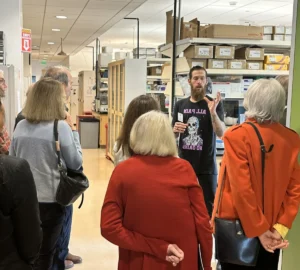
Dr. Eric Verdin, President and CEO of the Buck Institute for Research on Aging, has highlighted the expanding body of empirical data connecting emotional regulation to biological preservation. Far from being a passive emotion or a polite linguistic habit, active gratitude involves a deliberate cognitive framework that acknowledges positive stimuli ranging from major life milestones to minor daily occurrences. Recent epidemiological and clinical investigations suggest that cultivating this mindset yields measurable, systemic benefits that actively counteract the physiological mechanisms of aging.
Empirical Evidence: Mortality Rates and Cardiovascular Health
The scientific validation of gratitude has transitioned from psychological observation to hard biochemical data over the past decade. A landmark epidemiological study published in 2024 by researchers across Harvard T.H. Chan School of Public Health and the University of California, San Diego, provided some of the most compelling evidence to date regarding the direct link between gratitude and longevity.
The investigative team tracked nearly 49,000 older women over a multi-year period, assessing their psychological traits through standardized gratitude metrics. The findings revealed a statistically significant correlation: participants who scored in the highest tiers for gratitude exhibited approximately a 9 percent reduction in all-cause mortality during the study window compared to those in lower tiers. Furthermore, this subset demonstrated a notably decreased incidence of fatal and non-fatal cardiovascular events, establishing a clear link between emotional outlook and systemic circulatory health.
This research builds upon earlier clinical observations. A 2016 study examining individuals who maintained consistent gratitude journals documented marked improvements in cardiovascular function. Participants engaging in regular gratitude practices exhibited lower resting blood pressure, more resilient and healthier heart rhythms, and significantly reduced circulating markers of systemic inflammation. Within the field of biogerontology, chronic, low-grade systemic inflammation—frequently referred to as "inflammaging"—is recognized as a primary driver of biological aging and a major contributor to age-related pathologies, including oncogenesis and neurodegenerative conditions such as Alzheimer’s disease. By mitigating inflammatory pathways, regular psychological reframing may alter the trajectory of cellular degradation.
Chronology of Psychological and Physiological Discoveries
The intersection of gratitude and physical health has evolved through distinct phases over the past twenty years, moving from subjective psychological reporting to objective biomarker analysis.
- Early 2000s: Pioneers in positive psychology, such as Dr. Robert Emmons of the University of California, Davis, began publishing foundational research isolating the emotional benefits of gratitude. Early studies demonstrated that intentional gratitude interventions reduced toxic emotional states, including envy, resentment, and depressive symptoms, while enhancing subjective well-being.
- Mid-to-Late 2000s: Researchers expanded investigations into physiological markers. A 2009 study published in the Journal of Psychosomatic Research established a direct correlation between gratitude and sleep architecture. Investigators found that individuals possessing high dispositional gratitude fell asleep more rapidly, maintained longer sleep durations, and reported higher subjective sleep quality upon waking—mechanisms vital for cellular repair and metabolic regulation.
- 2010s: The publication of landmark studies in behavioral journals, including a 2011 paper in the journal Emotion, quantified the social mechanisms driven by gratitude. Researchers demonstrated that expressing and receiving gratitude significantly strengthened interpersonal bonds and social support networks, which epidemiological studies have long correlated with reduced morbidity and extended lifespan. Simultaneously, clinical trials began linking gratitude journals to measurable reductions in inflammatory cytokines.
- 2020s: The field reached a critical mass with large-scale epidemiological investigations, culminating in the 2024 Harvard and UC San Diego study involving tens of thousands of older adults. These contemporary studies shifted the focus from short-term mood enhancement to long-term survival analysis, providing definitive actuarial data linking psychological outlook to all-cause mortality reduction.
Neuroendocrine Mechanisms: Stress, Cortisol, and the Autonomic Nervous System
To understand why a subjective mental state can influence objective biological survival, researchers point to the human neuroendocrine system, specifically the body’s reaction to chronic psychological stress.

In modern environments, constant psychosocial stressors trigger the hypothalamic-pituitary-adrenal (HPA) axis, flooding the circulatory system with elevated levels of cortisol and epinephrine (adrenaline). While acute activation of this stress response is vital for immediate survival, chronic, unmitigated HPA-axis activation accelerates biological aging. Sustained high cortisol levels contribute to hypertension, endothelial dysfunction, visceral adiposity, immune system suppression, and accelerated telomere shortening—the protective caps at the ends of chromosomes that degrade with cellular division.
Gratitude acts as a powerful neurobiological counterweight to this cascade. By compelling the brain to consciously scan for and process positive environmental cues, gratitude interrupts the cycle of rumination and hyper-vigilance. Neurologically, this shift engages the prefrontal cortex to down-regulate activity in the amygdala, the brain’s emotional processing center responsible for initiating the fight-or-flight response.
Consequently, practicing gratitude stimulates the parasympathetic nervous system—the "rest and digest" operational mode. This activation reduces circulating cortisol, stabilizes heart rate variability, and curtails the systemic release of inflammatory signaling molecules. Dr. Verdin emphasizes that this dynamic illustrates "biochemistry in action," demonstrating that abstract cognitive processes translate directly into tangible biochemical environments that favor tissue repair, immune competence, and cellular resilience.
Broader Implications for Healthcare and Preventive Medicine
The scientific validation of gratitude arrives at a critical juncture for global healthcare systems. As populations age rapidly, the prevalence of chronic, lifestyle-driven diseases places unprecedented economic and operational strains on medical infrastructure. Traditional biomedical interventions heavily prioritize high-tech pharmacological treatments, genetic sequencing, and personalized medicine. While these advancements are indispensable, the sheer cost and accessibility barriers associated with modern therapeutics underscore the necessity of complementing them with accessible, low-cost preventive strategies.
Gratitude interventions require no specialized medical equipment, incur zero financial cost, carry no adverse pharmacological side effects, and can be administered universally regardless of socioeconomic status or geographic location. Public health experts note that integrating behavioral health practices—such as structured gratitude reflection, cognitive reframing, and community-building initiatives—into routine primary care could serve as a valuable upstream deterrent against the onset of chronic stress-induced morbidities.
Furthermore, these findings reinforce historical philosophical insights that modern science is only recently quantifying. Ancient traditions, including Stoic philosophy, frequently emphasized the deliberate cultivation of thankfulness. As the Roman emperor and philosopher Marcus Aurelius wrote in his private journals, recognizing and giving thanks for one’s existence each morning acts as a strengthening agent for the human spirit, paralleling the physical benefits of exercise.
Future Directions in Longevity Research
As the Buck Institute and other premier research centers continue to map the hallmarks of aging—ranging from epigenetic alterations to cellular senescence—the interplay between psychosocial factors and molecular biology remains an active frontier. Future clinical trials are expected to further isolate the dosage and frequency of gratitude practices required to produce clinically significant shifts in inflammatory biomarkers and epigenetic clocks.
For individuals seeking to optimize their healthspan today, the prescription is remarkably straightforward. Whether through keeping a daily gratitude ledger, actively expressing appreciation within social networks, or consciously pausing to savor ordinary daily routines, the intentional redirection of attention offers profound physiological dividends. As empirical science continues to unravel the complex feedback loops between mind and body, it becomes increasingly clear that fostering a resilient and appreciative mindset is not merely a philosophical luxury, but a biological imperative for a longer, healthier life.