Beyond the Burn: Dissecting the Science of Modern Fitness Recovery Techniques

The sensation of a rigorous workout—the elevated heart rate, the deep sense of accomplishment—is frequently followed hours later by the arrival of delayed onset muscle soreness (DOMS). This localized discomfort, which typically peaks 24 to 72 hours after unaccustomed or strenuous exercise, can transform simple, everyday tasks into significant physical challenges. In the relentless pursuit of relief, everyday gym-goers are increasingly looking past traditional rest and hydration, instead adopting advanced recovery protocols once exclusively reserved for elite, professional athletes. Driven by the proliferation of social media fitness trends and the commercialization of sport science, a booming market has emerged around high-tech recovery modalities. Ice baths, specialized compression garments, therapeutic massages, and an array of specialized nutritional supplements are now staples of the modern fitness landscape.
While these products and practices consistently promise accelerated healing, minimized soreness, and enhanced athletic performance, a critical examination of the underlying science reveals a far more nuanced reality. The multi-billion-dollar wellness industry relies heavily on consumer desire for quick fixes, but exercise physiologists and sports medicine researchers continue to unpack the true physiological mechanisms behind these popular recovery interventions.
The Evolution and Commercialization of Recovery Culture
To understand the current obsession with fitness recovery, one must examine how the boundaries between professional sports science and the general public have dissolved over the past two decades. Historically, hyperbaric chambers, cryotherapy units, and specialized biometric monitoring were confined to Olympic training centers and wealthy professional sports franchises. However, the democratization of information through digital platforms has dismantled these barriers. Fitness influencers and lifestyle content creators regularly showcase elaborate post-workout rituals, catapulting niche interventions into mainstream consumer consciousness.
The global recovery market has expanded exponentially in response to this demand. Consumers are no longer satisfied with passive rest; they want active, measurable interventions that promise to bypass the body’s natural recovery timeline. This cultural shift has created a lucrative commercial ecosystem. Yet, sports scientists caution that the marketing narratives surrounding these products frequently outpace empirical validation. While many interventions offer subjective psychological relief or minor physiological changes, their ability to fundamentally alter muscle tissue repair and athletic performance is frequently overstated.
The Cryotherapy Debate: Balancing Inflammation and Adaptation
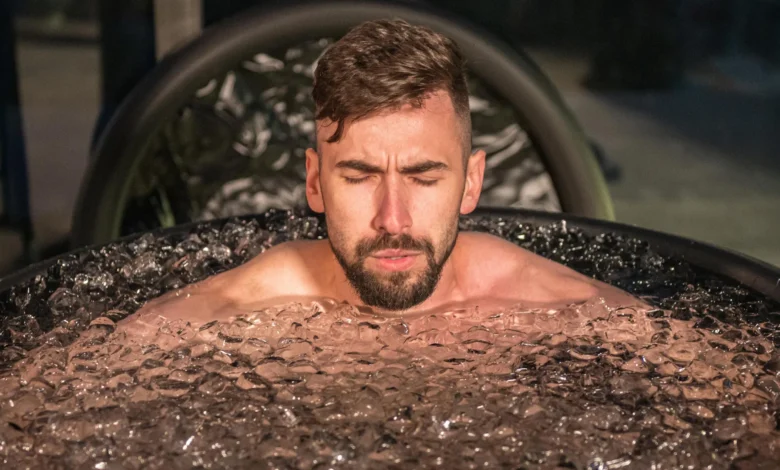
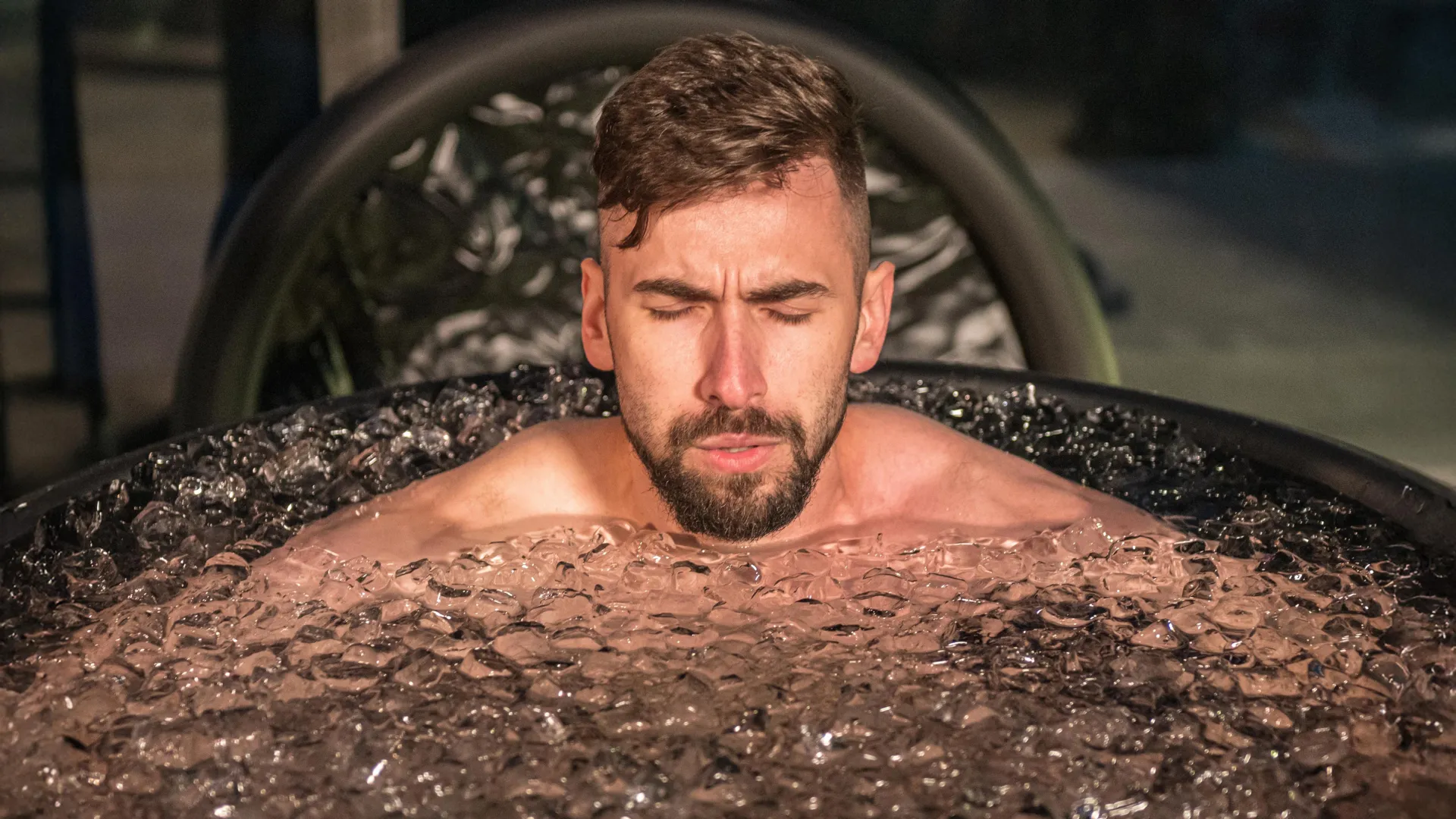
Few recovery strategies have captured public imagination quite like cold water immersion, commonly known as ice baths. This practice involves submerging the body in water maintained below 15 degrees Celsius for a designated duration immediately following strenuous physical activity. The primary appeal of the ice bath lies in its vasoconstrictive properties; the extreme cold causes blood vessels to constrict, reducing blood flow to the affected limbs and blunting acute inflammatory responses.
Clinical investigations into cold water immersion demonstrate mixed results. On one hand, evidence suggests that mitigating acute inflammation can successfully dampen localized pain signals, reducing muscle soreness and helping athletes partially recover functional capacity within a critical 24-hour window. This makes ice baths an attractive option for tournament scenarios or tightly packed athletic schedules where rapid turnaround is paramount.
However, a significant biological catch complicates this practice. The physiological inflammation that triggers post-exercise soreness is the exact signaling mechanism required to stimulate cellular adaptations, protein synthesis, and long-term muscle hypertrophy. When individuals regularly blunt this inflammatory response with routine ice bath sessions, they inadvertently inhibit the very molecular pathways responsible for building strength and endurance. Consequently, sports medicine experts advise a targeted approach: ice baths should be reserved for periods when rapid recovery is strictly necessary, rather than employed as a mindless post-workout habit that compromises long-term training gains.
Compression Garments: Physiological Reality Versus Perceived Benefit
Another ubiquitous sight in modern fitness environments is the compression garment—ranging from tight socks and calf sleeves to full-body suits worn during and long after exercise. Manufacturers claim that the graduated external pressure applied by these garments supports venous return, enhances localized blood circulation, and minimizes post-exercise edema and swelling.
While users frequently report an anecdotal decrease in heavy, fatigued feelings in their limbs, empirical evidence confirming that compression garments directly accelerate muscle tissue repair is less convincing. To isolate physiological effects from psychological placebo responses, researchers have conducted randomized trials utilizing sophisticated blinding methods. In a notable 2022 study, one cohort of participants received active compression garments, while a control group was provided with a placebo device and informed it possessed equivalent therapeutic properties.
The objective physiological data revealed that the active compression garments genuinely improved localized circulation and muscle blood flow, whereas the placebo intervention elicited no such changes. This confirmed that compression gear exerts a tangible, physiological influence on the vascular system that is independent of user expectation. However, the critical question remains whether these hemodynamic alterations translate into meaningful improvements in performance. Current clinical consensus indicates that while compression garments successfully alter specific recovery markers, they are unlikely to directly accelerate the restoration of baseline muscle function. Ultimately, their primary utility may lie in the psychological comfort and subjective well-being they afford the user.
Therapeutic Massage and the Science of Tissue Manipulation
In the hierarchy of recovery modalities, therapeutic massage stands out as one of the few interventions supported by relatively consistent scientific literature regarding its ability to alleviate subjective discomfort. Whether administered manually by a licensed professional or mechanically via percussion massage guns, soft tissue manipulation reliably reduces reported muscle soreness and enhances perceived recovery scores following strenuous exertion.
The precise biochemical mechanisms driving these benefits remain partially elusive, but researchers hypothesize that massage reduces localized muscle stiffness, mechanically stimulates circulation, and activates the parasympathetic nervous system, thereby promoting systemic relaxation. Despite these clear subjective advantages, objective evaluations of muscular function and athletic performance paint a more modest picture. Studies measuring force output, power production, and biochemical markers of muscle damage following a massage intervention often yield inconsistent results. Massage remains an effective tool for managing the physical discomfort of heavy training, but consumers should not mistake subjective relaxation for miraculous performance restoration.
The Supplement Spectrum: From Whole Foods to Multimillion-Dollar Powders
The nutrition supplement market represents one of the most commercially aggressive sectors of the fitness industry, saturated with brightly colored powders, pre-mixed drinks, and capsules promising miraculous recovery timelines. Yet, nutritional science demonstrates a vast discrepancy between heavily marketed hype and genuine physiological efficacy.
Whey protein remains one of the most extensively researched supplements in sports nutrition. As a complete protein naturally rich in essential amino acids, particularly branched-chain amino acids, whey stimulates muscle protein synthesis—the fundamental metabolic pathway required for tissue repair and growth. Clinical trials consistently indicate that whey protein provides small-to-moderate benefits for overall muscle recovery, though its direct impact on alleviating delayed onset muscle soreness is remarkably inconsistent.
Conversely, standalone branched-chain amino acid supplements, which typically isolate leucine, isoleucine, and valine, have faced growing scrutiny from sports dietitians. While marketing campaigns emphasize leucine’s role in initiating protein synthesis, BCAAs are demonstrably less effective for comprehensive muscle recovery than complete protein sources. Human muscle repair requires the presence of all essential amino acids simultaneously, a requirement that isolated BCAAs fail to meet. Whole food sources such as poultry, beef, fish, eggs, and plant-based alternatives like tofu inherently provide the full spectrum of essential amino acids required for optimal tissue regeneration.
Emerging nutritional interventions, such as tart cherry juice, have also garnered substantial scientific interest due to their high concentration of bioactive polyphenols. These plant compounds exhibit potent antioxidant and anti-inflammatory properties, prompting researchers to investigate their capacity to mitigate exercise-induced muscle damage. Current evidence suggests that consistent consumption of tart cherry juice yields small-to-moderate improvements in reducing post-workout soreness and potentially aids in the restoration of muscular strength and power parameters.
Similarly, omega-3 fatty acid supplements derived from fish oil are frequently championed for their anti-inflammatory capabilities. While targeted trials indicate modest reductions in muscle soreness and preserved neuromuscular function following strenuous bouts, broader consensus reveals considerable variability in individual responses. Crucially, nutritional epidemiologists emphasize that all of these beneficial micronutrients and macronutrients can be efficiently obtained through a balanced, whole-food diet. Furthermore, consuming nutrients via whole foods provides synergistic health benefits that isolated, highly processed supplements cannot replicate.
Implications and the Foundation of True Recovery
The proliferation of recovery technology and specialized supplementation reflects a profound cultural desire to engineer human biology, seeking shortcuts around the fundamental physiological demands of physical training. While interventions such as therapeutic massage, targeted cryotherapy, and specific nutritional aids can offer marginal gains and alleviate acute discomfort, the scientific literature resoundingly demonstrates that no commercial product can replace the foundational pillars of physical restoration.
Comprehensive reviews of sports science literature consistently point to the unglamorous basics as the true drivers of recovery: adequate, high-quality sleep, balanced nutritional intake centered on whole foods, proper daily hydration, and appropriately structured rest days that allow physiological adaptation to occur naturally. As the fitness industry continues to innovate and market novel recovery solutions, the primary takeaway for athletes and recreational gym-goers alike is clear: effective recovery is an organic biological process driven by consistent lifestyle habits, not a commodity that can be easily bottled and sold.