WHO Unveils SCORE for Health Data Technical Package to Revolutionize Global Health Information Systems and Strengthen Pandemic Response

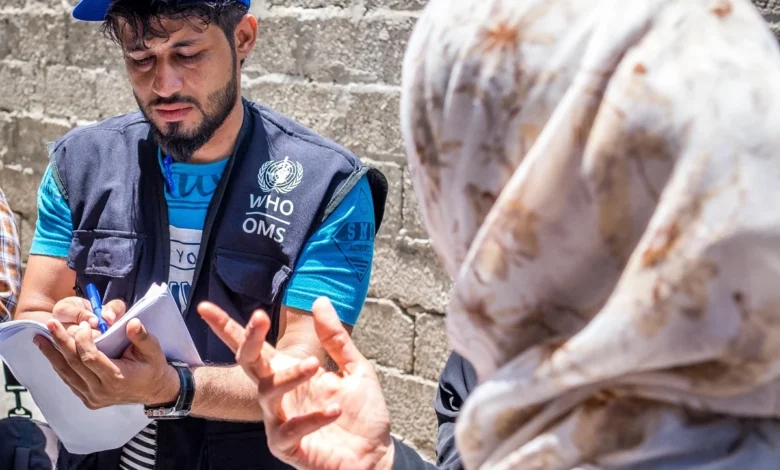
The World Health Organization (WHO) has officially introduced the SCORE for Health Data Technical Package, a comprehensive and harmonized initiative designed to revolutionize how nations collect, analyze, and utilize vital health information. Announced amid the ongoing COVID-19 pandemic, this groundbreaking toolkit addresses a critical vulnerability exposed by the global health crisis: the severe lack of robust health data infrastructure and analytical capacity in numerous countries. By providing governments with a unified set of over 90 universally accepted standards and tools, the initiative aims to bridge critical data gaps, optimize healthcare delivery, and ensure that scarce resources are deployed precisely where they are needed most.
The launch of the SCORE package marks a pivotal moment in international public health. As nations continue to grapple with multifaceted health emergencies, the imperative for timely, reliable, and disaggregated data has never been more urgent. Developed in close collaboration with partners such as the Bloomberg Philanthropies Data for Health Initiative, SCORE represents an unprecedented effort to institutionalize data-driven decision-making across developed and developing healthcare systems alike.
Background Context: The Data Deficit in Global Health
For decades, international health organizations have wrestled with systemic deficiencies in national health information systems. Many low- and middle-income countries have historically relied on fragmented, paper-based, or outdated methods for recording vital statistics, births, deaths, and disease incidence. These structural weaknesses frequently result in delayed reporting, inaccurate disease surveillance, and an inability to track long-term health trends accurately.
The limitations of these legacy systems became glaringly apparent with the emergence of SARS-CoV-2. As the virus swept across continents, public health officials required real-time data to track infection rates, forecast hospitalizations, allocate personal protective equipment (PPE), and manage vaccine rollouts. However, wide discrepancies in reporting standards and data collection capacities left many regions blind to the true scale of the crisis within their borders.
The WHO World Health Statistics reports consistently highlight these pervasive gaps, emphasizing that a significant percentage of global deaths—particularly in rural or economically disadvantaged regions—go unregistered or uncertified regarding specific causes of death. This lack of foundational data not only hampers immediate emergency responses but also undermines long-term planning for chronic diseases, maternal and child health, and the United Nations Sustainable Development Goals (SDGs).
Deconstructing the SCORE Technical Package
The acronym SCORE stands for Survey, Count, Optimize, Review, and Enable. This five-pillar framework is meticulously structured to cover every facet of health information system performance, ensuring that countries can build sustainable, self-sufficient data ecosystems.
Surveying Health and Population Status
The first pillar focuses on regular population-based surveys to track health risks, behaviors, and coverage of essential health services. By standardizing survey methodologies, countries can gather comparable data on non-communicable diseases, mental health, and nutritional status without continuously reinventing research protocols.
Counting Births, Deaths, and Causes
At the core of any functional health system is the ability to reliably count vital events. The second pillar prioritizes the strengthening of Civil Registration and Vital Statistics (CRVS) systems. Ensuring that every birth and death is officially registered, alongside medically certified causes of death, provides the foundational baseline required for epidemiological analysis.
Optimizing Health Service Data
The third pillar addresses data generated through routine service delivery, such as hospital admissions, outpatient visits, and immunization tracking. Optimizing these workflows ensures that facility-level data flows seamlessly into national databases, offering a continuous pulse on healthcare utilization and disease burdens.
Reviewing Progress and Performance
Data collection alone is insufficient without rigorous analysis. The fourth pillar equips health authorities with analytical tools to review data quality, synthesize findings, and evaluate the impact of public health interventions. This enables policymakers to pivot strategies dynamically based on empirical evidence rather than anecdotal assumptions.
Enabling Data Infrastructure and Governance
The final pillar focuses on the foundational enablers of health data systems: national policies, legal frameworks, financial investments, workforce training, and technological infrastructure. By establishing robust governance, countries can protect health data privacy while ensuring interoperability across different administrative tiers.
Chronology of the Initiative
The development and rollout of the SCORE Technical Package follow a deliberate trajectory shaped by lessons learned during the early phases of the global pandemic.
In early 2020, as COVID-19 overwhelmed advanced and fragile health systems alike, WHO leadership recognized that disparate data collection methodologies were severely hampering international coordination. Subsequent evaluations, including findings published in the World Health Statistics 2020 report, cataloged the widespread deficiencies in global health data reporting.
Throughout late 2020 and 2021, WHO collaborated with global statisticians, epidemiologists, and technical experts to consolidate existing fragmented guidelines into a single, cohesive framework. This culminated in the official announcement and initial release of the SCORE Technical Package.
Subsequent components slated for release later in the year include the comprehensive SCORE Assessment Instrument alongside global, regional, and national status reports. These follow-up releases are designed to provide granular baselines against which countries can measure their progress toward national priorities and global targets, including the WHO Triple Billion goals.
Statements and Official Reactions
Global health leaders have overwhelmingly endorsed the initiative, emphasizing its dual role as a pragmatic toolkit and a moral imperative for equitable health development.
WHO Director-General Dr. Tedros Adhanom Ghebreyesus underscored the fundamental philosophy driving the initiative during the launch announcement. "Countries must be able to measure progress to make progress," Dr. Tedros stated. "Particularly during COVID-19, reliable data is the best way to coordinate response efforts and improve health in all areas."
Echoing these sentiments, Dr. Samira Asma, Assistant Director-General for Data, Analytics and Delivery for Impact at WHO, stressed the urgency of immediate financial and structural investment. "We must keep score to save lives," Dr. Asma asserted. "WHO is committed to working with countries and partners to rapidly scale up capacity for data collection and use in order to improve policy and performance. We must act now to invest in statistical systems in countries, respond to this pandemic and meet the SDGs and the Triple Billion targets. Our window of opportunity is closing, and we cannot wait to address data gaps. Data use to address country needs has to be a priority today."
The private and philanthropic sectors have also played a crucial catalytic role in bringing the package to fruition. Dr. Kelly Henning, Director of Public Health Programs at Bloomberg Philanthropies, highlighted the practical value of the collaboration. "Using data to inform public health priorities and strategies has never been more important," Dr. Henning noted. "The SCORE Technical Package provides country governments around the world with high-quality, essential technical guidance so that countries can strengthen their own data systems."
Analysis of Implications and Future Outlook
The long-term implications of the SCORE Technical Package extend far beyond the management of the current coronavirus pandemic. By institutionalizing standardized data collection and analytical methodologies, the initiative holds the potential to permanently elevate the operational maturity of global public health infrastructure.
Economically, better data enables ministries of finance and health to optimize resource allocation. In environments marked by chronic fiscal constraints, empirical evidence ensures that funding is directed toward high-impact interventions rather than distributed inefficiently across redundant programs. This optimization is critical for achieving universal health coverage (UHC) and maximizing the return on domestic and international health investments.
Socially and politically, disaggregated data empowers marginalized and vulnerable populations by making their health outcomes visible to policymakers. When health statistics are broken down by age, gender, geography, and socioeconomic status, governments can identify systemic disparities and tailor interventions to address health equity directly.
Nevertheless, significant challenges remain on the path to full implementation. Many nations struggling with acute economic instability, political unrest, or post-conflict reconstruction may find it difficult to allocate the necessary human and financial capital to overhaul their statistical systems. Overcoming these barriers will require sustained international solidarity, continuous technical assistance, and long-term financial commitments from donor nations and philanthropic organizations.
Ultimately, the success of the SCORE Technical Package will depend on the political will of national governments to embrace transparency, dismantle bureaucratic silos, and invest in the unglamorous yet vital architecture of public health data. As the global community looks toward a post-pandemic future, the message from the World Health Organization is unequivocal: without accurate data, sustainable health is unattainable, and in the ongoing fight against modern health threats, keeping score is not merely an administrative exercise—it is a prerequisite for survival.
Related posts: