The Impact of Intra-Workout Hydration on Athletic Performance: A Comprehensive Systematic Review and Meta-Analysis

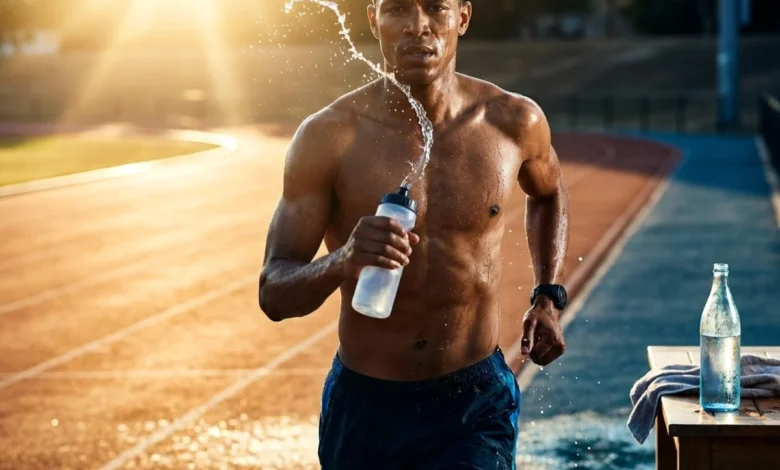
For decades, the fitness industry has operated under the assumption that aggressive fluid intake is the cornerstone of endurance success, often promoting the mantra "drink before you are thirsty." However, a rigorous systematic review and meta-analysis published in Frontiers in Nutrition challenges this long-held paradigm, suggesting that while hydration is vital for physiological regulation, it may not be the silver bullet for performance speed that it is often marketed to be. The study, which synthesized data from 24 randomized trials involving 225 adult participants, indicates that for many athletes, the direct link between consuming fluids during exercise and achieving faster finish times or increased work capacity remains statistically elusive.
The Methodology Behind the Meta-Analysis
The study, summarized by Zhané Slambee in an October 29, 2026, report for mindbodygreen, represents a significant departure from traditional research models. Rather than conducting a singular, large-scale experiment, the researchers employed a meta-analytical approach, pooling results from 24 separate randomized trials. These trials covered a broad spectrum of hydration strategies, ranging from "ad libitum" (drinking to thirst) to strictly scheduled intake and comparisons between high-volume versus low-volume fluid consumption.
The participants in these trials were monitored across several key performance indicators, including time-trial completion speed, total work output within fixed time frames, heart rate, and internal core temperature. By aggregating these disparate datasets, the researchers aimed to establish whether there is a universal benefit to supplemental hydration during continuous exercise lasting 60 minutes or longer. The conclusion was nuanced: while physical markers like heart rate and core temperature consistently improved with fluid intake, performance metrics—such as speed and endurance capacity—showed no statistically significant improvement when compared to those who drank little or nothing.
A Chronology of Hydration Science
The debate over optimal fluid intake is not new. It has evolved through distinct phases in sports science history. In the mid-20th century, the prevailing wisdom in many endurance sports, particularly distance running, was to avoid fluid intake to prevent "stomach sloshing." This shifted dramatically in the late 20th century, as industry-sponsored research and athletic organizations began advocating for the aggressive consumption of water and electrolyte solutions to prevent dehydration-induced performance slumps.
By the early 2000s, this advocacy reached its peak, with many marathon guidelines advising runners to drink at every available aid station. However, this push eventually led to a rise in cases of exercise-associated hyponatremia, a condition where excessive water intake dilutes blood sodium levels to dangerous, and sometimes fatal, levels. The current findings published in 2026 reflect a maturing of the scientific consensus, moving away from "one-size-fits-all" recommendations toward a more individualized, evidence-based approach that weighs the risks of over-hydration against the genuine physiological needs of the body.
Physiological Consistency Versus Performance Uncertainty
The data presented in the review clarifies a crucial distinction in exercise physiology: the difference between physiological comfort and mechanical performance. The researchers found that participants who consumed fluids during their training sessions consistently exhibited lower heart rates and lower core body temperatures compared to their dehydrated counterparts. This suggests that hydration is indeed effective at mitigating the physiological strain of exercise.
Despite these lower physiological stress markers, the data failed to show that this "comfort" translated into superior performance outcomes. In the context of time trials, there was no clear evidence that the hydrated group outperformed those who drank little or nothing. Furthermore, while some individual studies within the meta-analysis hinted that hydration might extend the time until exhaustion, the overall evidence remained too weak to reach a definitive conclusion. This implies that while an athlete might feel better and maintain a more stable internal environment while drinking, they are not necessarily becoming faster or more powerful.
The Role of Environmental Variables and Sweat Loss
The research acknowledges that fluid requirements are highly dependent on external variables. Factors such as ambient temperature, humidity, and exercise intensity dictate the rate of sweat loss, which in turn influences the rate of fluid replacement required to maintain homeostasis. In cooler, moderate conditions, the body is often highly efficient at regulating its temperature, and drinking to thirst—an innate biological mechanism—may be perfectly adequate for the majority of recreational athletes.
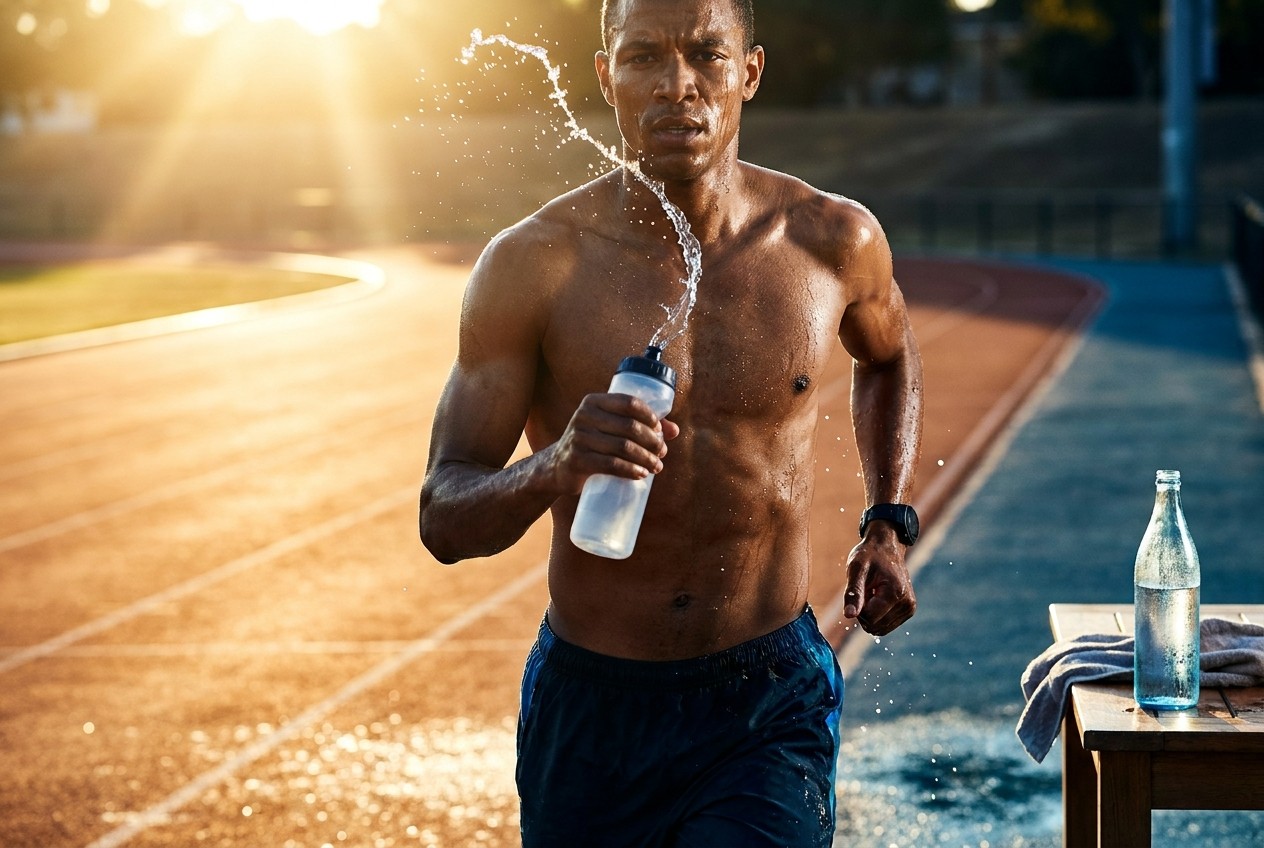
Conversely, in extreme environments, the situation changes. Research on industrial workers and elite endurance athletes has consistently demonstrated that high-intensity labor in hot and humid conditions leads to significant electrolyte depletion. In these specific scenarios, fluid replacement is not merely about comfort; it is a vital safety measure to prevent heat-related illness. The review cautions, however, that even in these cases, the focus should be on replacing lost electrolytes, particularly sodium, rather than simply consuming large volumes of water, which can trigger the aforementioned risks of hyponatremia.
Broader Implications for Athletic Training
The implications of this meta-analysis are significant for coaches, trainers, and athletes. The primary takeaway is that the "more is better" approach to hydration is largely unsupported by current evidence. For shorter, moderate-intensity workouts, the body’s natural thirst mechanism is a reliable guide. For longer endurance sessions, or those conducted in extreme climates, hydration plans should be calculated based on individual sweat rates and environmental conditions rather than rigid, universal schedules.
Furthermore, the study highlights that performance is a multi-faceted outcome. Variables such as pacing, baseline fitness, nutritional status, and mental fortitude often play a more decisive role in finish times than the specific volume of water consumed during the event. By narrowing the claim that fluid intake is a guaranteed performance booster, the review encourages a more holistic view of athletic preparation.
Addressing the Risks of Over-Hydration
The medical community has been increasingly vocal about the dangers of over-hydration. Exercise-associated hyponatremia is characterized by a rapid drop in blood sodium concentration, leading to symptoms such as confusion, nausea, headaches, and in severe cases, seizures and pulmonary edema. The review authors emphasized that because the body has a limited capacity for fluid absorption, consuming more water than the body requires—especially when sweat rates are not sufficiently high to necessitate it—is counterproductive.
The inclusion of electrolytes in recovery and performance protocols remains supported by historical data, particularly for multi-session training days or high-intensity endurance events. However, the study suggests that athletes should view hydration as a tool for health maintenance and physiological stability rather than a magical performance enhancer.
Conclusion: A Personalized Strategy
The Frontiers in Nutrition review serves as a corrective measure in the landscape of sports nutrition. It does not suggest that athletes should cease drinking during exercise, nor does it discount the long-standing guidance that fluid intake is essential for recovery. Instead, it invites a paradigm shift: moving away from the anxiety of "dehydration avoidance" and toward an intuitive, data-informed strategy.
Athletes are encouraged to assess their specific needs by monitoring their sweat loss in different environments and observing how their bodies respond to various fluid intake volumes. For the average participant, this may mean carrying less water and focusing more on consistent, moderate intake when necessary. By matching fluid intake to the specific demands of the workout and the surrounding environment, athletes can maintain their health and physiological function without relying on unsubstantiated claims that more water equates to a faster, more successful race.
Ultimately, the science confirms that while hydration is a vital component of the athletic experience, it is only one variable in a complex equation. True performance gains will continue to rely on the integration of proper training, adequate recovery, and a nuanced understanding of one’s own physiological limits, rather than a singular focus on the water bottle.