New Global Analysis Reveals Nearly Four in Ten Cancer Cases Worldwide Are Preventable, Highlighting Urgent Need for Coordinated Public Health Action.


A groundbreaking global analysis from the World Health Organization (WHO) and its International Agency for Research on Cancer (IARC) has revealed that a substantial proportion of cancer cases worldwide, potentially up to four in ten, are linked to preventable causes. Released ahead of World Cancer Day on February 4, the comprehensive study estimates that 37% of all new cancer cases diagnosed in 2022 – approximately 7.1 million individuals – could have been averted through targeted interventions addressing identifiable risk factors. This landmark research, published in a leading scientific journal, significantly expands the understanding of cancer prevention by examining 30 distinct causes, including established factors like tobacco use, alcohol consumption, high body mass index (BMI), physical inactivity, air pollution, and ultraviolet (UV) radiation, and for the first time, integrating nine specific cancer-causing infections into its global assessment.
The findings underscore the immense, yet often underestimated, potential of prevention as a cornerstone strategy in the global fight against cancer. By meticulously analyzing data from 185 countries and encompassing 36 different cancer types, the study provides an unprecedented level of detail regarding the attributable burden of preventable cancers. Tobacco emerges as the single most significant preventable cause globally, accounting for an estimated 15% of all new cancer cases. Following closely are various infections, responsible for 10% of new cases, and alcohol consumption, contributing to 3%. These statistics not only quantify the burden but also provide a clear roadmap for public health initiatives aimed at reducing the devastating impact of cancer on individuals, families, and healthcare systems worldwide.
The Landscape of Preventable Causes: A Deeper Dive
The 30 preventable causes identified by the WHO and IARC span a wide spectrum of behavioral, environmental, occupational, and infectious agents. Beyond the leading culprits of tobacco, infections, and alcohol, the analysis meticulously considered factors such as inadequate physical activity, dietary patterns (e.g., low fruit/vegetable intake, high processed meat consumption), exposure to indoor and outdoor air pollution, various occupational carcinogens (e.g., asbestos, silica), and exposure to different forms of radiation, including solar UV and ionizing radiation. This holistic approach marks a significant advancement in cancer epidemiology, offering a more nuanced understanding of multifactorial disease causation.
Historically, cancer prevention efforts have largely focused on lifestyle modifications and environmental protections. While these remain critical, the explicit inclusion and quantification of infectious causes represent a pivotal shift. Pathogens like the human papillomavirus (HPV), responsible for cervical and other anogenital cancers, as well as oropharyngeal cancers; Helicobacter pylori, a key driver of stomach cancer; and Hepatitis B and C viruses, primary causes of liver cancer, are now firmly established as major, and importantly, preventable contributors to the global cancer burden. This recognition strengthens the argument for vaccination programs and improved hygiene as essential components of national cancer control strategies.
Targeting Key Cancer Types: Specificity in Prevention
The study highlights that three specific cancer types – lung, stomach, and cervical cancer – collectively account for nearly half of all preventable cancer cases across both men and women globally. This concentration offers strategic opportunities for highly impactful prevention campaigns.
Lung cancer, long recognized as a leading cause of cancer mortality, is predominantly linked to smoking and, to a growing extent, air pollution. The data reinforces the urgency of robust tobacco control policies, including taxation, marketing bans, and smoke-free environments. Simultaneously, efforts to improve air quality, both ambient (outdoor) and household (indoor), through stricter emission standards and cleaner energy solutions, are vital.
Stomach cancer, a significant health challenge in many parts of the world, is largely attributable to Helicobacter pylori infection. This bacterium, often acquired in childhood, can cause chronic inflammation and ulcers, eventually leading to gastric cancer in a subset of infected individuals. Strategies to prevent H. pylori infection, such as improved sanitation and access to clean water, alongside early detection and eradication treatments, hold immense promise.
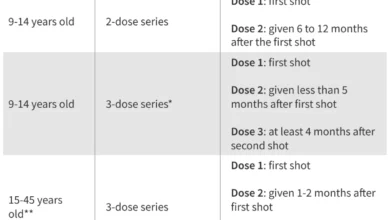
Cervical cancer stands out as overwhelmingly caused by human papillomavirus (HPV). The overwhelming evidence linking HPV to cervical cancer has driven the development of highly effective prophylactic HPV vaccines. The study’s findings unequivocally support universal HPV vaccination programs for adolescent girls and increasingly, for boys, as a highly effective primary prevention tool. Combined with robust cervical cancer screening programs, the elimination of cervical cancer is now a tangible public health goal.
Dr. André Ilbawi, WHO Team Lead for Cancer Control and an author of the study, emphasized the novelty and utility of these findings. "This is the first global analysis to show how much cancer risk comes from causes we can prevent," Dr. Ilbawi stated. "By examining patterns across countries and population groups, we can provide governments and individuals with more specific information to help prevent many cancer cases before they start." This tailored information is crucial for developing context-specific and effective public health interventions.
Disparities in Preventable Cancer Burden: Gender and Geography
The analysis also unveiled significant differences in the burden of preventable cancer across genders and geographical regions, reflecting the complex interplay of exposure to risk factors, socioeconomic development, and healthcare infrastructure.
The burden was notably higher in men than in women, with 45% of new cancer cases in men attributed to preventable causes compared to 30% in women. This disparity is largely driven by differing exposure patterns to key risk factors. Among men globally, smoking accounted for an estimated 23% of all new cancer cases, followed by infections at 9% and alcohol at 4%. In contrast, among women, infections were the leading preventable cause at 11%, followed by smoking at 6% and high body mass index at 3%. These gender-specific patterns highlight the need for tailored prevention campaigns that address prevalent risk behaviors and exposures within each demographic.
Geographical variations were equally striking. Among women, the proportion of preventable cancers ranged from 24% in North Africa and West Asia to 38% in sub-Saharan Africa. For men, the highest burden was observed in East Asia at 57%, while the lowest was in Latin America and the Caribbean at 28%. These regional differences are not random; they are deeply rooted in varying exposures to behavioral, environmental, occupational, and infectious risk factors, often influenced by distinct socioeconomic development trajectories, national prevention policies, and the capacity of local health systems. For instance, regions with high smoking prevalence, prevalent infectious diseases, or significant industrial pollution will naturally exhibit a higher preventable cancer burden.
Dr. Isabelle Soerjomataram, Deputy Head of the IARC Cancer Surveillance Unit and senior author of the study, underscored the comprehensive nature of the research. "This landmark study is a comprehensive assessment of preventable cancer worldwide, incorporating for the first time infectious causes of cancer alongside behavioral, environmental, and occupational risks," Dr. Soerjomataram commented. "Addressing these preventable causes represents one of the most powerful opportunities to reduce the global cancer burden."
The Broader Context: Global Cancer Burden and World Cancer Day
The release of this report is particularly timely, coinciding with World Cancer Day, an international observance held on February 4 to raise awareness of cancer and to encourage its prevention, detection, and treatment. The theme for World Cancer Day often revolves around "Closing the Care Gap," and this study directly contributes to that objective by identifying significant opportunities for primary prevention, thereby reducing the need for treatment and care in the first place.
Globally, cancer remains a leading cause of death, with an estimated 20 million new cases and 9.7 million deaths reported in 2022, according to IARC’s GLOBOCAN data. The sheer scale of these figures underscores the urgency of prevention. The economic burden of cancer is also staggering, encompassing direct healthcare costs for diagnosis, treatment, and palliative care, as well as indirect costs from lost productivity due to illness, disability, and premature death. By preventing millions of cases, countries can alleviate immense pressure on their healthcare systems and unlock significant economic benefits, allowing resources to be redirected towards other critical public health priorities.
Implications and Call to Action: A Coordinated Global Response
The findings of this WHO/IARC study present a compelling call to action for governments, public health agencies, civil society organizations, and individuals worldwide. They highlight the urgent need for context-specific prevention strategies that are comprehensive, multi-sectoral, and sustained.
Key policy imperatives include:
- Stronger Tobacco Control Measures: Implementing and enforcing WHO Framework Convention on Tobacco Control (FCTC) policies, including higher taxes, plain packaging, advertising bans, and smoke-free public places.
- Alcohol Regulation: Policies to reduce harmful alcohol consumption, such as restrictions on availability, marketing, and pricing.
- Vaccination Programs: Universal access to vaccines against cancer-causing infections like human papillomavirus (HPV) and hepatitis B. Expanding these programs to reach underserved populations is crucial.
- Improved Air Quality: Implementing policies to reduce both outdoor air pollution (e.g., stricter industrial emissions standards, cleaner transport) and indoor air pollution (e.g., promoting clean cooking fuels, improved ventilation).
- Safer Workplaces: Enforcing occupational health and safety regulations to minimize exposure to known carcinogens.
- Healthier Food and Physical Activity Environments: Promoting healthy diets through educational campaigns, food labeling, and regulations on unhealthy food marketing, alongside creating urban environments that encourage physical activity.
- Addressing Socioeconomic Determinants: Recognizing that vulnerability to preventable risk factors often correlates with socioeconomic status, policies must also aim to reduce inequalities in health.
Crucially, effective cancer prevention demands coordinated action across multiple sectors. It is not solely the responsibility of health ministries but requires engagement from education (for health literacy), energy and transport (for air quality), labor (for workplace safety), agriculture (for food systems), and urban planning (for active living environments). Such integrated approaches can prevent millions of families from experiencing the burden of a cancer diagnosis, thereby lowering long-term health-care costs and significantly improving population health and well-being.
The WHO and IARC, as leading global health authorities, are committed to strengthening cancer prevention, early detection, treatment, and palliative care worldwide. Their ongoing efforts involve providing technical guidance, defining global and regional standards, and supporting governments in improving access and reducing inequalities. This latest global analysis serves as a powerful evidence base, reinforcing their mission and guiding future research, policy development, and global initiatives aimed at curtailing the rising tide of cancer. By focusing on the preventable, the international community can unlock a future with significantly less cancer and a healthier, more vibrant global population.
Related posts: