Ahead of World Drowning Prevention Day on July 25, the World Health Organization (WHO) has launched a pivotal new technical package, dubbed ‘PROTECT’, designed to arm governments and communities worldwide with seven proven, evidence-based measures to drastically reduce the staggering number of drowning fatalities. This initiative comes at a critical juncture, as global drowning figures remain alarmingly high, exacerbated by the increasing frequency and intensity of climate-related extreme weather events. The launch underscores a renewed global commitment to addressing a preventable public health crisis that claims hundreds of thousands of lives annually, disproportionately affecting vulnerable populations.
Understanding the Global Burden of Drowning
Drowning is a silent epidemic, claiming nearly 300,000 lives each year across the globe. This makes it one of the leading causes of unintentional injury death worldwide. The statistics paint a grim picture, particularly for the youngest and most vulnerable members of society. Drowning consistently ranks among the top ten leading causes of death for children aged 5 to 14 years, a demographic highly susceptible to water-related hazards. While tragic, many of these deaths are entirely preventable, often occurring in common settings such as rivers, lakes, wells, domestic water storage containers, and swimming pools. The global distribution of these fatalities reveals a stark disparity: over 90% of drowning deaths occur in low- and middle-income countries. This imbalance is attributable to a confluence of factors, including limited access to water safety education, inadequate infrastructure, lack of robust regulatory frameworks, and insufficient emergency response capabilities. In many of these regions, communities often live in close proximity to natural water bodies that are integral to daily life for transport, sustenance, and livelihood, yet lack the necessary safety measures. The economic impact of drowning extends beyond the immediate tragedy, imposing significant burdens on healthcare systems, reducing workforce productivity, and causing profound psychological trauma within affected families and communities.
Climate Change: An Escalating Threat to Water Safety
The challenge of drowning prevention is being compounded by the escalating impacts of climate change. Extreme weather events, including devastating floods, intense storms, and prolonged heatwaves, are becoming more frequent and severe globally, directly contributing to a higher risk of drowning. Floods, in particular, pose an immediate and widespread threat, transforming familiar landscapes into hazardous water bodies, damaging critical infrastructure, and displacing communities, often without adequate warning or safe evacuation routes. The aftermath of floods can also introduce new, unforeseen water hazards and disrupt emergency services, further increasing risks.
Beyond floods, studies have revealed a strong association between rising temperatures and increased drowning incidents. Heatwaves, for instance, lead to more people seeking respite in natural and artificial water bodies, often in unsupervised or unsafe conditions. Research conducted in the United Kingdom provides compelling data, showing that drowning deaths increase by an average of 7.2% for every 1°C rise in temperature. Furthermore, the risk of drowning is nearly five times higher on days when temperatures exceed 25°C compared with days below 10°C. This correlation highlights the urgent need to integrate climate resilience strategies into drowning prevention efforts, adapting to a future where such extreme weather events are projected to become even more common. The indirect consequences of climate change, such as altered hydrological patterns and increased reliance on open water sources in drought-prone areas, also contribute to heightened risks, creating a complex web of challenges for public health officials.
The ‘PROTECT’ Framework: A Comprehensive, Evidence-Based Approach
The ‘PROTECT’ technical package is a cornerstone of the WHO’s broader efforts to combat drowning. It translates the overarching vision of the first-ever Global Strategy for Drowning Prevention, an initiative developed by the WHO-hosted Global Alliance for Drowning Prevention in recent years, into practical, actionable policy guidance. The package provides policymakers with concrete, evidence-informed recommendations across seven interconnected domains designed to strengthen safety around water. While the original source does not explicitly spell out the acronym, the strategies outlined within the PROTECT framework are comprehensive and multi-sectoral. These measures are critical for addressing the diverse contexts and causes of drowning.
Key components of the PROTECT strategy include:
- Promoting water safety education and survival swimming skills: Equipping individuals, especially children, with the ability to swim and understand water hazards. This often involves structured swimming lessons and basic water safety awareness campaigns in schools and communities.
- Regulating and enhancing safety of water bodies and activities: Implementing and enforcing policies such as fencing around swimming pools, mandatory use of lifejackets on boats, and clear signage warning of dangers in open water. This also extends to regulating recreational water activities.
- Organizing effective emergency response and rescue services: Strengthening the capacity of local communities and emergency services to respond rapidly and effectively to drowning incidents, including training in first aid, cardiopulmonary resuscitation (CPR), and water rescue techniques.
- Targeting vulnerable populations with specific interventions: Developing tailored programs for groups at higher risk, such as children, migrant workers, fishing communities, and individuals with certain health conditions, considering their unique environmental and cultural contexts.
- Establishing national water safety plans and policies: Encouraging governments to develop comprehensive national strategies that integrate drowning prevention into broader public health, education, and development agendas, backed by legislative frameworks and dedicated resources.
- Combating climate-related drowning risks through preparedness: Integrating drowning prevention into disaster risk reduction strategies, focusing on early warning systems for floods, safe evacuation protocols, and community resilience building in flood-prone areas.
- Technological innovation, research, and data collection: Utilizing technology for surveillance, monitoring, and communication, investing in research to better understand drowning epidemiology and effective interventions, and improving data collection to inform policy.
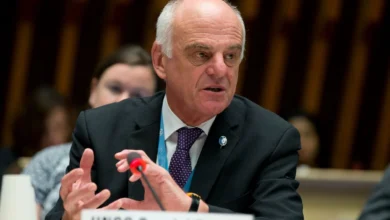
Dr. Tedros Adhanom Ghebreyesus, WHO Director-General, emphasized the profound human cost of this issue, stating, "Every drowning is a tragedy, and most are preventable. The seven PROTECT strategies give countries practical, evidence-based approaches to prevent these tragedies, including making water transport safer, teaching school kids to swim, and preparing for floods. Drowning prevention isn’t the job of one ministry; it belongs to everyone, and the lives it saves are the reward." His statement underscores the imperative for a whole-of-government and whole-of-society approach, recognizing that no single sector can tackle this multifaceted challenge alone.
Ghana: A Beacon of Progress and Commitment
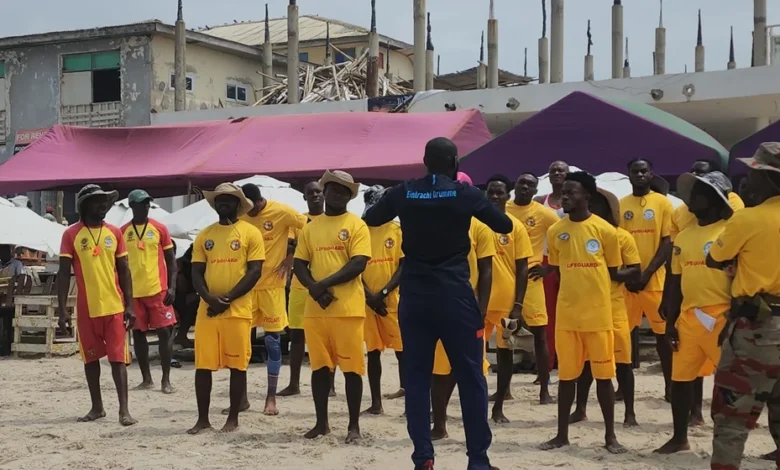
The global launch of the PROTECT package took place in Ghana, a country recognized for its growing political commitment to drowning prevention and its ongoing, commendable efforts to strengthen water safety. Ghana faces a significant burden of drowning, with an estimated 1,100 people dying from drowning annually, translating to approximately three deaths every day. Children and young adults are disproportionately affected, a pattern consistent with global trends. The decision to host the launch in Ghana serves to highlight the nation’s increasing leadership in addressing this preventable tragedy and to inspire other governments to adopt and implement evidence-based policies that can significantly reduce drowning deaths and protect at-risk communities.
Ghana’s challenges are diverse, ranging from coastal areas with strong currents to extensive inland river networks, and the pervasive use of domestic water storage containers in many communities. However, the nation has demonstrated a proactive stance, initiating local awareness campaigns, exploring community-based programs for water safety education, and engaging in policy development aimed at creating safer aquatic environments. The launch event provided a platform for Ghanaian officials to articulate their commitment and to share their experiences, offering valuable insights for other nations grappling with similar issues. The Ghanaian government expressed its gratitude for the WHO’s support, reaffirming its dedication to integrating the PROTECT strategies into national health and development plans.
A Decade of Collaborative Action and Philanthropic Support
The launch of the PROTECT package builds upon more than a decade of fruitful collaboration between the WHO, governments, and key partners, most notably Bloomberg Philanthropies, to advance evidence-based drowning prevention actions around the world. Since 2014, Bloomberg Philanthropies has been a steadfast partner to the WHO in this critical area, providing substantial financial and technical support. This partnership has been instrumental in the development of foundational resources that have guided global best practices for prevention interventions, including the very PROTECT technical package being launched.
Dr. Kelly Henning, who leads the public health program at Bloomberg Philanthropies, remarked on the significance of this milestone: "This framework will save lives while building on the progress governments around the world are making to prevent drowning deaths in their countries. Bloomberg Philanthropies has worked with governments worldwide to implement proven, effective strategies that reduce drowning deaths. We applaud the World Health Organization for its leadership on this issue and look forward to continuing to support it and local governments as they use the PROTECT technical package." Her statement underscores the long-term vision and sustained commitment required to make a tangible difference in global public health. This enduring partnership exemplifies how strategic philanthropic investment, combined with global health leadership, can drive meaningful change and accelerate the adoption of life-saving interventions.
World Drowning Prevention Day: Uniting to Turn the Tide
The launch of the PROTECT package is strategically timed ahead of World Drowning Prevention Day on July 25. This global observance, formally recognized by the United Nations General Assembly in April 2021 through Resolution A/RES/75/273, serves as a crucial annual reminder of the devastating impact of drowning and the urgent need for action. The theme for this year’s World Drowning Prevention Day, "Unite to turn the tide," powerfully reflects the imperative for coordinated action across diverse stakeholders. It calls for governments, non-governmental organizations, local communities, the private sector, and individuals to come together, share expertise, pool resources, and implement integrated strategies to prevent drowning and save lives. The day provides an opportunity to raise awareness, advocate for policy changes, and mobilize resources for effective drowning prevention programs globally.
Broader Implications and Future Outlook
The PROTECT package carries profound implications for global public health and policy. For governments, it offers a clear roadmap for developing and implementing national drowning prevention plans, fostering inter-ministerial collaboration (e.g., health, education, transport, environment), and allocating necessary resources. The emphasis on evidence-based measures means that interventions can be tailored to local contexts while adhering to globally recognized best practices, ensuring efficacy and sustainability.
At the community level, the widespread adoption of PROTECT strategies promises to empower individuals with essential water safety skills, improve local emergency response capabilities, and create safer environments, especially for children. This directly contributes to broader Sustainable Development Goals (SDGs), particularly SDG 3 (Good Health and Well-being), by reducing preventable mortality and morbidity. Furthermore, by addressing the disproportionate impact on low- and middle-income countries and vulnerable populations, it aligns with SDG 1 (No Poverty) and SDG 10 (Reduced Inequalities). Integrating climate-related risk reduction into water safety plans also contributes to SDG 13 (Climate Action).
Despite the robust framework, challenges remain. These include securing adequate funding, overcoming cultural barriers to adopting new safety practices, ensuring political will for sustained implementation, and scaling interventions effectively across diverse geographical and socio-economic contexts. However, the comprehensive nature of the PROTECT package, coupled with the renewed global focus on drowning prevention, offers a strong foundation for optimism. The unified approach advocated by the WHO and its partners, exemplified by the "Unite to turn the tide" theme, suggests a future where drowning is no longer a silent killer but a preventable tragedy addressed through collective action and unwavering commitment. The success of this initiative will ultimately depend on the concerted efforts of all stakeholders, transforming policy recommendations into tangible, life-saving outcomes on the ground.
Related posts: