The Glowing Threat to Our Hearts: How Nighttime Light Exposure Alters Cardiac Structure and Function

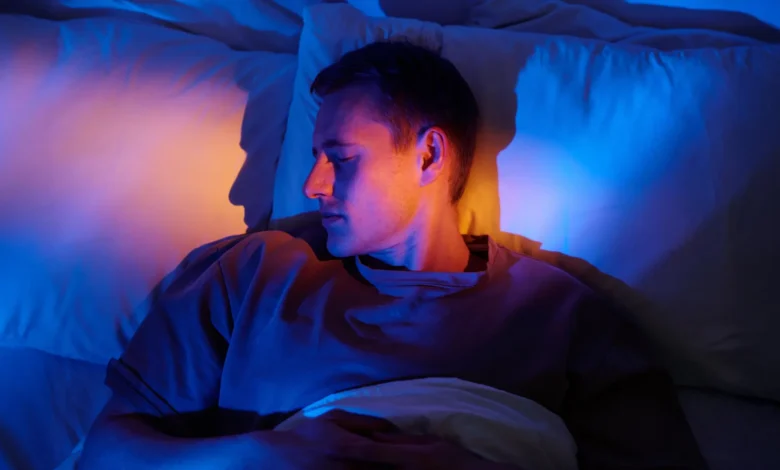
Modern civilization prides itself on conquering the darkness. From the neon pulses of sprawling urban centers to the gentle glow of smartphone screens illuminating bedside tables, human beings have systematically pushed back the night. Yet, this perpetual illumination may be exacting a profound physical toll that extends far beyond mere sleep disruption. Published in the European Heart Journal on September 9, groundbreaking research involving more than 11,000 individuals has established a direct, alarming association between nighttime light exposure and potentially irreversible structural and functional alterations within the human heart.
Led by Professor Lu Qi of Tulane University in New Orleans, USA, the study provides a critical biological link connecting global satellite observations of an increasingly glowing planet with the clinical reality unfolding inside individual chests. As artificial light at night (ALAN) transforms the nocturnal environment across industrialized nations, the medical community is forced to reevaluate the definition of a healthy living space. The findings suggest that darkness is not merely a passive backdrop for rest, but an active, necessary component of cardiovascular health—one that may deserve recognition as a vital sign alongside blood pressure regulation and dietary choices.
Tracing the Methodology: The UK Biobank Cohort
To arrive at these compelling conclusions, the research team leveraged one of the world’s most comprehensive biomedical databases: the UK Biobank. The study enrolled a robust cohort of 11,071 participants, ensuring a diverse and statistically significant sample size capable of yielding reliable insights. The investigative process was meticulously structured to capture both environmental exposures and subsequent physiological outcomes over a multi-year timeline.
The chronology of the study began with an intensive monitoring phase. Each participant was outfitted with a specialized light sensor worn on the wrist continuously for seven days. This device accurately quantified the cumulative amount of environmental light each individual encountered during standard sleeping hours. Unlike static bedroom measurements, the wrist-worn sensors provided a dynamic, highly accurate reading of actual light exposure experienced throughout the night, accounting for factors such as reading in bed, falling asleep with the television on, or light filtering through bedroom windows from streetlamps.
Following this initial monitoring period, the cohort entered a three-year longitudinal tracking phase. Approximately three years after the initial light-exposure assessment, participants returned for advanced diagnostic evaluations. Specifically, they underwent detailed cardiac magnetic resonance imaging (MRI) scans. These state-of-the-art imaging sessions offered high-resolution visualizations of the heart’s architecture, allowing researchers to examine the thickness of muscle walls, the volume of internal chambers, and the efficiency of myocardial contractions with exceptional precision.
When analyzing the data, researchers stratified the cohort by comparing individuals who experienced nighttime light levels exceeding three lux—roughly equivalent to a dim urban streetlamp filtering through a window—with those whose sleeping environments remained in near-total darkness. The comparative analysis revealed stark, statistically significant physiological divergences between the two groups.
Structural Remodeling: What Happens Inside the Heart
The physiological impacts identified by Professor Qi and his colleagues center on a pathological process known as cardiac remodeling. Typically triggered in response to chronic stress, mechanical overload, or acute injury, remodeling represents the heart’s desperate attempt to adapt to adverse conditions. Over time, however, this adaptive mechanism backfires, progressively weakening the cardiac muscle and paving the way for heart failure.
The MRI scans of participants exposed to higher levels of nighttime light uncovered several distinct abnormalities. Most notably, these individuals exhibited thickening of the wall of the left ventricle, the primary pumping chamber responsible for oxygenated blood circulation to the rest of the body. As the ventricular wall undergoes this abnormal thickening—a condition clinically referred to as hypertrophy—the internal volume of the chamber is significantly reduced. This reduction limits the heart’s capacity to fill adequately with blood during each resting phase of the cardiac cycle.
Furthermore, the imaging data demonstrated tangible impairments in myocardial flexibility. The heart muscle was measurably less able to flex and relax normally during each heartbeat. Reduced myocardial compliance serves as an early warning sign of diastolic dysfunction, a precursor to heart failure where the stiffened heart muscle struggles to relax and fill properly between beats. Beyond the left ventricle, researchers also detected structural and functional alterations in the right ventricle and the left atrium, indicating that the destabilizing effects of nocturnal light pollution reverberate across multiple chambers of the heart.
Professor Qi emphasized the novelty and gravity of these structural shifts. "This is the first study of its kind, and it shows that exposure to higher levels of light at nighttime is linked to cardiac remodeling," he noted. By demonstrating that environmental light operates as an independent stressor capable of physically reshaping cardiac tissue, the research elevates light pollution from an aesthetic nuisance or a mere sleep-disruption concern to a serious cardiovascular risk factor.
Expert Perspectives and Clinical Implications
The publication of the Tulane University study has prompted immediate reactions and comprehensive analyses from leading cardiologists and public health experts worldwide. Accompanying the research in the European Heart Journal was an insightful editorial authored by Professor Thomas Münzel of the University Medical Center Mainz, Germany, alongside his colleagues. The editorial calls for a paradigm shift in how clinicians approach patient history, urging medical professionals to look beyond traditional risk factors such as smoking, cholesterol, and hypertension.
Professor Münzel and his co-authors argued that healthcare providers must integrate questions about the nocturnal environment into routine clinical evaluations, particularly when managing patients already diagnosed with heart failure, coronary artery disease, or atrial fibrillation. The editorial outlines a straightforward investigative line for physicians: asking patients about bedroom darkness, occupational night-shift work, and post-sunset screen consumption habits.
Crucially, the clinical response advocated by the Mainz team is remarkably accessible and economically viable. "The advice is simple and inexpensive: blackout curtains, warm-coloured bedside lighting, and covering the small standby LEDs on household electronics," the authors wrote. By mitigating indoor light sources, patients can immediately reduce their nightly exposure levels without incurring prohibitive costs or complicated medical interventions.
From a macroeconomic and public health standpoint, the implications extend far beyond individual household adjustments. Urban planning and municipal policy emerge as critical battlegrounds in the fight against environmentally induced cardiovascular disease. Light pollution stands out as one of the few environmental hazards that local governments can control directly and cost-effectively through targeted legislative and infrastructural measures.
Municipalities can transition toward modern, energy-efficient lighting grids that utilize shielded fixtures, warm-spectrum bulbs, and motion-activated or dimmable streetlights. These technologies not only reduce skyglow and light trespass into residential windows but also conserve electricity and decrease urban carbon footprints. Aligning municipal lighting policies with public health directives represents a dual victory for environmental sustainability and human longevity.
Broader Context: The Expanding Horizon of Environmental Cardiology
To fully appreciate the weight of these recent findings, one must view them within the broader evolution of environmental cardiology—an emerging subspecialty dedicated to understanding how external, non-traditional environmental factors influence cardiovascular morbidity and mortality. For decades, environmental health research concentrated heavily on air pollution, heavy metal exposure, and noise pollution. While these remain paramount public health threats, the modern world has introduced ubiquitous electronic stimuli that fundamentally alter natural circadian rhythms.
Human biology is deeply rooted in the evolutionary framework of the circadian cycle—the internal biological clock governed by the suprachiasmatic nucleus in the brain. This master clock regulates a vast array of physiological processes, including blood pressure fluctuations, heart rate variability, inflammatory cascades, and hormonal secretions like melatonin. Exposure to artificial light during the biological night suppresses melatonin production and disrupts autonomic nervous system balance, shifting the body toward sympathetic dominance ("fight or flight") when it should be resting and repairing.
Chronic circadian misalignment has long been associated with metabolic syndrome, obesity, type 2 diabetes, and systemic inflammation—all of which are established precursors to cardiovascular disease. The Tulane University study bridges the missing link by demonstrating how these systemic disruptions translate directly into structural pathology within the heart muscle itself. The dose-response relationship identified in the data is unambiguous: higher cumulative nighttime light exposure correlates directly with worse cardiac outcomes, reinforcing the biological coherence of the findings.
Policy Recommendations and Future Research Directions
As light pollution continues to escalate globally—expanding by dramatic margins each decade according to satellite telemetry—the urgency for regulatory action intensifies. Public health agencies, urban planners, and environmental protection organizations face mounting pressure to incorporate artificial light standards into broader environmental health frameworks.
Future research endeavors stemming from this study are expected to explore several vital avenues. Scientists aim to investigate whether mitigating nighttime light exposure can reverse cardiac remodeling or halt its progression once structural changes have begun. Additionally, researchers will likely examine vulnerable demographic groups, such as shift workers, urban residents living near major transportation corridors, and socioeconomically disadvantaged populations who disproportionately experience high levels of light trespass due to housing limitations.
Ultimately, the landmark study published in the European Heart Journal serves as a powerful reminder that our bodies are inextricably linked to the natural rhythms of our environment. Darkness is not an emptiness to be conquered, but a biological imperative essential for cellular repair and cardiovascular preservation. By recognizing darkness as a vital sign on par with blood pressure control and clean air, the medical community and policymakers can take decisive steps toward safeguarding the collective health of an increasingly illuminated world.
Related posts: