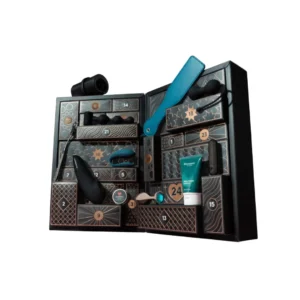
The arrival of the "ber" months—September through December—traditionally signals the start of the retail industry’s most significant period: the holiday shopping season. While consumer attention is frequently dominated by electronics, home goods, and apparel, a growing sector of the wellness market has successfully pivoted toward the seasonal advent calendar trend. Womanizer, a prominent manufacturer in the intimate wellness space, has officially launched its 2026 collection of advent calendars, signaling a departure from traditional confectionery-based countdowns toward experiential, product-focused gifting.
The evolution of the advent calendar from a simple cardboard box containing chocolates into a premium vehicle for high-value merchandise is a trend that has accelerated significantly over the last five years. Industry analysts observe that adult-oriented advent calendars represent a broader shift in consumer behavior, where buyers prioritize self-care and long-term utility over ephemeral seasonal treats. By curating collections that include full-size devices, accessories, and intimate wellness tools, companies like Womanizer are positioning themselves within the lucrative $30 billion global sexual wellness market.

A Chronology of the Modern Holiday Countdown
The tradition of the advent calendar dates back to the 19th century in Germany, originally used by Lutheran Christians to track the days leading up to Christmas. For decades, the format remained static, generally limited to paper doors concealing small religious images or chocolates. However, the 2020s marked a radical transformation in this ritual. As the pandemic shifted consumer habits toward home-based entertainment and private wellness, the demand for "experience-driven" gift boxes surged.
In 2026, the strategy employed by Womanizer reflects a sophisticated understanding of this shift. Rather than relying on "filler" items—small, disposable trinkets designed solely to occupy space within a 24-day box—the brand has implemented a strategy centered on high-utility items. This change in product architecture addresses a long-standing consumer complaint regarding advent calendars: the perceived lack of value for the price paid. By integrating full-size vibrators and professional-grade accessories, the company is attempting to establish the advent calendar as a cost-effective bundle rather than a novelty item.
The 2026 Product Architecture
Womanizer has structured its 2026 offering into four distinct tiers, catering to varying levels of consumer commitment and budgetary constraints.

The Couples Advent Calendar serves as a 24-piece collection aimed at partnerships. The inclusion of the Womanizer Liberty 2 and the We-Vibe Sync Lite suggests a strategic effort to bundle two of the brand’s most recognizable product lines into a single, cohesive experience. The addition of peripheral items such as lubricants, massage oils, and interactive games points toward a comprehensive approach to "couples’ play," moving beyond hardware to encompass a broader wellness experience.
The Luxury Calendar represents the brand’s premium tier. With 24 doors containing a mix of high-end technology, including the Arcwave Zing and the Womanizer Enhance, this set is designed for the experienced consumer. Market data suggests that consumers willing to invest in luxury bundles are often looking for a curated "starter kit" of premium devices that would be more expensive if purchased individually.
For those seeking a more accessible entry point, the Romance Advent Calendar provides a seven-day countdown. This condensed format is a strategic response to market research indicating that not all consumers have the desire or budget for a full 24-day commitment. By offering a shorter, more focused experience, the brand lowers the barrier to entry for new customers.

Finally, the Enjoy Advent Calendar serves as a middle-ground 24-day offering. It features the Womanizer Starlet 3, a compact clitoral stimulator, and focuses on versatility with a mix of battery-operated and rechargeable devices, supplemented by essential accessories like toy wipes and restraints.
Market Implications and Consumer Trends
The decision to launch these calendars early in the "ber" months is a tactical retail move designed to capture the "early bird" segment of holiday shoppers. According to retail data from the National Retail Federation, an increasing percentage of consumers begin their holiday shopping before October to avoid supply chain disruptions and seasonal price fluctuations.
From a sociological perspective, the rise of intimate wellness advent calendars reflects a broader destigmatization of sexual health products. As these items become available through mainstream retail channels and are marketed with the same sophistication as luxury beauty or skincare advent calendars, the "taboo" associated with the category continues to diminish. This normalization allows brands to engage in more transparent marketing, treating intimate wellness as a standard component of overall physical and mental well-being.

Furthermore, the economic implications are notable. For the manufacturer, the advent calendar format provides a highly effective method for inventory management. It allows companies to move a high volume of products—both high-margin devices and lower-margin accessories—in a single transaction. For the consumer, the "bundled" pricing often offers a discount compared to the total cost of purchasing the contents individually, creating a compelling value proposition that drives higher conversion rates.
Industry Responses and Ethical Considerations
While the commercial success of these calendars is evident, it is accompanied by increased scrutiny regarding sustainability. The environmental impact of 24-day packaging, which often involves significant amounts of cardboard and plastic, is a point of concern for modern consumers. In response, many companies in the intimate wellness space are beginning to emphasize the recyclability of their packaging and the long-term, rechargeable nature of the included devices, framing them as sustainable alternatives to disposable or single-use battery-operated products.
Furthermore, the emphasis on "full-size" products in the 2026 Womanizer collection is a direct response to consumer feedback regarding waste. By eliminating 24 days of "tiny fillers," the company is aligning with a growing consumer preference for products that offer lasting utility, thereby mitigating the perception that these calendars are purely wasteful seasonal novelties.

Broader Impact on the Wellness Sector
The success of these collections has significant implications for the future of the intimate wellness industry. It signals that consumers are looking for brands to act as curators of their experiences. Rather than simply purchasing a single device, consumers are increasingly seeking out "wellness journeys" or curated kits that provide variety, education, and entertainment.
This shift has forced competitors to innovate, resulting in a more crowded and competitive marketplace. Brands are now expected to offer more than just functional hardware; they must provide an engaging, aesthetically pleasing, and thoughtfully designed experience that resonates with the consumer’s lifestyle. The 2026 Womanizer advent calendar line serves as a barometer for this trend, illustrating how traditional seasonal marketing can be successfully adapted to modern, wellness-focused retail strategies.
As the holiday season approaches, the performance of these calendars will likely be used by market analysts to gauge the strength of the consumer discretionary spending sector. If the trend of purchasing high-value, experience-based advent calendars holds, it could pave the way for further expansion of this model into other lifestyle categories, effectively blurring the lines between seasonal gifting and year-round product discovery.

Ultimately, the 2026 collection is not merely a holiday promotion; it is a strategic maneuver that highlights the maturation of the intimate wellness industry. By combining sophisticated product curation with a clear understanding of the consumer’s desire for value and experience, Womanizer has successfully adapted a centuries-old tradition to fit the needs of the contemporary, wellness-conscious shopper. Whether these products are purchased as gifts or for personal use, their presence in the market underscores the increasing importance of sexual wellness in the mainstream retail landscape.