Captain Chesley Sully Sullenberger III Announces Early-Stage Alzheimer’s Diagnosis to Raise Public Awareness

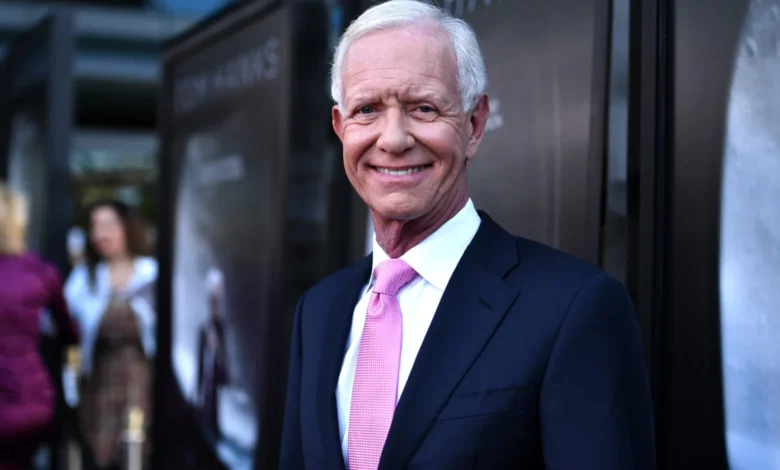
Captain Chesley “Sully” Sullenberger III, the legendary aviator who etched his name into history during the 2009 “Miracle on the Hudson,” has publicly revealed that he is living with a diagnosis of early-stage Alzheimer’s disease. At 75, the man once celebrated for his unflappable composure under pressure is now facing a different kind of challenge, choosing to confront his condition with the same methodical transparency that defined his career in the cockpit. Sullenberger and his wife of 37 years, Lorrie, announced the diagnosis this week during an interview on Good Morning America, marking a significant shift from their initial intent to keep the medical news private.
The decision to go public was driven by a desire to combat the stigma often associated with cognitive decline. Lorrie Sullenberger, speaking to co-anchor Robin Roberts, emphasized that the diagnosis is a medical reality rather than a reflection of her husband’s character. By sharing their story, the couple aims to encourage other families to recognize the early warning signs of dementia and to seek medical intervention without the shame or isolation that frequently accompanies such diagnoses.
The Trajectory of a Hero
To understand the significance of Sullenberger’s current journey, one must revisit the event that made him a global icon. On January 15, 2009, US Airways Flight 1549 took off from LaGuardia Airport, only to strike a flock of Canada geese minutes later, resulting in the complete loss of engine power. With his aircraft gliding over the densely populated landscape of New York City, Sullenberger executed a forced water landing on the Hudson River. All 155 people on board survived, an outcome that experts at the time deemed statistically improbable.
The aftermath of the “Miracle on the Hudson” transformed Sullenberger into a symbol of professional excellence and preparedness. In the years following, he became a vocal advocate for aviation safety, testified before Congress on pilot fatigue, and served as a diplomat, including a stint as the U.S. Ambassador to the International Civil Aviation Organization. His transition from national hero to a patient navigating cognitive health is a poignant reminder that even those who have mastered the most complex systems are not immune to the biological realities of aging.
Identifying the Subtle Onset of Cognitive Decline
The diagnosis, which was officially received in August 2025, followed a period during which the Sullenbergers noticed small but persistent shifts in his cognitive function. Sullenberger noted that the initial indicators were so subtle they were almost imperceptible to the outside observer. He described a growing difficulty in retrieving names—even of acquaintances—and a tendency to repeat himself during conversations without realizing the redundancy.
These symptoms, while seemingly minor, are consistent with the clinical presentation of early-stage Alzheimer’s. Medical experts note that the "preclinical" or "mild cognitive impairment" (MCI) phase of the disease often involves the exact symptoms described by the Captain: lapses in short-term memory and minor executive function struggles. The challenge for many families is the tendency to attribute these signs to "normal aging" or fatigue. Lorrie Sullenberger’s advice to the public is clear: observe changes in routine and behavior, and if those changes feel "off," seek professional testing. Early detection is a critical factor in accessing current therapeutic options, even if a cure remains elusive.
The Growing Burden of Alzheimer’s Disease
Sullenberger’s public disclosure comes at a time when Alzheimer’s and other forms of dementia are reaching crisis levels globally. According to data from the Alzheimer’s Association, more than 6.9 million Americans are currently living with Alzheimer’s dementia. This figure is projected to rise to nearly 13 million by 2050 as the population continues to age.

The economic and emotional impact of the disease is profound. In 2024 alone, the total cost of care for individuals living with Alzheimer’s or other dementias in the United States was estimated at $360 billion. Beyond the financial scope, the emotional toll on primary caregivers—often spouses or adult children—is immense. Caregivers frequently experience higher rates of depression, anxiety, and physical health decline due to the demands of the role. Sullenberger’s candid acknowledgment of his concern for his wife’s well-being as a caregiver reflects the reality that Alzheimer’s is a family diagnosis, not an individual one.
A New Strategic Approach
In response to his diagnosis, Sullenberger has adopted a strategy reminiscent of his approach to flight management. He describes his daily life as a process of prioritizing the essential and eliminating the peripheral. By removing distractions, he and his wife are focusing their energy on maintaining quality of life and meaningful engagement. This pragmatic approach underscores the importance of "cognitive reserve" and lifestyle adjustments—such as healthy diet, regular exercise, and social interaction—which are currently the most effective tools for managing the progression of the disease.
The Sullenbergers’ decision to speak out aligns with a broader trend of public figures using their platforms to humanize neurodegenerative diseases. From actor Bruce Willis’s family sharing his frontotemporal dementia diagnosis to other high-profile individuals, these disclosures help to shift the narrative from one of inevitable decay to one of management, awareness, and advocacy.
Broader Implications and Advocacy
The advocacy potential of a figure with Sullenberger’s stature cannot be understated. Just as he used his platform after 2009 to influence aviation policy, he is now positioning himself to influence the public conversation on neurological health. His hope is that by being open, he can facilitate a shift in how society views those living with cognitive decline—moving away from a focus on the loss of function and toward a focus on dignity and early intervention.
Medical professionals are watching such high-profile cases with interest. Dr. Maria Carrillo, chief science officer at the Alzheimer’s Association, has previously noted that when people of influence share their stories, it correlates with a measurable uptick in clinical trial participation and doctor visits. Sullenberger’s transparency serves as a catalyst for awareness, potentially prompting thousands of individuals to pursue screening who might have otherwise remained in denial.
Looking Ahead: The Role of the Caregiver
The role of the caregiver is perhaps the most under-discussed aspect of the Alzheimer’s journey. As Sullenberger acknowledged, the burden is significant. The "caregiver paradox"—where the health of the caregiver often deteriorates alongside that of the patient—is a major focus for public health initiatives. Support systems, respite care, and community resources are vital components of the care plan that the Sullenbergers are now integrating into their lives.
As the couple navigates the path ahead, their story will likely serve as a blueprint for other families. By acknowledging the fear, the limitations, and the necessity of support, they are providing a model for how to face a diagnosis with integrity. The “Miracle on the Hudson” was defined by a moment of singular action; this current chapter is defined by a slow, deliberate commitment to living well despite the odds.
In the final assessment, Captain Sullenberger’s disclosure is more than a personal health update. It is a call to action for the medical community to prioritize early detection and for the public to break the silence surrounding cognitive health. If, as he suggests, his advocacy can make a difference in the landscape of Alzheimer’s care just as his actions made a difference in the future of flight safety, his impact on society will continue to grow long after he has left the pilot’s seat. The Sullenbergers are no longer just living through a medical challenge; they are actively shaping the public’s understanding of how to face the sunset of one’s career and health with the same courage that defined the height of their public life.