Duncan Sheik, ‘Barely Breathing’ Singer and ‘Spring Awakening’ Composer, Dead at 56

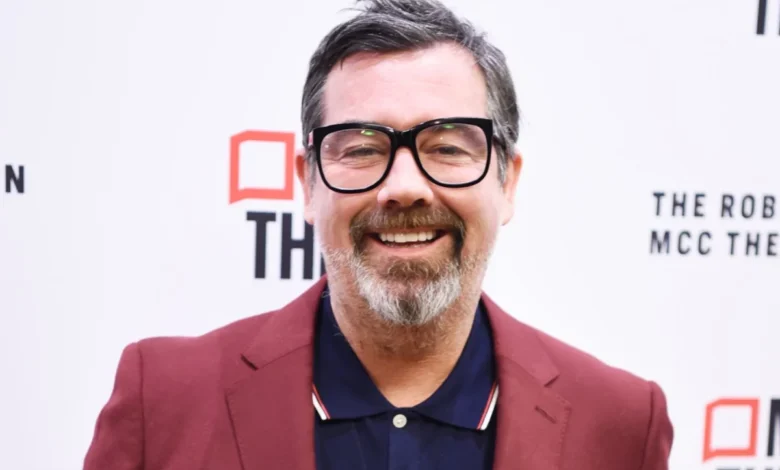
The artist passed away on Thursday in Manhattan. His mother confirmed the news to The New York Times, citing heart failure that culminated in sudden cardiac arrest. His death marks the premature end of a career defined by artistic reinvention, as Sheik successfully navigated the transition from a chart-topping pop soloist to one of the most respected voices in modern Broadway composition.
A Career Defined by Artistic Versatility
Duncan Sheik first entered the American cultural consciousness in 1996 with the release of his self-titled debut album. The record yielded his signature song, Barely Breathing, a track that became an omnipresent fixture of late-90s radio. The single’s longevity was remarkable by any metric; it spent 55 weeks on the Billboard Hot 100, peaking at No. 16. The song’s melancholic, introspective tone set the stage for a career that favored emotional resonance over the high-energy, synthetic sounds that began to dominate the pop landscape shortly thereafter.
However, Sheik’s professional trajectory shifted significantly at the turn of the millennium. As the music industry moved toward the bubblegum pop era of the early 2000s, Sheik found himself increasingly alienated from the mainstream recording environment. In a 2009 interview with NPR, he reflected on this transition, noting that while musical theater was not initially his primary interest, the creative constraints of traditional pop had become stifling. This desire to work within a different medium led to his collaboration with playwright Steven Sater on the musical Spring Awakening.
The production, based on Frank Wedekind’s 1891 play, proved to be a watershed moment for Broadway. With its rock-infused score, the show challenged the conventions of the traditional musical theater sound. It opened on Broadway in 2006 to critical acclaim, eventually sweeping the 2007 Tony Awards. Sheik’s work earned him the Tony Award for Best Original Score, along with a Grammy Award for Best Musical Show Album. The success of Spring Awakening not only redefined his career but also ushered in a wave of modern, pop-influenced scores that revitalized the Broadway stage for a younger generation of theatergoers.
Chronology of a Musical Life
Born in South Carolina, Sheik displayed a precocious interest in music. He often recalled his childhood years spent experimenting at the piano under the encouragement of his grandmother. This early improvisational freedom formed the bedrock of his compositional style.
- 1996: Sheik releases his self-titled debut album, featuring the breakout success Barely Breathing.
- 1998: His sophomore album, Humming, receives critical praise, cementing his status as a thoughtful, guitar-driven songwriter.
- 2006: The musical Spring Awakening makes its Broadway debut at the Eugene O’Neill Theatre.
- 2007: Sheik wins the Tony Award for Best Original Score, as the show collects eight total awards, including Best Musical.
- 2013: Sheik’s musical adaptation of American Psycho premieres at the Almeida Theatre in London, later transferring to Broadway in 2016.
- 2026: At the time of his passing, Sheik was actively involved in the development of a new Off-Broadway production, signaling a continued commitment to his theatrical work.
Public and Industry Response
The sudden nature of Sheik’s passing has triggered an outpouring of tributes from the entertainment industry. A spokesperson for the composer released a statement to People magazine, capturing the sentiment shared by those who knew him professionally and personally: "The world has lost a singular talent and a deeply influential voice in music and theater. He will be remembered for his sensitivity, wit, intelligence, and the depth of spirit he brought to those who knew and loved him."
Beyond his professional achievements, those close to him emphasized his role as a devoted family man. He is survived by his wife, Nora Ariffin, and their 7-year-old daughter, Ines. The private nature of his life outside the spotlight often stood in stark contrast to his public artistic profile, though he remained a respected figure in the New York arts community until his final days.

The Clinical Reality: Cardiac Health in Men Over 50
The medical circumstances surrounding Sheik’s death—specifically cardiac arrest—draw renewed attention to the persistent health risks faced by men entering their sixth decade. According to data from the Sudden Cardiac Arrest Foundation and the American Heart Association, men are disproportionately affected by sudden cardiac events compared to women.
Medical experts note that while a heart attack—often caused by a blockage in the coronary arteries—is a plumbing issue, sudden cardiac arrest is an electrical issue. In cardiac arrest, the heart’s electrical system malfunctions, causing it to stop beating abruptly. This condition is frequently linked to underlying cardiovascular disease, but it can occur without warning.
Research suggests that one in nine men will experience a sudden cardiac event before the age of 70. The risk increases significantly after age 50, a period often characterized by arterial stiffening, hormonal shifts, and the potential accumulation of chronic conditions such as hypertension, diabetes, or undiagnosed coronary artery disease. Physicians emphasize that routine screenings, including blood pressure monitoring, lipid panels (cholesterol checks), and, where appropriate, cardiac stress tests, remain the most effective tools for early intervention.
Legacy and Broader Implications
Duncan Sheik’s legacy is twofold. In the realm of pop music, he represents the tail end of the singer-songwriter movement that prioritized lyrical depth and organic instrumentation. In the realm of theater, he was a disruptor. By successfully translating the language of alternative rock into the narrative structure of a musical, he opened doors for other artists who sought to break the traditional mold of Broadway composition.
His passing leaves a void in the creative community, but his influence remains embedded in the scores of the productions he helped shape and the younger generation of composers he inspired. His ability to evolve—moving from the constraints of the Billboard charts to the expansive, collaborative world of the theater—serves as a template for artistic longevity.
As the industry mourns his loss, the focus remains on his contributions to the American songbook and the quiet, intellectual rigor he brought to every project he undertook. Whether through the radio hits of the 90s or the complex, atmospheric melodies of his theatrical work, Sheik’s career was marked by a commitment to authenticity that resonated with a wide, diverse audience. The theater world, in particular, will continue to feel his absence as his pending projects move forward without his guiding hand, serving as a final testament to a career that was, until its end, still in the process of becoming.
The medical community, meanwhile, continues to use cases like this to underscore the importance of cardiac awareness. While the loss of a public figure often centers on their creative output, the sudden nature of Sheik’s death provides a stark reminder of the physiological realities that persist regardless of professional success. It serves as an urgent prompt for individuals in his demographic to prioritize preventative care, as early detection of cardiovascular precursors remains the primary defense against the sudden, tragic loss of life at the peak of one’s creative powers.