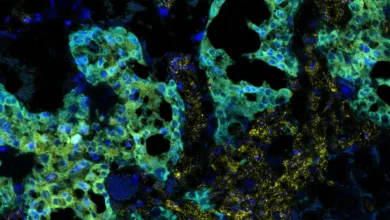
Vitamin B12 supplementation shows promise in reversing developmental defects linked to rare genetic conditions


A breakthrough discovery involving the essential nutrient vitamin B12 has unveiled a potential new pathway for addressing the debilitating symptoms of Verheij syndrome, a rare genetic disorder characterized by severe developmental delays, growth impairment, and short stature. Researchers, utilizing the microscopic nematode Caenorhabditis elegans as a biological model, have demonstrated that the introduction of high-dose vitamin B12 can effectively correct metabolic dysfunctions triggered by specific mutations in RNA splicing genes. This finding not only illuminates the complex relationship between cellular genetic processing and systemic metabolism but also provides a theoretical foundation for future clinical investigations into human therapeutics.
The research, led by the Max Planck Institute for Biology of Ageing, was published recently in a prominent scientific journal, marking a significant milestone in the study of RNA splicing—a fundamental biological mechanism that cells utilize to "edit" genetic instructions. By removing non-coding sequences known as introns from messenger RNA (mRNA) and stitching together the coding exons, the splicing process ensures that proteins are synthesized correctly. When this mechanism fails, the resultant proteins are often truncated or dysfunctional, leading to systemic cellular stress and the manifestation of various developmental syndromes.
The Mechanics of the Discovery
The study originated from a broad inquiry into the genetic determinants of lifespan. While investigating the functions of genes involved in RNA splicing, scientists identified a mutation that directly corresponded to the genetic profile associated with Verheij syndrome in humans. In the laboratory model of C. elegans, this mutation resulted in phenotypic expressions that mirrored human symptoms, most notably stunted growth and impaired metabolic efficiency.
Upon closer examination, the research team discovered that the mutation did not merely disrupt global protein production; rather, it had a highly specific, detrimental impact on metabolic pathways that rely on vitamin B12. This was a critical pivot point in the study: the researchers realized that the splicing defect specifically hindered the body’s ability to process or utilize cobalamin (vitamin B12), leading to a secondary metabolic deficiency that drove the developmental delays.
To test the hypothesis that this deficiency was the primary driver of the physical impairment, the team supplemented the worms’ environment with additional vitamin B12. The results were immediate and transformative. The metabolic pathways were restored to functional levels, and the developmental abnormalities were largely corrected. This observation suggested that the genetic mutation had created a "metabolic bottleneck" that, while not fixed, could be bypassed through nutritional intervention.
Chronology of the Investigative Process
The journey to this discovery began several years ago as a fundamental investigation into how aging affects the integrity of the genome.
- Phase I (Initial Screening): Researchers conducted genetic screens on thousands of C. elegans to isolate genes that influence longevity. During this period, the specific mutation related to RNA splicing was identified due to the worms’ observable growth defects.
- Phase II (Molecular Mapping): Between the second and third year of the project, the team performed rigorous metabolic profiling to determine why these specific mutants were failing to reach maturity. They identified the link to the B12-dependent pathways.
- Phase III (The B12 Intervention): Once the metabolic link was established, the team introduced B12 to the worms’ diet. The success of this intervention occurred in laboratory trials conducted throughout the fourth year of the research.
- Phase IV (Translational Validation): The final phase involved validating these findings against human data. By accessing public genomic databases and collaborating with clinical partners, such as the University Hospital Cologne, the team confirmed that the metabolic disruptions observed in the worms were consistent with biochemical markers found in human patients with Verheij syndrome.
Supporting Data and Scientific Context
Verheij syndrome, also known as 3-M syndrome or related to specific splicing factor mutations, is a rare genetic disorder that poses significant diagnostic and therapeutic challenges. The prevalence is low, making large-scale clinical trials difficult to organize. Consequently, the use of model organisms like C. elegans provides a high-throughput, ethical, and efficient method to screen for potential interventions.
Data from the study indicates that the specific metabolic pathway involved—the conversion of methylmalonyl-CoA to succinyl-CoA—is dependent on the B12-derived cofactor adenosylcobalamin. In the presence of the splicing mutation, the efficiency of this enzyme system drops significantly. The researchers noted that in the mutated worms, the accumulation of methylmalonyl-CoA reached toxic levels, inhibiting healthy development. The introduction of external vitamin B12 effectively "flooded" the system, allowing the remaining functional enzymes to compensate for the deficiency, thereby restoring homeostasis.
Perspectives from the Research Team
Jonathan Kölschbach, the first author of the study, emphasized the unexpected nature of the findings. "We were surprised to find that a change in a fundamental process of RNA processing had such a targeted effect on vitamin B12-dependent metabolism," Kölschbach stated. "Even more exciting was that we were able to largely correct the consequences of this change in the worm model using vitamin B12."
The implications of this finding are significant for the medical community. Adam Antebi, Director at the Max Planck Institute for Biology of Ageing and lead author, noted the broader utility of this research model. "Our study is a good example of how basic research on model organisms can provide new insights into human diseases," Antebi explained. "A fundamental biological question can thus give rise to a new approach that could also become medically relevant in the long term."
Clinical Implications and Future Outlook
While the results are undeniably promising, the medical community urges a measured approach. The transition from a nematode model to human clinical application is fraught with complexities. Human metabolism is significantly more intricate than that of C. elegans, and the bioavailability of vitamin B12 in patients with complex genetic disorders may be influenced by absorption issues, transport protein mutations, or other comorbidities not present in the worm model.
Dr. Hormos Dafsari, a neuropediatrician at the University Hospital Cologne who collaborated on the study, highlights that while blood samples from patients have shown evidence of metabolic changes consistent with the research, this does not yet constitute a treatment protocol. The next logical step involves conducting controlled, longitudinal studies to assess whether B12 supplementation is safe and effective in human cohorts.
Furthermore, this research raises a compelling question: could other diseases currently classified as "incurable" genetic splicing disorders actually be secondary metabolic disorders in disguise? If a significant portion of the damage caused by splicing mutations is, in fact, due to the downstream failure of specific nutrient-dependent metabolic pathways, then the therapeutic landscape for rare diseases may be far broader than previously imagined.
The Path Forward: Beyond Verheij Syndrome
The potential for this research extends well beyond Verheij syndrome. If metabolic disruptions are a common denominator in diseases caused by faulty RNA splicing, then scientists may be able to develop "metabolic bypass" therapies for a range of conditions. This would involve identifying the specific nutrient or metabolite that a defective cell is unable to produce or process, and providing it in a concentrated, supplemental form.
This paradigm shift moves the focus from attempting to "repair" the complex genetic machinery—a task that currently remains at the bleeding edge of gene therapy—toward the more manageable task of nutritional and metabolic support. While not a cure in the traditional sense, such interventions could significantly improve the quality of life, growth trajectories, and neurological outcomes for children suffering from rare genetic conditions.
As the scientific community moves toward peer-reviewed clinical trials, the focus will remain on establishing the safety profile of high-dose vitamin B12 supplementation in patients with rare syndromes. This will include monitoring for potential interactions with other medications and ensuring that the supplementation does not inadvertently suppress other essential metabolic functions.
In conclusion, the work conducted at the Max Planck Institute serves as a beacon of progress in the often-slow-moving field of rare disease research. By bridging the gap between basic biological inquiry and clinical observation, the team has provided a new framework for understanding how the smallest units of life—and the smallest of molecules—can have an outsized impact on human health. Whether this leads to a new standard of care for Verheij syndrome remains to be seen, but the discovery has undeniably opened a new door in the search for effective, accessible, and life-changing therapies.