AI-Powered Electrocardiogram Analysis Uncovers Hidden Warning Signals to Predict and Prevent Sudden Cardiac Death

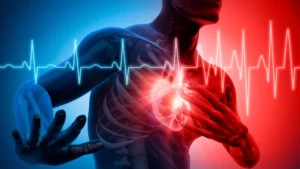
In the United States alone, more than 300,000 lives are claimed each year by sudden cardiac death, a catastrophic medical emergency that strikes without warning when the heart’s intrinsic electrical system abruptly malfunctions. Unlike a traditional myocardial infarction, or heart attack, which is typically triggered by a localized blockage in the coronary arteries restricting blood flow, sudden cardiac arrest represents an electrical breakdown where the heart ceases to pump blood altogether. Approximately 90 percent of individuals who experience sudden cardiac arrest outside of a hospital setting perish within minutes, rendering immediate cardiopulmonary resuscitation (CPR) and automated external defibrillator (AED) interventions a matter of absolute survival. While implantable cardioverter-defibrillators (ICDs) have long served as a crucial defense mechanism capable of delivering a life-saving electrical shock to restore normal heart rhythms, the medical community has continuously struggled to identify which specific patients are most at risk before a fatal episode occurs. Traditional clinical guidelines rely heavily on measuring ejection fraction—the percentage of blood pumped out of the heart’s main chamber with each contraction. However, this metric frequently fails to capture a vast demographic of vulnerable individuals, leaving thousands of unsuspecting patients unprotected while leading others to undergo unnecessary, invasive procedures.
To address this persistent diagnostic blind spot, a team of researchers at the University of California, Berkeley, has successfully harnessed the power of artificial intelligence to identify a previously undetected warning signature hidden within routine electrocardiogram (EKG) scans. Published in the prestigious scientific journal Nature, this breakthrough research demonstrates that advanced machine learning models can outperform conventional screening criteria, offering a transformative pathway to pinpoint patients facing imminent danger before it is too late. Lead author Dr. Ziad Obermeyer, an associate professor at UC Berkeley’s School of Public Health and an active emergency physician, emphasized the profound clinical dilemma that inspired the study. Medical decisions in acute and preventative cardiology remain extraordinarily complex, he noted, underscoring why artificial intelligence offers a vital paradigm shift not only in risk stratification, but in deepening humanity’s foundational understanding of the pathophysiology preceding cardiac arrest.
A Decade-Long Data Journey and International Validation
The realization of this diagnostic tool required an unprecedented logistical and analytical undertaking that spanned roughly ten years. Because high-resolution, population-scale medical data sets remain tightly guarded and exceptionally difficult to access due to privacy regulations and fragmented infrastructure, assembling the necessary information served as a formidable barrier. To overcome this, Dr. Obermeyer and his colleagues leveraged organizations he helped establish, namely Dandelion Health and Nightingale Open Science, which are dedicated to democratizing medical data access for artificial intelligence research. The foundational phase of the algorithm’s training relied upon six years of comprehensive EKG recordings sourced from Sweden’s unified national healthcare system. By cross-referencing these routine cardiac electrical scans with national death registry certificates, the researchers trained a deep-learning neural network to isolate subtle, complex morphological variations in the electrical waves—such as micro-fluctuations in spikes and intervals—that distinguished healthy individuals from patients with known cardiovascular vulnerabilities and those who ultimately succumbed to sudden cardiac arrest.
Following this initial training phase using over 440,000 Swedish EKG records, the research team subjected the algorithm to rigorous external validation across international borders. They evaluated the technology using thousands of anonymized patient records spanning a two-year period from a major health system in San Diego, California, alongside a completely distinct collection of patient data gathered in Taipei. This multi-continental testing framework was essential to ensure that the algorithm’s predictive capabilities were not overfitted to a single demographic, but instead possessed robust generalizability across diverse populations with varying genetic backgrounds, lifestyle factors, and clinical practices. The successful cross-validation across Sweden, the United States, and Taiwan established a strong empirical foundation for the technology, proving that the electrical biomarkers identified by the AI transcend regional healthcare disparities.
Outperforming Conventional Clinical Standards
When measured against the gold-standard metrics currently employed by cardiologists worldwide, the AI-driven approach demonstrated superior predictive accuracy. Conventional screening methodologies depend primarily on left ventricular ejection fraction thresholds to determine whether a patient qualifies for an implantable cardioverter-defibrillator. Using these traditional measurements, clinicians can isolate a high-risk patient cohort that experiences an annual sudden cardiac death rate of approximately 4.6 percent. By contrast, the newly developed AI system identified a distinct patient cohort exhibiting an annual mortality rate of 7 percent, illustrating a significantly enhanced capacity to stratify and isolate individuals facing extreme physiological risk.
Crucially, the algorithm’s utility extends far beyond merely refining existing high-risk categorizations; it successfully flagged a much broader population of at-risk individuals who would have been completely overlooked under prevailing medical guidelines. The vast majority of these patients would have been categorized as low-risk or moderate-risk under standard clinical evaluations. This revelation directly addresses a profound statistical paradox in modern cardiology: while roughly two-thirds of patients who receive costly, invasive ICD implants never actually experience a life-threatening arrhythmia requiring a therapeutic shock, thousands of seemingly healthy individuals drop dead unexpectedly each year without ever having raised a clinical red flag. By identifying these hidden casualties in advance, the technology holds the potential to redirect preventative interventions toward the exact demographic groups most likely to derive a tangible, life-saving benefit.
Broader Implications and Future Clinical Integration
The implications of integrating this AI system into global healthcare infrastructure are profound, particularly because the technology relies entirely on standard EKG images. Electrocardiograms are among the most inexpensive, non-invasive, and routinely collected diagnostic tools in modern medicine, performed millions of times daily in emergency departments, primary care clinics, and specialized cardiology centers around the world. Because the algorithm functions on pre-existing EKG formats, healthcare systems would not need to purchase expensive new machinery or implement burdensome diagnostic procedures to benefit from the advancement. Instead, hospitals could retroactively or prospectively screen digital EKG archives to flag patients requiring closer clinical follow-up.
Translating this research from academic journals into active clinical workflows is already underway. Dr. Obermeyer and his international collaborators have initiated pilot programs in the United States, Sweden, and Taiwan designed to integrate the algorithm directly into hospital EKG database networks. Under the proposed operational framework, when an outpatient or emergency room patient’s routine EKG generates a high-risk prediction score, attending physicians will be notified to reach out with targeted preventative options. Patients identified as vulnerable may be offered specialized ambulatory heart monitors—such as continuous EKG adhesive patches—to record their cardiac rhythms over extended periods in daily life. These prolonged monitoring windows will allow electrophysiologists to gather granular data on the precise biological mechanisms precipitating the warning signals detected by the AI.
Furthermore, the research points toward an entirely new frontier in medical science driven by artificial intelligence. Beyond serving as a predictive triage instrument, the algorithm has illuminated morphological heart patterns that currently defy conventional medical explanation. By analyzing what physiological changes inside the myocardium generate the specific electrical signatures recognized by the machine learning model, scientists hope to unlock novel biological insights into arrhythmogenic vulnerabilities. To bridge the gap between innovation and public access, the research team has launched a dedicated digital portal allowing individuals worldwide to register their interest in personal EKG risk assessments as the technology clears regulatory pathways for broader deployment. As these tools transition from laboratory validation to frontline medicine, they promise not only to drastically curb the annual toll of sudden cardiac death, but also to fundamentally reshape how medical science investigates and decodes the complex mysteries of the human heart.