Beyond Fiber: New Research Reveals How Plant Proteins Shape Human Health and Gut Microbiome Chemistry

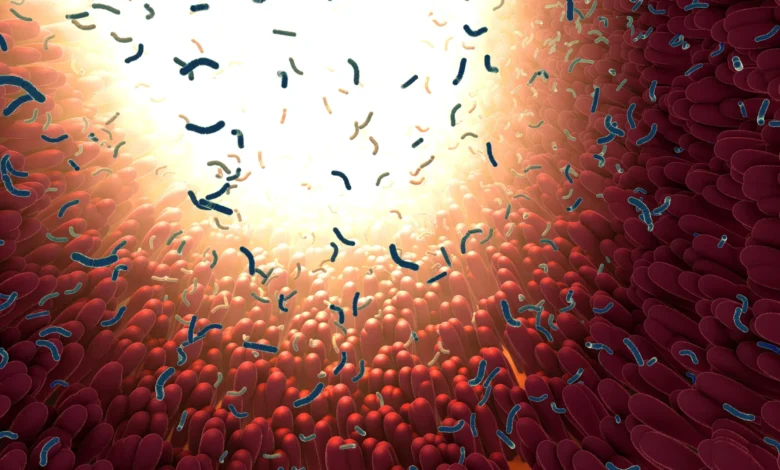
The long-held nutritional mantra of "eat more fiber" for a healthy gut is undergoing a significant scientific expansion. While dietary fiber has been the cornerstone of recommendations for digestive, metabolic, and cardiovascular health, new research spearheaded by scientists at the Ludwig Institute for Cancer Research at Princeton University suggests that fiber is only half the narrative. A pair of groundbreaking studies has identified a previously overlooked class of plant-based proteins—dubbed "proteins imitating fiber" or "Prif"—that work in tandem with fiber to fundamentally alter the chemical landscape of the human gut.
These findings, published recently in the Proceedings of the National Academy of Sciences (PNAS) and Nature Metabolism, challenge several foundational assumptions in microbiome science. By moving beyond the simple "fiber-is-good" model, researchers have mapped a complex, dual-action system in which plant components actively prevent the gut from cannibalizing its own protective barriers while simultaneously curbing the production of toxins that have been linked to kidney disease and cancer progression.
The Mechanism of Prif: Proteins Imitating Fiber
For decades, nutrition science has focused on the indigestible carbohydrates known as fiber. These compounds pass through the upper gastrointestinal tract intact, providing a vital energy source for the trillions of bacteria residing in the colon. However, Jenna AbuSalim and Joshua Rabinowitz, the leads of these recent studies, discovered that certain plant proteins follow a similar path.
These "Prif" proteins resist digestion in the stomach and small intestine, reaching the colon where they become substrate for microbial metabolism. When these proteins enter the gut, they do not act in isolation; they cooperate with fiber to shift the metabolic output of the microbiome. Specifically, this synergy encourages bacteria to process amino acids like tyrosine and phenylalanine in ways that favor the production of health-promoting compounds over harmful ones.
The significance of this discovery lies in the specific metabolites produced. Phenylalanine-derived metabolites, such as hippuric acid, are strongly correlated with healthy body weight and robust gut integrity. Conversely, tyrosine-derived compounds like p-cresol sulfate and phenol sulfate are known to accumulate in the blood of patients with kidney failure and have been implicated in promoting cancer-related systemic inflammation. By shifting the microbial environment to favor the former, Prif-rich diets may offer a powerful, non-pharmacological lever for improving systemic health.
The Protective Mucus Hypothesis: Why Fiber Matters
Perhaps the most startling revelation from the PNAS study is the mechanism by which the gut microbiome turns "toxic." Using isotope labeling—a technique where molecules are given a non-radioactive chemical signature to track their movement—the researchers observed that when the gut is starved of fiber, bacteria shift their dietary habits toward the host’s own anatomy.
The intestinal lining is coated in a thick, protective mucus layer that serves as a physical barrier against harmful bacteria. When fiber intake is low, gut microbes begin to degrade this mucus layer to harvest the proteins contained within it. The byproduct of this bacterial cannibalism is the production of harmful phenol metabolites.
The researchers found that dietary fiber acts as a "decoy," satisfying the bacteria so they do not need to consume the host’s mucus. When Prif proteins are added to this equation, they provide an alternative, nutrient-rich fuel source that steers bacterial metabolism away from the synthesis of harmful phenol toxins. This suggests a symbiotic relationship: fiber protects the gut barrier, and Prif proteins optimize the chemical output of the microbial community.
Challenging the Microbial Monopoly
While the first study focused on the mechanics of fiber and protein, the second study, published in Nature Metabolism in June, dismantled a pervasive dogma in the field: the idea that gut bacteria are the exclusive source of all circulating metabolites.
For years, the scientific community has assumed that indole metabolites—compounds derived from the amino acid tryptophan—are produced solely by gut bacteria. These indoles are of high clinical interest because they play critical roles in regulating inflammation, immune system response, and tumor growth. Consequently, global research efforts have heavily prioritized probiotics and dietary interventions aimed at "boosting" microbial production of these indoles.
However, the Princeton team’s use of isotope tracing in mice, rats, and human cells revealed that mammalian cells are far more metabolically active than previously realized. Many indole metabolites, including indole-3-lactate and indole-3-acetate, were found to be produced by the host’s own cells, independent of the microbiome.
To confirm this, researchers treated subjects with antibiotics to deplete the gut microbiome. While levels of microbially-exclusive compounds like p-cresol sulfate plummeted as expected, the levels of many other indole metabolites remained stable. This evidence suggests that the human body possesses its own sophisticated machinery for generating these protective compounds, a discovery that may force a redirection of therapeutic research.
Chronology of Discovery and Research Evolution
- 2020–2022: Initial investigations into the metabolic pathways of phenol and indole metabolites at the Ludwig Institute for Cancer Research at Princeton.
- June 2024: Publication in Nature Metabolism demonstrating that mammalian cells independently produce metabolites previously attributed entirely to gut bacteria.
- Late 2024: Publication in PNAS detailing the identification of "Prif" (proteins imitating fiber) and their role in preventing the degradation of the gut’s mucus lining.
- Current Status: Ongoing clinical observational studies to determine the threshold of Prif intake required to modulate metabolic health in humans.
Implications for Future Medicine and Nutrition
The implications of these studies are profound, potentially reshaping both clinical medicine and the consumer food industry. As Joshua Rabinowitz, a Professor in the Department of Chemistry and the Lewis-Sigler Institute for Integrative Genomics, noted, the goal is to develop "therapeutic interventions" based on a granular understanding of how diet dictates microbial output.
For nutritionists, the findings suggest that food labeling might eventually evolve to include "Prif" content alongside traditional fiber counts. For clinicians, the discovery that the body makes many of its own metabolites implies that for some patients, manipulating the microbiome might be less effective than supporting the body’s internal metabolic pathways.
Furthermore, these findings provide a cautionary note for the probiotics industry. If the target metabolites are being produced by the host’s own tissues, "replenishing" the gut with bacteria may not produce the intended clinical outcome. Precision medicine, therefore, must account for both the host’s genetic metabolic capacity and the influence of dietary inputs on the microbiome.
Looking Toward Clinical Application
While these results offer a roadmap for future dietary guidelines, the researchers emphasize that much of the work remains in the laboratory stage. The transition from animal models to human clinical trials is the necessary next step to confirm these pathways in complex human diets.
Dr. Rabinowitz and his colleagues are currently advocating for a more integrated approach to metabolic health. By viewing the human body and the microbiome as a singular, interacting chemical unit, researchers hope to identify specific dietary strategies that can suppress cancer-promoting metabolites while enhancing the body’s innate immune defenses.
As the scientific community digests these findings, the "fiber-plus-Prif" paradigm stands as a significant advancement in understanding the nexus of nutrition, immunology, and oncology. By clarifying which compounds are truly microbial and which are host-derived, researchers are not only refining our understanding of how we digest food—they are redefining the biological boundaries of the human body itself.
This research, supported by the Ludwig Institute for Cancer Research, the National Institutes of Health, and the National Institute of Diabetes and Digestive and Kidney Diseases, serves as a blueprint for the next generation of precision nutrition, moving beyond generalized health advice toward a targeted, molecular understanding of human biology.
Related posts: