Vitamin C May Hold the Key to Neutralizing Cancer-Causing Chemicals During Digestion

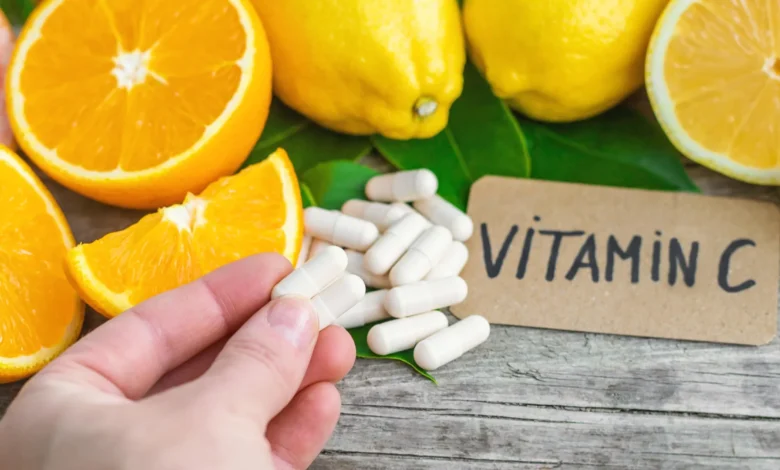
The complex interplay between human nutrition and gastrointestinal chemistry has long been a subject of intense scientific scrutiny, particularly regarding the formation of carcinogenic compounds during the digestive process. A groundbreaking study conducted by researchers at the University of Waterloo, recently published in the Journal of Theoretical Biology, suggests that vitamin C—a common antioxidant found in fruits and vegetables—may play a far more significant role in cancer prevention than previously understood. By utilizing sophisticated mathematical modeling to simulate the digestive tract’s chemical environment, researchers have identified a mechanism through which vitamin C may inhibit the formation of harmful substances triggered by the consumption of nitrates and nitrites.
The Problem of Nitrosation in the Modern Diet
Nitrates and nitrites are ubiquitous in the modern North American diet. While these compounds occur naturally in various vegetables, they are also widely used as preservatives in processed meats, such as bacon, salami, ham, and hot dogs, to prevent the growth of bacteria like Clostridium botulinum and to maintain color. Over the past several decades, the prevalence of these additives has raised concerns among public health officials and toxicologists.
Once ingested, nitrates and nitrites undergo a series of chemical reactions within the human body. One of the most concerning of these is the process of nitrosation. In the acidic environment of the stomach, nitrites can react with amines and amides—building blocks of proteins—to form N-nitroso compounds (NOCs). Epidemiological studies have frequently associated high levels of NOCs with an increased risk of various gastrointestinal cancers, particularly gastric and colorectal cancers. The challenge for researchers has been that the relationship between dietary nitrate intake and cancer risk has historically appeared inconsistent; some individuals who consume high amounts of nitrates show no increased risk, while others do. This study provides a potential explanation for these discrepancies: the presence of protective agents, specifically vitamin C, which may modulate these reactions.
Chronology of Nitrosation Research
The link between N-nitroso compounds and cancer risk is not a new discovery; it has been a focal point of nutritional science since the early 1970s. However, the scientific community has struggled to quantify the precise impact of dietary variables on the formation of these compounds in vivo.
- 1970s–1980s: Initial laboratory studies confirm that N-nitroso compounds are carcinogenic in animal models, leading to stricter regulations on nitrate levels in cured meats.
- 1990s: Researchers begin to investigate why some populations with high nitrate intake from vegetables do not experience the same cancer rates as those consuming nitrates through processed meats. Theories regarding the protective role of antioxidants begin to emerge.
- 2010s: Advancements in computational biology and mathematical modeling allow scientists to move beyond static lab tests, enabling the simulation of complex, multi-organ chemical interactions.
- 2024: The University of Waterloo study provides a new, holistic model that integrates the salivary glands, stomach, small intestine, and blood plasma to predict the chemical outcome of nitrate-vitamin C interactions.
The Mathematical Modeling Approach
The research team, led by Dr. Gordon McNicol and Professor Anita Layton, utilized a systems biology approach to create a mathematical model that tracks the flow and transformation of nitrogenous compounds. Unlike traditional experiments that might focus on a single beaker or a specific cell culture, this model accounts for the dynamic nature of human physiology.
The simulation integrates several critical components: the oral microbiome, which converts dietary nitrates into nitrites; the gastric environment, where low pH facilitates the nitrosation reaction; and the systemic circulation, which redistributes these compounds throughout the body. By introducing vitamin C into these simulated systems, the researchers observed a marked shift in the chemical pathway. Vitamin C acts as a reducing agent, effectively "intercepting" the nitrites before they can undergo the nitrosation process.
This finding offers a potential solution to the "nitrate paradox." For instance, spinach is high in nitrates but is also packed with vitamin C. The model suggests that the vitamin C inherently present in the vegetable acts as a buffer, neutralizing the chemical reaction that would otherwise produce harmful NOCs. In contrast, processed meats often contain nitrates but lack the necessary antioxidants to inhibit the subsequent reactions in the stomach.
Implications of Post-Meal Supplementation
One of the most actionable findings from the study involves the timing of vitamin C intake. The researchers simulated the effect of taking vitamin C supplements shortly after a meal containing nitrates. The results indicated a moderate but significant reduction in the formation of nitrosation products.
While these findings are promising, the researchers emphasize a note of caution. Because the study is based on mathematical simulations rather than clinical trials, it is not yet possible to quantify the exact reduction in cancer risk for an individual. Clinical trials are the next logical step to validate these findings in human participants. However, the current model provides a robust framework for determining the dosage and timing required for such experiments to be successful.
Official Responses and Academic Perspectives
Dr. Anita Layton, a Canada 150 Research Chair and a leading expert in mathematical modeling, underscored the significance of this work as a "mechanistic roadmap." According to Dr. Layton, the study does not merely suggest that vitamin C is "good"; it identifies the specific variables that influence the success or failure of the body’s natural defense mechanisms.
"Our model incorporates the key interacting drivers of these potentially harmful chemical reactions, including nitrite exposure, antioxidant intake, meal timing, gastric conditions, and oral microbiome activity," Dr. Layton stated. By mapping these interactions, the research team believes they can assist clinicians in identifying high-risk individuals—such as those with specific gastric pH levels or unique oral microbiome compositions—who may benefit most from targeted dietary interventions.
Broader Public Health Implications
The implications of this research extend to food policy and public health guidelines. If the protective effect of vitamin C is confirmed in clinical settings, it could lead to new dietary recommendations regarding the consumption of processed meats. Currently, the WHO’s International Agency for Research on Cancer (IARC) classifies processed meat as carcinogenic to humans. This study suggests that the "carcinogenicity" of these foods may be partially malleable based on the overall dietary context.
Furthermore, the study highlights the importance of the oral microbiome, which is responsible for the initial reduction of nitrates to nitrites. The model shows that the composition of bacteria in the mouth can significantly alter the chemistry of the stomach. Future research could explore how oral health and hygiene influence the formation of cancer-causing chemicals, bridging the gap between dental health and systemic disease prevention.
Future Research Directions
The research team acknowledges that their model is a simplification of the incredibly complex human digestive system. Future iterations of the model will likely incorporate individual genetic variations, differences in gastric transit time, and the influence of other dietary components, such as polyphenols and fiber.
The publication of "Vitamin C as a nitrosation inhibitor: A modelling study across dietary patterns and water quality" in the Journal of Theoretical Biology marks a significant milestone in computational nutrition. By providing a quantitative basis for the protective role of antioxidants, the University of Waterloo team has opened new avenues for personalized medicine. As researchers move toward experimental validation, the goal remains to transform these mathematical insights into practical, evidence-based health strategies that could eventually reduce the global burden of diet-related cancers.
Ultimately, this study reinforces the long-standing nutritional advice to prioritize a diet rich in whole, unprocessed foods. While the potential for vitamin C supplements to mitigate harm is an exciting development, the synergy of nutrients found in whole foods—where antioxidants and nitrates often coexist—remains the most effective strategy for maintaining gastrointestinal health. As the scientific community continues to explore these chemical pathways, the potential for precision nutrition to serve as a primary prevention tool becomes increasingly tangible.
Related posts: