Beyond the Brain: New Research Links Placental Health and Maternal Immunity to Autism Origins

For decades, the scientific community has grappled with the complex etiology of autism spectrum disorder (ASD). While large-scale genomic studies have successfully mapped hundreds of genetic variants associated with the condition, experts have long acknowledged that genetics alone cannot account for the full spectrum of developmental outcomes. Increasingly, researchers are turning their attention to the prenatal environment, investigating how external stressors during pregnancy—specifically maternal immune activation—might act as a catalyst for neurodevelopmental differences. A groundbreaking study conducted by researchers at the Cold Spring Harbor Laboratory (CSHL) has now provided a compelling, albeit preliminary, narrative that shifts the focus from the fetal brain to the placenta, suggesting that the origins of autism-like traits may be rooted in early-stage biological cross-talk between the maternal immune system and the developing fetus.
The study, led by CSHL Associate Professor Lucas Cheadle and postdoctoral researcher Irene Sanchez Martin, suggests that the placenta acts as a critical, and perhaps vulnerable, gateway. By examining the impact of simulated viral infections on pregnant mice, the team identified a specific temporal window during gestation where the developing fetus is exceptionally susceptible to immune-mediated damage. This discovery not only adds a new dimension to our understanding of prenatal development but also offers a biological hypothesis for the observed sex-based disparity in autism diagnoses, which occur significantly more often in males than in females.
Establishing the Window of Vulnerability: A Chronological Analysis
To understand the mechanics of maternal immune activation, the research team utilized a substance capable of mimicking a viral infection without introducing a live pathogen. This allowed for a controlled observation of how the maternal immune system responds to a perceived threat and how that response, in turn, cascades down to the fetal environment.
The researchers systematically triggered immune responses at various gestational stages to pinpoint the precise moment of maximum susceptibility. They discovered that mouse fetuses were most vulnerable to developmental disruptions when the immune response was triggered at 12.5 days into the pregnancy. The speed of the impact was startling: within just 24 hours of the simulated infection, approximately one-third of the affected fetuses displayed clear markers of developmental abnormality.
This finding is significant because it predates many of the developmental milestones previously assumed to be the primary targets of autism-related disruptions. For years, the scientific consensus focused on neurodevelopmental windows occurring later in gestation. By identifying a window at the 12.5-day mark, Cheadle’s team has effectively moved the "clock" of potential disruption back, suggesting that the foundational integrity of the placental-fetal interface is a critical, yet previously overlooked, checkpoint.
The Placental Gateway: Spongiotrophoblasts and Immune Tolerance
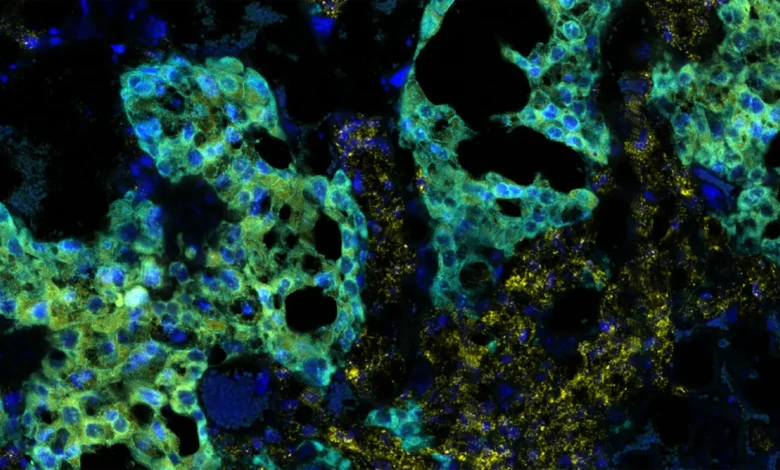
Central to this research is the placenta, an organ often described as the "black box" of pregnancy. It serves as the bridge between mother and fetus, facilitating nutrient exchange while simultaneously acting as a immunological barrier. The CSHL study identified a specific cluster of cells known as spongiotrophoblasts as the focal point of the observed damage.
Spongiotrophoblasts occupy a unique spatial niche in the mouse placenta, situated precisely where maternal and fetal cells interact. Their primary function is to maintain an environment of immune tolerance, ensuring the mother’s immune system does not identify the fetus as a foreign body—an essential task given that the fetus carries paternal genetic material distinct from the mother’s own.
In the CSHL experiments, the researchers observed that when the maternal immune system was activated, these spongiotrophoblasts sustained visible damage in male fetuses. This damage effectively compromised the protective "firewall" between the mother and the fetus. Once this barrier was breached, the mother’s immune response—designed to fight off the simulated virus—was able to interact directly with the fetus in a way that induced developmental abnormalities. This suggests that for some individuals, the development of autism-like traits is not an inherent brain defect, but rather a downstream consequence of a placental failure that allowed the maternal immune system to unintentionally interfere with fetal growth.
The Sex-Based Paradox: Why Males Are More Vulnerable
Perhaps the most thought-provoking aspect of the CSHL findings is the stark difference in outcomes between male and female fetuses. Across every iteration of the experiment, the autism-like traits were exclusive to the male subjects, while female fetuses continued their development along a standard trajectory.
This finding mirrors the epidemiological reality of human autism, where male diagnoses significantly outpace female ones. However, the CSHL research provides a biological nuance that challenges traditional assumptions. Because these differences manifested as early as 12.5 days into the pregnancy, they appeared before the onset of hormonal surges and long before sexual differentiation occurs in the brain.
"It’s really fascinating, because we’re looking at an age which precedes hormonal surges. It precedes sexual differentiation in the brain and many other regions," noted Cheadle. "So, it’s surprising there would be a sex-based difference this early."
The researchers propose two primary hypotheses for this disparity. First, male embryos may produce specific proteins or metabolic signals that trigger a more aggressive or unfavorable maternal immune response following an infection. Alternatively, female embryos may possess an inherent, perhaps more robust, protective mechanism that allows them to withstand the surge of maternal inflammation. If the latter is true, it raises the possibility that female biology contains "bio-markers of resilience" that could, in theory, be understood and eventually replicated or supported in male or more vulnerable pregnancies.
Implications for Future Therapeutic Interventions
While the transition from murine models to human clinical applications remains a significant leap, the implications of this research are profound. By shifting the focus from the brain to the placenta, the study opens new avenues for prenatal diagnostics and potential therapeutic interventions.
Currently, the scientific community is heavily invested in early intervention, which often begins after birth or upon the identification of behavioral markers in early childhood. If, however, the root cause of certain autism-like traits can be traced back to a specific gestational window and the health of the placenta, the potential for prenatal monitoring increases. Future medical protocols might eventually include screening for maternal immune markers or using ultrasound and biochemical analysis to monitor placental health during high-risk pregnancies.
Furthermore, this research reinforces the importance of maternal health as a foundational element of neurodevelopment. It validates the longstanding medical advice for pregnant individuals to avoid infections and maintain immune stability, while providing a concrete biological mechanism for why such precautions are necessary.
Moving Toward a More Granular Understanding
The team at Cold Spring Harbor Laboratory is already planning follow-up studies to further dissect these differences. The goal is to move beyond the "if" and into the "how" by analyzing the molecular signaling pathways that differentiate male and female placental responses. By identifying the exact mechanisms that protect female fetuses from inflammation-induced damage, researchers hope to uncover novel targets for treatments that could potentially be applied to high-risk pregnancies.
"We’re trying to understand how autism emerges in both sexes," Cheadle remarked. "The evidence says that there are potentially different mechanisms."
This research underscores a broader shift in modern medicine: the recognition that complex, multi-faceted conditions like autism cannot be viewed through a single lens. Whether it is genetics, epigenetic markers, or the complex, dynamic environment of the placenta, the path toward a comprehensive understanding of autism requires an interdisciplinary approach.
As the scientific community continues to digest these findings, it is clear that the "placenta-first" model offers a promising, albeit complex, new chapter in developmental neuroscience. While it does not negate the importance of genetic research, it provides a crucial environmental layer that may explain the mysterious variability in how autism develops. The research serves as a reminder that the nine months of gestation are not merely a period of growth, but a highly complex biological negotiation, the outcomes of which can have lifelong impacts on neurodevelopment. For now, the CSHL study serves as a critical signpost, pointing researchers toward the placenta as a vital site for future investigation in the ongoing quest to decode the origins of the autism spectrum.