Rewriting the Rules of Biology: How Chaska Walton and the Buck Institute Are Engineering Living Therapies for Alzheimer’s Disease

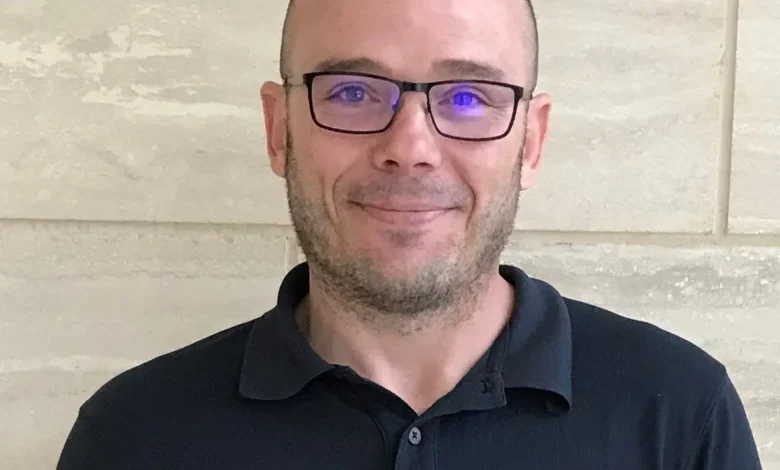
The landscape of modern biomedical research is increasingly defined by scientists who refuse to view complex neurodegenerative disorders as immutable biological destinies. At the forefront of this paradigm shift is Chaska Walton, a pioneering molecular bioscience researcher at the Buck Institute for Research on Aging. Operating within the laboratory of prominent aging researcher Julie Andersen, Walton has emerged as a visionary in synthetic biology and translational neuroscience. Their groundbreaking work recently earned them one of only nine prestigious National Institutes of Health (NIH) Transformative Research Awards granted nationwide, a $2.4 million endorsement of a bold mission: to develop smart, programmable cellular delivery systems capable of simultaneously targeting and treating the multifaceted pathologies of Alzheimer’s disease.
This recognition highlights a career defined by intellectual fearlessness and a continuous trajectory across international research hubs. Walton’s scientific journey bridges fundamental neuroscience, cellular engineering, and the burgeoning field of synthetic therapeutics, offering a fresh lens through which the global scientific community views brain aging and neurodegeneration.
A Transatlantic Scientific Evolution
Chaska Walton’s path to the Buck Institute is rooted in a lifelong curiosity about the human brain. Beginning their academic formation in Spain, Walton studied psychology and neuroscience at the Autonomous University of Barcelona before pursuing doctoral studies at the prestigious Cajal Institute in Madrid under the Spanish National Research Council (CSIC) and the Autonomous University of Madrid.
During their doctoral research, Walton made waves by challenging long-standing biological dogma. In a finding that paid subtle homage to the institute’s namesake, neurohistology pioneer Santiago Ramón y Cajal—who famously predicted that future science might one day overturn even his own established rules—Walton demonstrated that mature, post-mitotic neurons can indeed re-enter the cell cycle. This discovery shattered the conventional view that adult neurons are permanently locked outside of cellular replication pathways, laying an early foundation for Walton’s willingness to question biological boundaries.
Following this foundational work, Walton transitioned to the Buck Institute in Novato, California, an institution globally renowned for extending healthspan and combating age-related diseases. At the Buck, Walton’s research focus evolved from probing the basic mechanisms of neuronal vulnerability to engineering complex, synthetic biological platforms. Today, their work occupies the cutting-edge intersection of neuroscience, immunology, and synthetic biology, utilizing programmable cellular agents such as Chimeric Antigen Receptor Regulatory T cells (CAR-Tregs) and intelligent drug delivery systems to combat Alzheimer’s pathology.
The NIH Transformative Research Award: A Rare Distinction
The $2.4 million NIH Transformative Research Award bestowed upon Walton is designed to support exceptionally innovative cross-cutting research projects that have the potential to create new scientific paradigms. By selecting only nine recipients across the United States, the NIH targets high-risk, high-reward proposals that traditional grant mechanisms might overlook due to their unconventional nature.
Walton’s awarded project addresses one of the most stubborn bottlenecks in modern pharmacology: the targeted delivery of therapeutics across the blood-brain barrier to combat multiple concurrent disease mechanisms. Traditional pharmaceutical development relies heavily on systemic drug administration, which often results in off-target toxicity, poor penetration into the central nervous system, and an inability to address the cascading, multi-system failures characteristic of neurodegenerative disorders. The NIH funding provides Walton’s lab with the vital resources required to advance their smart delivery platforms from conceptual design toward preclinical validation.
Rethinking Modern Medicine: The Broken Car Analogy
To understand the urgency and originality of Walton’s research, one must examine their critique of contemporary medical interventions for complex diseases. In a candid assessment of modern drug development, Walton draws a vivid analogy to illustrate why clinical trials for Alzheimer’s disease have repeatedly fallen short of expectations.
"Think of a complex disease like a car," Walton explains. "Say the disease starts with a flat tire. We keep driving the car with the flat tire and this affects the wheel itself, which is grinding against the asphalt. Now the wheel is damaged and the shaft holding the wheel is strained. The shaft breaks and the car grinds against the road, leaking oil and ultimately damaging the engine. The approach of modern medicine is to fix one of those things only. We either fix the flat tire, or the wheel, or the shaft, or the engine. We never fix all of them at the same time. The crazy thing is that we expect the car to work by fixing just one thing."
In the context of Alzheimer’s disease, this single-target philosophy has dominated clinical research for decades. Pathologically, Alzheimer’s is not a singular event but a constellation of concurrent dysfunctions: the accumulation of amyloid-beta plaques, the hyperphosphorylation and aggregation of tau proteins, chronic neuroinflammation, reactive microgliosis, and progressive synapse dysfunction.
Despite the recognition of these multiple pathologies, nearly all contemporary clinical trials evaluate pharmaceutical candidates designed to intercept only one of these mechanisms at a time—such as clearing amyloid plaques or dampening inflammation in isolation. Yet, the medical establishment routinely anticipates a comprehensive clinical recovery. Walton argues that this systemic disconnect explains the high failure rate of Alzheimer’s therapeutics in late-stage clinical trials.
Biological Computing and Living Therapeutics
To overcome the limitations of conventional pharmacology, Walton’s lab is pioneering the use of engineered immune cells that act as living, microscopic physicians patrolling the central nervous system. Rather than relying on mechanical nanorobots popularized by science fiction, the research team is harnessing the natural migratory and sensing capabilities of biological cells, upgrading them with synthetic genetic circuits.
These engineered cellular platforms are designed to detect the distinct biochemical signatures of Alzheimer’s pathology in real-time. Upon encountering specific disease markers, the modified immune cells synthesize and release precise therapeutic payloads directly at the site of tissue damage. Crucially, these smart delivery systems are programmed to cease production and clear out once the pathological trigger is neutralized, mimicking the self-limiting feedback loops inherent in a healthy immune response.
This synthetic biology approach effectively transforms living cells into intelligent biological computers capable of multi-drug delivery with micrometer-scale accuracy. By addressing amyloid deposition, tau toxicity, and neuroinflammation simultaneously, Walton’s platform aims to restore systemic homeostasis to the diseased brain rather than merely mitigating a single symptom.
Philosophy of Science: We Are Editable Code
Underpinning Walton’s ambitious technical goals is a foundational philosophy regarding the nature of biology itself. Rejecting biological fatalism, Walton views living systems through the lens of information science.
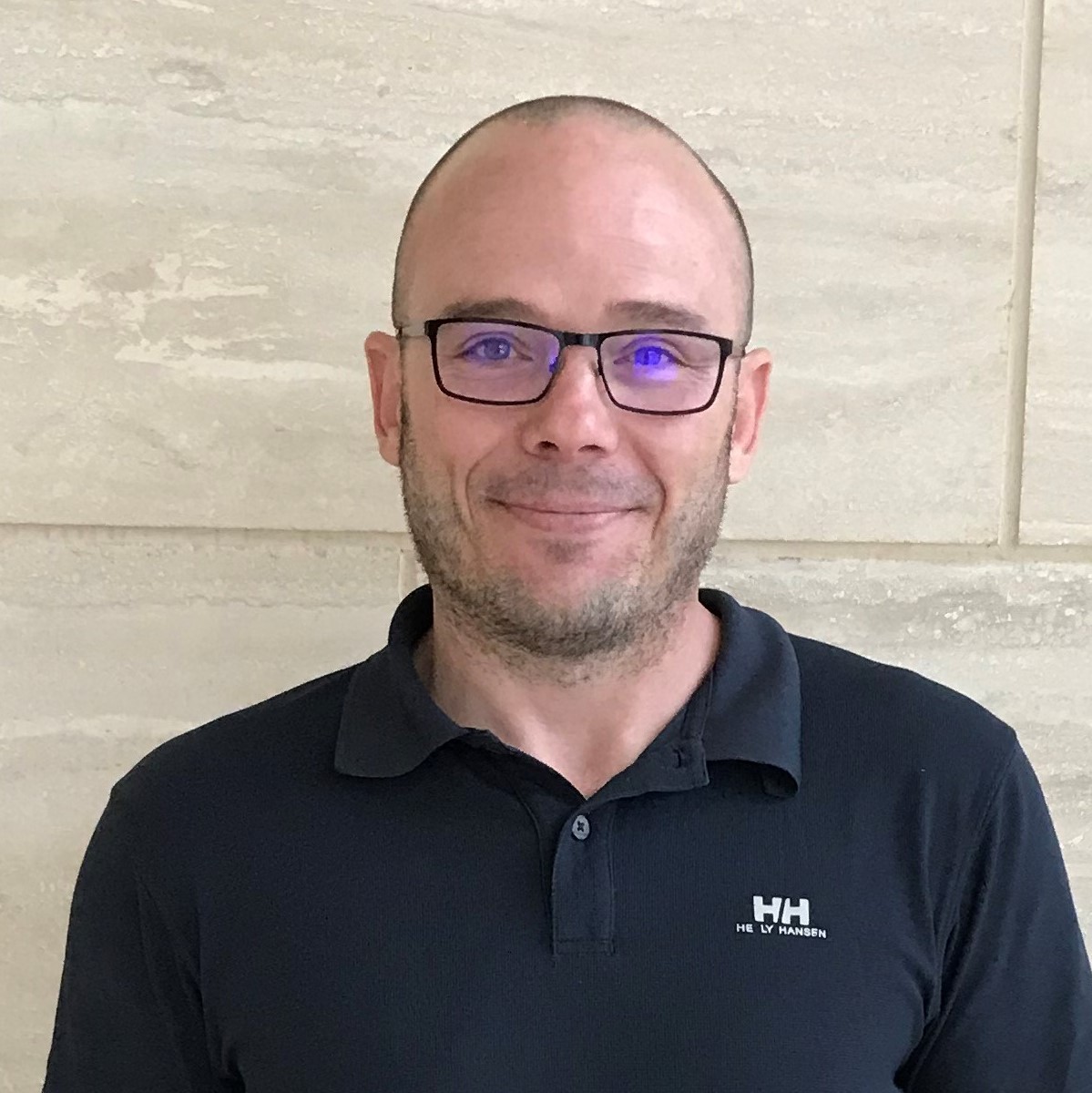
"We are, in essence, editable code," Walton asserts. "Some argue that we cannot edit ourselves, but that misses the point. It is not about whether we can do something today. In the Stone Age, humans could not fly, yet flight was never forbidden by physics. The limitation was technological, not fundamental. Likewise, biology does not forbid rewriting ourselves. We are editable code. It did not have to be that way, but it is."
This perspective drives the culture of the Walton lab at the Buck Institute, where researchers are encouraged to look beyond current technological constraints and design solutions based purely on physical and biological principles. Walton anticipates a future where science routine designs proteins that natural evolution has never produced, constructs entirely novel cell types with specialized functions, and successfully engineers or duplicates complex tissues.
"We will design proteins that evolution would never produce and express them in our cells," says Walton. "We will make new cell types with new functions. We will make new organs and duplicate others. Whether we can or cannot do it today is irrelevant. It will happen because we are editable. It is not forbidden by biology. There are no rules. We are just code. THERE. ARE. NO. LIMITS."
Broader Implications for Translational Medicine and Aging Research
The implications of Walton’s research extend far beyond Alzheimer’s disease. As the global population ages, the prevalence of neurodegenerative and multi-system chronic diseases is projected to rise dramatically, placing unprecedented economic and social burdens on healthcare infrastructure.
If validated through preclinical models and future clinical trials, the smart cellular delivery platform developed at the Buck Institute could establish a entirely new blueprint for pharmacology. Diseases that have historically been classified as incurable or progressive—including Parkinson’s disease, amyotrophic lateral sclerosis (ALS), and various autoimmune disorders—could transition from untreatable conditions to manageable, reversible biological states.
Furthermore, the work validates the strategic mission of the Buck Institute, which approaches aging not as an inevitable decline to be passively managed, but as a malleable biological process that can be systematically interrogated, engineered, and ultimately altered. By breaking down the traditional silos between immunology, neuroscience, and synthetic engineering, researchers like Chaska Walton are helping to turn the theoretical promise of precision regenerative medicine into an imminent clinical reality.