Engineering the Future of Medicine: Inside the Buck Institute’s Revolutionary Approach to Alzheimer’s Disease


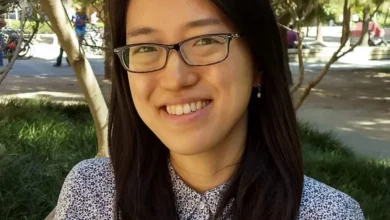
The landscape of modern medicine is standing on the precipice of a profound paradigm shift, moving away from reactive treatments and toward programmable, biological interventions. At the forefront of this transformation is Dr. Chaska Walton, a pioneering research scientist at the renowned Buck Institute for Research on Aging. Operating within the laboratory of Dr. Julie Andersen, Walton is spearheading an ambitious initiative to redesign how the human body combats neurodegenerative conditions. Backed by a prestigious and highly competitive $2.4 million Transformative Research Award from the National Institutes of Health (NIH)—an honor bestowed upon only nine researchers nationwide—Walton’s work focuses on developing smart, living delivery systems capable of targeting multiple pathologies of Alzheimer’s disease simultaneously.
This groundbreaking research marks a departure from traditional pharmacological interventions. For decades, the medical community has relied on systemic drug delivery methods that flood the entire body with therapeutics, often resulting in severe side effects while struggling to cross the formidable blood-brain barrier. Walton’s approach reimagines these limitations by merging neuroscience, synthetic biology, and translational medicine, creating a conceptual framework where living cells are engineered to function as microscopic physicians patrolling the human body.
The Chronology of Discovery: From Classical Neuroscience to Synthetic Biology
Dr. Walton’s scientific trajectory reflects a lifelong dedication to decoding the complexities of the central nervous system. Beginning with foundational studies in psychology and neuroscience at the Autonomous University of Barcelona, Walton’s academic path led to doctoral work at the prestigious Cajal Institute in Madrid under the auspices of the Spanish National Research Council (CSIC) and the Autonomous University of Madrid.
During this doctoral tenure, Walton challenged long-standing biological dogma by demonstrating that mature, terminally differentiated neurons can re-enter the cell cycle. This discovery drew conceptual inspiration from the pioneering neuroscientist Santiago Ramón y Cajal, whose historical belief that the science of the future would continually overturn past certainties continues to guide Walton’s methodology.

Transitioning from fundamental neurobiology to the Buck Institute in California, Walton shifted focus toward the underlying mechanisms of neuronal vulnerability and aging. Recognizing that neurodegeneration is not an inevitable consequence of aging but rather a pliable biological process, the research team began developing synthetic immune-cell therapies. This evolution culminated in the current focus on programmable chimeric antigen receptor regulatory T-cells (CAR-Tregs) and smart-delivery platforms designed specifically to intercept Alzheimer’s disease at its earliest, most covert stages.
Decoding the Science: Living Cells as Microscopic Physicians
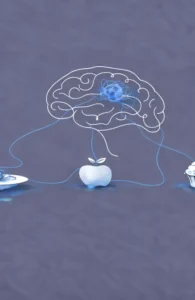
At the heart of Walton’s recent breakthroughs is a sophisticated genetic engineering technique that transforms ordinary immune cells into sentient therapeutic agents. In laboratory settings, researchers have successfully modified cells to autonomously detect amyloid-beta senile plaques—the pathological hallmark of Alzheimer’s disease. Upon encountering these plaques, the engineered cells respond by locally producing and secreting Leqembi, an FDA-approved amyloid-beta-clearing monoclonal antibody.
This methodology effectively reduces the concept of a physician to a nanoscale level, operating at approximately 20 nanometers. While traditional clinical diagnostics rely on macroscopic symptom presentation and delayed imaging techniques, engineered cellular sentinels scrutinize the microenvironment continuously. By monitoring tissue health in real time, these living delivery systems bypass the latency period inherent in traditional medical diagnoses, intervening long before structural brain damage manifests clinically.
Furthermore, complex chronic diseases rarely stem from a single biological malfunction. Alzheimer’s and related dementias involve a cascade of neuroinflammatory, metabolic, and protein-misfolding anomalies. Conventional pharmacology typically addresses these targets sequentially or via separate drug regimens. Walton’s engineered cells, however, can be programmed to synthesize and deliver combination therapies locally, targeting multiple pathological pathways concurrently without exposing off-target organ systems to systemic toxicity.
Data, Funding, and Institutional Support
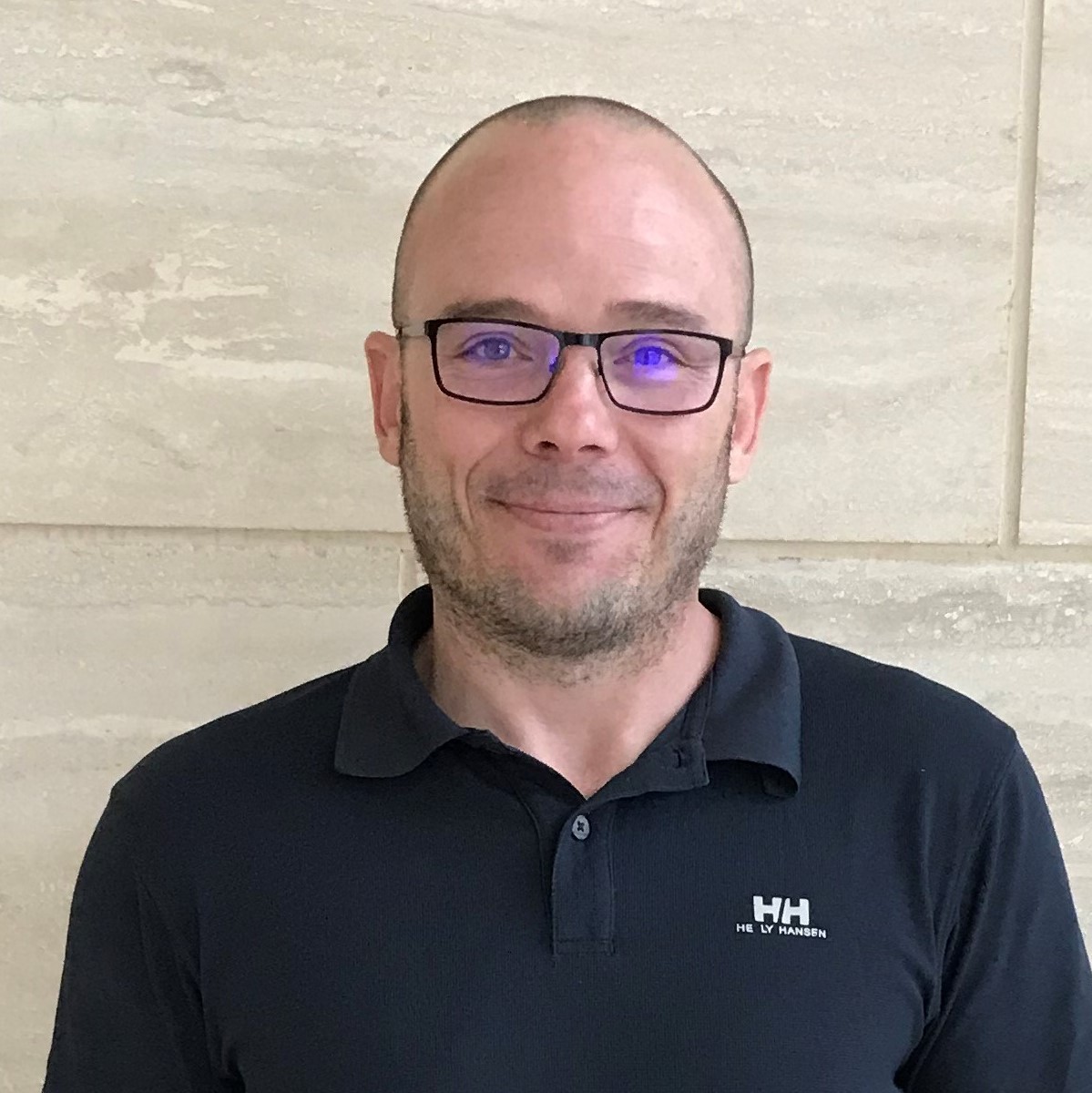
The urgency and scientific validity of Walton’s research are underscored by substantial federal investment. The $2.4 million NIH Transformative Research Award granted to Walton highlights the federal government’s strategic interest in high-risk, high-reward proposals capable of disrupting conventional paradigms in biomedical science. Out of hundreds of national submissions, the NIH select committee chose only nine projects for this funding tier, cementing the Buck Institute’s role as a global epicenter for aging research.
The financial backing enables the Andersen lab to scale its operations, moving from foundational proof-of-concept models toward preclinical validation. As research expenditures in Alzheimer’s disease continue to mount globally—with economic costs projected to reach trillions of dollars annually as populations age—interventions that halt disease progression before symptom onset represent the most viable pathway toward fiscal and clinical sustainability.
Broader Impact and Implications for Healthcare Systems
The long-term implications of deploying a secondary, engineered immune system extend far beyond neurology, threatening to rewrite the economics and delivery models of global healthcare. If successful, this technology will transition human medicine from a reactive, clinic-dependent enterprise to an autonomous, continuous maintenance model.
Instead of patients visiting hospitals periodically for symptom management, intravenous infusions, or high-cost diagnostic imaging, engineered immune cells would reside within the host for years, self-renewing and adapting as needed. Therapeutic proteins would be manufactured on-demand inside the tissue microenvironment, eliminating the supply chain, storage, and administration hurdles associated with traditional biologics.
Fact-based analyses of this synthetic biology approach suggest several transformative outcomes for healthcare infrastructure:

- Reduction in systemic toxicity: Localized production ensures that potent therapeutic antibodies do not circulate indiscriminately, mitigating adverse side effects.
- Alleviation of clinical burdens: Proactive detection minimizes the frequency of late-stage interventions, reducing long-term nursing and hospital care demands.
- Cost-efficiency in drug manufacturing: Utilizing the human body as an endogenous bioreactor reduces the necessity for large-scale industrial synthesis and cold-chain distribution of fragile protein drugs.
Looking Ahead: The Next Decade of Translational Medicine
As Dr. Walton and the research team at the Buck Institute look toward the next five to ten years, the primary objective is transitioning these synthetic biology platforms from advanced animal models to human clinical trials. Beyond the technical milestones, Walton emphasizes the cultural shift required for mainstream society to accept engineered living therapeutics as standard medical practice.
The vision of a human body housing a self-renewing, self-regulating surveillance network challenges traditional definitions of pharmacology and human biology. Yet, as pioneering laboratories continue to validate these mechanisms, society draws closer to an era where devastating neurodegenerative conditions like Alzheimer’s disease can be intercepted silently, effectively neutralizing pathology before the patient ever realizes a threat exists. Through relentless cross-disciplinary innovation, the boundaries of human healthspan are being redrawn from the inside out.