Global Child Mortality Progress Stalls as 4.9 Million Under-Fives Died in 2024, UN Report Warns of Looming SDG Failure

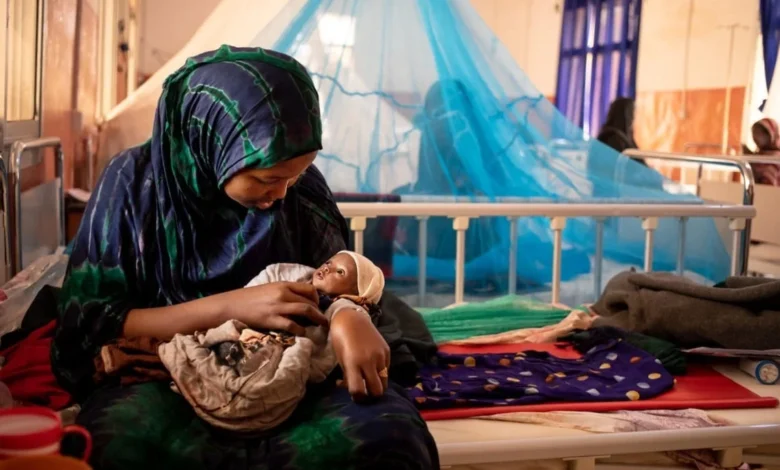
An estimated 4.9 million children tragically died before their fifth birthday in 2024, including 2.3 million newborns, according to stark new estimates released by the United Nations Inter-agency Group for Child Mortality Estimation (UN IGME). This devastating toll underscores a worrying deceleration in global child survival efforts, with the pace of reduction in under-five mortality slowing by more than 60 percent since 2015, despite significant advancements achieved in the preceding decades. Most of these deaths are unequivocally preventable, highlighting critical gaps in access to proven, low-cost interventions and quality health care systems worldwide.
A Decade of Progress, A Turning Point in Decline
The journey towards improved child survival has seen remarkable strides over the past two decades. From the year 2000, spurred by the Millennium Development Goals (MDGs), global under-five deaths plummeted by more than half. The MDG 4 target aimed to reduce child mortality by two-thirds between 1990 and 2015, a goal that many regions made substantial progress towards, demonstrating the immense potential of concerted global action and targeted health initiatives. This era saw widespread implementation of vaccinations, improved access to clean water and sanitation, and effective treatments for common childhood diseases.
However, the momentum has faltered since 2015, coinciding with the transition to the Sustainable Development Goals (SDGs). SDG Target 3.2 calls for an end to preventable deaths of newborns and children under 5 by 2030, with all countries aiming to reduce neonatal mortality to at least as low as 12 deaths per 1,000 live births and under-5 mortality to at least as low as 25 deaths per 1,000 live births. The current trajectory, as revealed by the UN IGME report, indicates that without urgent and accelerated action, many nations risk falling short of these ambitious yet achievable targets, jeopardizing the health and future of millions of children. The slowdown since 2015 is a critical indicator that the world needs to re-evaluate its strategies and intensify investments.
Unprecedented Insights: Causes of Death Unveiled
For the first time, this year’s "Levels & Trends in Child Mortality" report provides an integrated and detailed picture of the causes behind these deaths across different age groups, offering invaluable insights for targeted interventions. This achievement is made possible by the full integration of estimates from the Child and Adolescent Causes of Death Estimation (CA-CODE) group, a research consortium led by the Johns Hopkins Bloomberg School of Public Health. By unifying global child mortality and cause-of-death data, the report offers the clearest and most comprehensive understanding to date of where children are dying and, crucially, why.
The Silent Crisis: Malnutrition’s Deadly Grip
One of the most alarming revelations from the report is the profound impact of severe acute malnutrition (SAM). In 2024, more than 100,000 children aged 1-59 months, representing 5 percent of deaths in this age group, died directly from SAM. This figure, however, likely substantially underestimates the true burden. Malnutrition acts as a devastating multiplier, weakening children’s immune systems and dramatically increasing their susceptibility to and severity of common childhood diseases. When indirect effects are considered, the toll is far greater, as mortality data frequently fail to capture SAM as an underlying cause of death, leading to underreporting.
The countries grappling with the highest numbers of direct deaths attributable to SAM include Pakistan, Somalia, and Sudan. These nations are often simultaneously affected by intersecting crises such as conflict, climate shocks, and economic instability, which exacerbate food insecurity and limit access to essential nutrition services. For instance, in regions experiencing prolonged drought or conflict, food systems collapse, leading to widespread acute malnutrition. Interventions like Ready-to-Use Therapeutic Food (RUTF) have proven highly effective in treating SAM, yet their availability remains a critical challenge in many high-burden areas.
The Vulnerability of Newborns: A Critical Window
The first month of life remains the most perilous period for children, with newborn deaths accounting for nearly half (2.3 million) of all under-five mortalities. This stark figure reflects a slower rate of progress in preventing deaths around the time of birth compared to older children. The leading causes among newborns are predominantly complications arising from preterm birth (36 percent) and complications during labor and delivery (21 percent). Neonatal sepsis and congenital anomalies also contribute significantly to this tragic toll.
These largely preventable conditions underscore an urgent and persistent need for robust investments in quality antenatal care, ensuring pregnant women receive essential health services and monitoring. Furthermore, the presence of skilled health-care personnel at every birth is paramount, as is access to comprehensive care for small and sick newborns, including specialized facilities and equipment. Strengthening essential newborn services, from resuscitation to infection prevention, could drastically reduce these early deaths. The lack of trained professionals, particularly in remote and rural areas, coupled with inadequate infrastructure, poses significant barriers to achieving better outcomes for newborns.
Persistent Threats: Infectious Diseases Beyond Infancy
Beyond the critical first month, infectious diseases continue to be major killers, claiming the lives of millions of children. Malaria remains the single largest killer in the 1-59 month age group, responsible for 17 percent of deaths. The vast majority of these deaths occur in endemic areas of sub-Saharan Africa. After steep declines between 2000 and 2015, progress towards reducing malaria mortality has worryingly slowed in recent years. This slowdown is particularly pronounced in a handful of endemic countries such as Chad, the Democratic Republic of the Congo, Niger, and Nigeria. Here, ongoing conflict, severe climate shocks, the spread of invasive mosquitoes, and drug resistance to antimalarial treatments continue to impede access to vital prevention and treatment services, including insecticide-treated bed nets and effective therapeutics.
Pneumonia and diarrhoea, two other highly preventable and treatable infectious diseases, also contribute substantially to child mortality. Pneumonia, often caused by bacterial or viral infections, can be prevented through vaccination (e.g., pneumococcal conjugate vaccine) and treated with antibiotics. Diarrhoeal diseases, frequently linked to unsafe water and poor sanitation, are preventable through improved hygiene, safe drinking water, and sanitation facilities (WASH initiatives), and treatable with oral rehydration salts (ORS) and zinc supplements. Despite the availability of these effective interventions, their reach remains insufficient in the most vulnerable communities.
The Overlooked Age Group: Adolescents and Youth (5-24 Years)
The UN IGME report also casts a light on the often-overlooked mortality among older children, adolescents, and youth. An estimated 2.1 million individuals aged 5–24 died in 2024. While infectious diseases and injuries remain leading causes among younger children in this bracket, the risk profile shifts dramatically during adolescence. For girls aged 15–19, self-harm has emerged as the leading cause of death, underscoring a growing global mental health crisis among young people. Among boys in the same age group, road traffic injuries represent the primary cause of death, highlighting the urgent need for improved road safety measures and awareness campaigns, particularly in rapidly urbanizing regions. These causes point to the complex interplay of social, environmental, and behavioral factors affecting older children and young adults, demanding comprehensive public health strategies that extend beyond early childhood.
Profound Geographic Disparities and Vulnerability
Child deaths continue to be heavily concentrated in a small number of regions, reflecting deep-seated inequalities in access to health services and overall development. In 2024, sub-Saharan Africa bore the brunt of the crisis, accounting for a staggering 58 percent of all under-five deaths globally. Within this region, leading infectious diseases were responsible for 54 percent of all under-five deaths, a stark contrast to more developed regions where this proportion drops dramatically to 9 percent in Europe and Northern America, and even further to 6 percent in Australia and New Zealand. These profound disparities are a direct consequence of unequal access to proven, life-saving interventions, resilient healthcare infrastructure, and socioeconomic stability.
Southern Asia also remains a significant hotspot, accounting for 25 percent of all under-five deaths. Here, mortality is largely driven by complications in the first month of life, including preterm delivery, birth asphyxia/trauma, congenital anomalies, and neonatal infections. These conditions are largely preventable through investments in quality antenatal care, the availability of skilled health-care personnel at birth, specialized care for small and sick newborns, and essential newborn services. The report highlights that children born in fragile and conflict-affected countries face an even graver prognosis, being nearly three times more likely to die before their fifth birthday than those born elsewhere. These settings often have collapsed health systems, disrupted supply chains, and widespread displacement, making access to even basic health services a monumental challenge.
The Funding Crisis: An Economic Imperative for Investment
A critical factor undermining progress in child survival is the shifting global development financing landscape. Crucial maternal, newborn, and child health programs are operating under growing pressure due to global budget cuts and competing humanitarian crises. This financial strain threatens to erode the gains made over decades and impede future advancements. Surveys, robust health information systems, and the core functions that underpin effective care all require sustained and predictable funding, not only to protect existing progress but also to accelerate it.
However, the evidence unequivocally demonstrates that investments in child health are among the most cost-effective development measures available. Proven, low-cost interventions—such as routine vaccinations, effective treatment for severe acute malnutrition, and skilled care during childbirth—deliver some of the highest returns in global health. These investments not only save lives but also improve productivity, strengthen economies by creating healthier workforces, and ultimately reduce future public spending on healthcare. The report vividly illustrates this economic imperative, stating that every dollar invested in child survival can generate up to twenty dollars in social and economic benefits. This makes child health not just a moral imperative, but a sound economic one.
Urgent Call to Action from Global Leaders
The findings have elicited strong reactions and unified calls for action from global health leaders. Catherine Russell, UNICEF Executive Director, expressed deep concern, stating, “No child should die from diseases that we know how to prevent. But we see worrying signs that progress in child survival is slowing – and at a time where we’re seeing further global budget cuts.” She emphasized that history has shown what is possible with global commitment and that sustained investment and political will are crucial for future generations.
Dr. Tedros Adhanom Ghebreyesus, WHO Director-General, highlighted the extreme vulnerability of children in crisis zones. “Children living amid conflict and crisis are nearly three times more likely to die before their fifth birthday. We must protect essential health and nutrition services and reach the most vulnerable families so every child has the chance not only to survive, but to thrive,” he urged.
Monique Vledder, World Bank Group Director for Health, stressed the necessity of immediate implementation. "These findings are a collective call to speed up implementation of the proven, scalable solutions we know are within reach," she said, reaffirming the World Bank Group’s commitment to accelerating access to quality primary health services for more children and families. Mr. Li Junhua, Under-Secretary-General for Economic and Social Affairs, echoed the sentiment, stating, “The latest estimates from the United Nations Inter-agency Group for Child Mortality Estimation are a stark reminder that progress on child survival is slowing and too many countries are off track to meet the Sustainable Development Goals.” He called for renewed political commitment, sustained investment in primary health care, and stronger data systems.
Dr. Li Liu, an associate professor at the Johns Hopkins Bloomberg School of Public Health and co-PI of CA-CODE, underscored the scientific consensus. “The science is clear: targeted investments in primary health care, maternal and newborn health services, routine immunization, nutrition programmes, and quality and timely data systems can save millions of lives.”
To accelerate progress and save millions of lives, governments, donors, and partners must heed these calls. This involves strengthening primary healthcare systems, investing in resilient health workforces, ensuring equitable access to vaccines and essential medicines, scaling up nutrition programs, and addressing the root causes of vulnerability, including conflict, climate change, and poverty. The collective responsibility to protect children, particularly those in the most fragile settings, is paramount to ensuring that every child has the chance not only to survive but to thrive and contribute to a healthier, more prosperous future. The path to achieving the Sustainable Development Goals for child survival by 2030 is challenging, but with renewed global commitment and strategic investment, it remains within reach.
Related posts: