Vitamin C Identified as Potential Therapeutic Agent to Combat Ferro-aging and Cellular Iron Accumulation

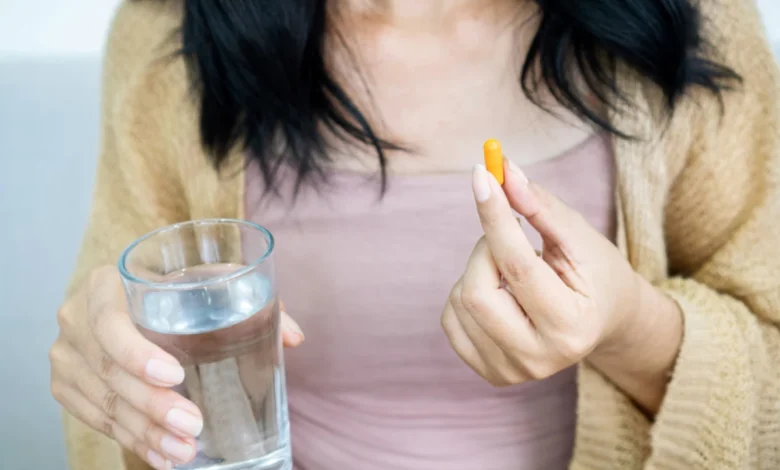
The landscape of longevity science has long been dominated by the study of oxidative stress and its corrosive effects on human physiology, but a landmark study published in April 2026 has refined this understanding by identifying a specific, age-related phenomenon known as "ferro-aging." This process, characterized by the progressive and detrimental accumulation of iron within vital organs, has been pinpointed as a primary driver of systemic decline. Researchers reporting in the journal Cell Metabolism have not only defined the mechanics of this cellular "rusting" but have also demonstrated that Vitamin C, a widely available and cost-effective antioxidant, may serve as a potent inhibitor of the pathways that facilitate this form of biological aging.
The Emergence of Ferro-aging as a Biological Concept
For decades, the scientific community has recognized ferroptosis—a form of regulated, iron-dependent cell death—as a critical factor in acute conditions such as stroke and organ injury. However, ferro-aging represents a distinct and more insidious paradigm. Unlike the rapid cellular collapse seen in ferroptosis, ferro-aging is a chronic, low-grade accumulation of iron that occurs over the course of decades. As individuals age, the body’s ability to regulate iron homeostasis begins to falter, leading to a surplus of iron within the tissues of the brain, heart, liver, and lungs.
This iron is not merely sitting idle; it exists in a "labile" or chemically active state. In this form, iron facilitates the Fenton reaction, a process that generates highly reactive hydroxyl radicals. These free radicals target the lipid bilayers of cell membranes and mitochondrial membranes, causing a chain reaction of lipid peroxidation. The result is a gradual loss of cellular integrity and energy production. While the cells do not die immediately, their functional capacity diminishes, leading to the clinical symptoms of aging, such as cognitive decline, reduced cardiac output, and metabolic dysfunction.
Analysis of the 2026 Cell Metabolism Study
The 2026 study marks a pivotal moment in geriatric research by providing the first comprehensive map of ferro-aging across species. The research team conducted multi-omic analyses on tissue samples from both human cohorts and non-human primates (cynomolgus monkeys). Their findings revealed a consistent correlation between chronological age and the concentration of non-heme iron in the parenchymal cells of major organs.
A central discovery of the study was the identification of the enzyme ACSL4 (Acyl-CoA Synthetase Long Chain Family Member 4) as the primary architect of ferro-aging. ACSL4 is responsible for enriching cell membranes with long-chain polyunsaturated fatty acids, which are particularly susceptible to iron-induced oxidation. The researchers found that ACSL4 expression increases naturally with age, creating a "perfect storm" where higher iron levels meet more vulnerable cell membranes.
To test the reversibility of this process, the researchers conducted a long-term intervention with older monkeys. For a period of 40 months—representing a significant portion of the primates’ lifespan—the subjects were administered supplemental Vitamin C. The results were statistically significant: the treated monkeys exhibited lower levels of lipid peroxidation, improved mitochondrial function, and enhanced metabolic markers compared to the control group. Most notably, the study utilized "biological clocks"—epigenetic markers that measure the true rate of aging—and found that the Vitamin C-treated group possessed a biological age lower than their chronological age.
The Role of Vitamin C in Inhibiting ACSL4
While Vitamin C has been a staple of the supplement industry for nearly a century, its role in ferro-aging provides a new level of clinical relevance. Traditionally, Vitamin C was valued for its ability to prevent scurvy and support the immune system by aiding white blood cell function. In the context of ferro-aging, however, Vitamin C acts as a specialized biochemical shield.
The 2026 research indicates that Vitamin C does more than just neutralize free radicals. It appears to exert a regulatory influence on the ACSL4 enzyme and the broader iron-metabolism signaling pathways. By maintaining iron in a less reactive state and inhibiting the overactivity of ACSL4, Vitamin C prevents the initiation of the lipid peroxidation cycle. This mechanism suggests that Vitamin C is not merely an antioxidant but a "ferro-aging modulator" that preserves the structural integrity of the cell over the long term.
Chronology of Scientific Progress in Iron-Related Aging
The road to the 2026 discovery was paved by several key milestones in molecular biology:

- 2012: The term "ferroptosis" was first coined by Dr. Brent Stockwell at Columbia University, identifying iron-dependent cell death as a unique process separate from apoptosis.
- 2020-2022: Studies began to link iron accumulation in the brain to neurodegenerative diseases like Alzheimer’s and Parkinson’s. Research published in the International Journal of Molecular Sciences in 2022 suggested that iron-induced instability in mitochondria was a hallmark of aging.
- 2024: Preliminary mouse models demonstrated that knocking out the ACSL4 gene could extend the functional lifespan of certain tissues, though human applications remained theoretical.
- 2026: The Cell Metabolism study successfully bridged the gap between rodent models and primates, officially naming "ferro-aging" and identifying Vitamin C as a viable intervention.
Implications for Organ-Specific Health
The vulnerability of specific organs to ferro-aging is dictated by their metabolic demands. The brain, for instance, consumes a disproportionate amount of the body’s oxygen and contains high levels of lipids, making it a primary target for iron-induced oxidative damage. Ferro-aging in the brain is increasingly viewed as a precursor to "inflammaging"—the chronic, low-grade inflammation that accelerates cognitive decline.
In the heart, the accumulation of iron in cardiomyocytes (heart muscle cells) can lead to stiffness and reduced contractile efficiency. Because the heart is a non-regenerative organ, the gradual "rusting" of its cells via ferro-aging can contribute to the prevalence of heart failure in the elderly. The liver and lungs are similarly affected, with iron buildup leading to fibrotic changes and reduced gas exchange efficiency, respectively. The 2026 findings suggest that Vitamin C’s systemic distribution allows it to provide multi-organ protection against these specific threats.
Expert Reactions and Public Health Perspective
Though the lead researchers of the 2026 study have expressed optimism, the broader medical community maintains a stance of "cautious enthusiasm." Gerontologists have noted that while the primate data is compelling, human clinical trials must be conducted to determine the optimal dosage and long-term safety of high-dose Vitamin C for ferro-aging.
"The identification of ACSL4 as a target is a major leap forward," says Dr. Elena Vance, a hypothetical lead researcher in longevity medicine. "We have spent decades looking for a ‘fountain of youth,’ but it may be that the answer lies in managing the basic elements of our biology—like how we store and process iron. Vitamin C is an elegant solution because it is safe, cheap, and already integrated into the global supply chain."
From a public health standpoint, the implications are profound. Unlike many modern longevity treatments—such as senolytic drugs or gene therapies—Vitamin C is accessible to low-income populations. If further research confirms that simple supplementation can slow the biological aging clock, it could significantly reduce the global burden of age-related diseases, which currently account for the majority of healthcare expenditures in developed nations.
Future Directions and Considerations for Longevity Routines
As the concept of ferro-aging gains traction, it is likely to change how physicians monitor health. Future blood tests may move beyond measuring simple iron levels (ferritin) to assessing "labile iron" and markers of lipid peroxidation. This would allow for a more personalized approach to supplementation.
However, researchers caution against "do-it-yourself" high-dose regimens without professional oversight. While Vitamin C is water-soluble and generally safe, excessive amounts can lead to gastrointestinal distress or contribute to the formation of kidney stones in susceptible individuals. Furthermore, the relationship between Vitamin C and iron is complex; Vitamin C is known to increase the absorption of dietary iron in the gut, which could theoretically be counterproductive for someone already suffering from systemic iron overload (hemochromatosis).
Conclusion: A New Chapter in Aging Science
The discovery of ferro-aging and the potential of Vitamin C to mitigate its effects represents a shift toward more targeted, mechanism-based anti-aging strategies. By focusing on the specific interplay between iron accumulation, the ACSL4 enzyme, and lipid peroxidation, scientists have moved closer to understanding the "why" of biological decline.
As we move toward 2030, the focus will likely remain on validating these primate findings in human populations. For now, the 2026 study serves as a powerful reminder that sometimes the most effective tools in modern medicine are the ones that have been hiding in plain sight. Vitamin C, once thought to be a simple remedy for the common cold, may ultimately prove to be a cornerstone of human longevity, providing a shield against the slow, iron-driven rust of time.