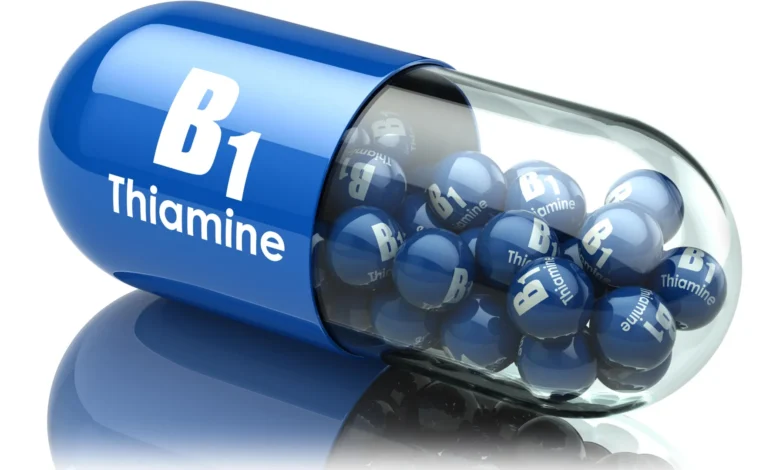
In a scientific achievement that redefines the boundaries of chemical possibility, researchers have successfully stabilized an exceptionally reactive molecule, a carbene, in water—a feat long considered unattainable. This groundbreaking development not only resolves a persistent biochemical enigma surrounding vitamin B1 (thiamine) but also heralds a new era of more sustainable and efficient chemical synthesis, particularly in the pharmaceutical industry. The findings, published in the prestigious journal Science Advances, confirm a pivotal hypothesis put forth by chemist Ronald Breslow in 1958.
The Enigmatic Carbene: A Fleeting Intermediate
At the heart of this discovery lies the carbene, a molecule characterized by a carbon atom possessing only six valence electrons. In stark contrast to the stable octet rule, where carbon atoms typically strive for eight electrons, carbenes exist in a state of profound instability. This electron deficiency renders them highly electrophilic, meaning they aggressively seek electrons from their surroundings, leading to near-instantaneous reactions. Under normal circumstances, particularly in the presence of water—a ubiquitous and highly nucleophilic solvent—carbenes are known to decompose almost immediately. Their ephemeral nature has historically made them incredibly difficult to isolate, study, and harness for chemical processes.
For decades, the scientific community has speculated about the transient existence of carbene-like structures within biological systems. The most prominent hypothesis centered on vitamin B1, or thiamine. It was theorized that thiamine might temporarily adopt a carbene-like form to facilitate crucial biochemical reactions essential for cellular energy metabolism and nerve function. However, the inherent instability of carbenes, especially in the aqueous environment of cells, had prevented direct observation or experimental verification of this proposed mechanism. This lack of concrete evidence left a significant gap in our understanding of fundamental biological processes.
A Historic Hypothesis Confirmed: The Breslow Theory Validated
The year 1958 marked a significant theoretical leap when Ronald Breslow, a distinguished chemist at Columbia University, proposed that vitamin B1 could indeed transform into a carbene intermediate to drive key biochemical reactions. Breslow’s insightful hypothesis, though influential, remained largely unproven due to the formidable challenge of observing or manipulating such an unstable species in a biological context. The prevailing scientific consensus was that carbenes were simply too reactive, particularly in water, to be captured or studied in a controlled manner. This inability to experimentally confirm Breslow’s theory left a 67-year-old question mark hanging over a critical aspect of vitamin B1’s biochemical role.
Breakthrough in Stabilization: The "Suit of Armor" for Carbenes
The paradigm-shifting success was achieved by a research team led by Professor Vincent Lavallo at the University of California, Riverside. The researchers developed an ingenious method to overcome the carbene’s inherent reactivity. Their strategy involved designing and synthesizing a specialized protective molecular framework that effectively shields the carbene’s reactive center. Lavallo aptly described this protective structure as a "suit of armor," meticulously engineered to insulate the carbene from the aggressive probing of water molecules and other surrounding chemical entities.
This innovative approach not only enabled the creation of a carbene but also allowed for its isolation and prolonged observation. The stabilized carbene was successfully sealed in a tube and remained intact for months, a testament to the efficacy of the protective strategy. The detailed findings, meticulously documented, provide irrefutable evidence for the existence of stable carbenes in aqueous environments.
"This is the first time anyone has been able to observe a stable carbene in water," stated Professor Lavallo, the corresponding author of the study. "People thought this was a crazy idea. But it turns out, Breslow was right."
The rigorous analysis of the stabilized carbene was conducted using advanced spectroscopic techniques, including nuclear magnetic resonance (NMR) spectroscopy and X-ray crystallography. These methods provided clear and unambiguous data confirming the molecular structure and stability of the carbene in water, thereby offering definitive proof of Breslow’s long-standing theory.
Varun Raviprolu, the first author of the paper and a graduate student at UCR during the research, who is now a postdoctoral researcher at UCLA, shared his perspective on the serendipitous nature of the discovery. "We were making these reactive molecules to explore their chemistry, not chasing a historical theory," Raviprolu explained. "But it turns out our work ended up confirming exactly what Breslow proposed all those years ago." This sentiment underscores how fundamental research, driven by curiosity and exploration, can often lead to the resolution of long-standing scientific puzzles.
Timeline of Discovery and Validation: A Decades-Long Quest
The journey to stabilizing carbenes in water is a narrative of persistent scientific inquiry, spanning over six decades.
- 1958: Ronald Breslow proposes that vitamin B1 utilizes a carbene intermediate for key biochemical reactions. This hypothesis, while groundbreaking, lacks direct experimental support due to the perceived instability of carbenes.
- Mid-20th Century to Early 21st Century: Numerous chemists explore carbene chemistry, largely focusing on their reactivity in non-aqueous solvents or their transient generation and immediate reaction. The idea of isolating a carbene in water remains largely in the realm of theoretical speculation.
- Early 2000s: Professor Vincent Lavallo begins extensive research into carbene chemistry, focusing on developing novel synthetic strategies to control their reactivity.
- Circa 2010s: Lavallo’s team at UC Riverside makes significant progress in designing protective molecular architectures for reactive species.
- Recent Years: The breakthrough development of the "suit of armor" strategy allows for the unprecedented stabilization of a carbene in water.
- Present: The publication of the findings in Science Advances validates Breslow’s 1958 hypothesis, marking a monumental achievement in chemistry and biochemistry.
Broader Implications: Greener Chemistry and Pharmaceutical Advancement
The implications of this breakthrough extend far beyond solving a historical scientific puzzle. Carbenes are critically important in modern chemical synthesis, often serving as ligands. Ligands are molecules that bind to metal atoms in catalysts, influencing their activity and selectivity. Metal-based catalysts are indispensable tools in the production of a vast array of materials, including pharmaceuticals, fuels, and advanced polymers.
However, many existing catalytic processes rely heavily on organic solvents. These solvents, while effective, often pose significant environmental and health risks. They can be volatile, toxic, and difficult to dispose of, contributing to pollution and requiring extensive safety measures. The drive towards "green chemistry"—the design of chemical products and processes that reduce or eliminate the use and generation of hazardous substances—has been a major focus for the scientific community.
The ability to stabilize carbenes in water offers a promising pathway to develop catalysts that operate in aqueous media. Water is an abundant, inexpensive, non-toxic, and environmentally benign solvent, making it the ideal medium for sustainable chemical manufacturing.
"Water is the ideal solvent—it’s abundant, non-toxic, and environmentally friendly," explained Raviprolu. "If we can get these powerful catalysts to work in water, that’s a big step toward greener chemistry."
This development could revolutionize the production of pharmaceuticals, agrochemicals, and fine chemicals. By shifting away from hazardous organic solvents towards water-based processes, the chemical industry can significantly reduce its environmental footprint, improve worker safety, and potentially lower production costs. The development of water-compatible carbene-based catalysts could lead to more efficient reaction pathways, higher yields, and the creation of novel chemical entities that were previously inaccessible due to solvent limitations.
Mimicking Nature: Bridging the Gap to Cellular Chemistry
Furthermore, the capacity to create and maintain reactive intermediate molecules in water brings scientists closer to replicating the complex chemical transformations that occur naturally within living cells. The vast majority of cellular contents are aqueous, and life’s intricate biochemical machinery operates seamlessly in this environment.
"There are other reactive intermediates we’ve never been able to isolate, just like this one," noted Lavallo. "Using protective strategies like ours, we may finally be able to see them, and learn from them."
This opens up new avenues for understanding fundamental biological processes, such as enzyme catalysis and metabolic pathways, at a molecular level. By studying these transient species in a controlled aqueous environment, researchers can gain deeper insights into the mechanisms of life and potentially identify new therapeutic targets or develop novel biomimetic systems. The ability to isolate and study other previously elusive reactive intermediates could unlock new understanding in fields ranging from molecular biology to materials science.
A Milestone Years in the Making: Persistence and Scientific Progress
For Professor Lavallo, this achievement represents the culmination of two decades of dedicated research into carbene chemistry. The journey has been one of overcoming skepticism and pushing the boundaries of what was considered chemically feasible.
"Just 30 years ago, people thought these molecules couldn’t even be made," he reflected. "Now we can bottle them in water. What Breslow said all those years ago—he was right." This statement highlights the long-term evolution of scientific understanding and the power of persistent investigation.
Raviprolu views the breakthrough as a powerful testament to the importance of perseverance in scientific endeavors. "Something that seems impossible today might be possible tomorrow, if we continue to invest in science," he concluded. This sentiment resonates with the broader scientific community, emphasizing that continued investment in fundamental research, even in areas that may seem abstract or intractable, can yield transformative results with far-reaching practical applications. The stabilization of carbenes in water is a shining example of how dedication, innovation, and a commitment to scientific inquiry can reshape our understanding of the world and pave the way for a more sustainable future.