Serotonin Transporter Activity and the Progression of Degenerative Mitral Regurgitation: A Multiyear Analysis of Clinical and Genetic Factors

While serotonin is widely recognized as the "feel-good" neurotransmitter responsible for regulating mood, sleep, and appetite, a growing body of medical research suggests its influence extends far beyond the brain’s synapses. Investigations published between 2023 and 2026 have illuminated a significant biological link between serotonin signaling and the structural integrity of the heart’s valves. Specifically, researchers have identified that the serotonin transporter (SERT), a protein responsible for recycling serotonin, plays a critical role in the progression of degenerative mitral regurgitation (DMR), a condition that affects millions of individuals worldwide.
This multi-center investigation, led by the Columbia University Department of Surgery in collaboration with the Pediatric Heart Valve Center at Children’s Hospital of Philadelphia (CHOP), the University of Pennsylvania, and the Valley Hospital Heart Institute, represents a paradigm shift in how clinicians view heart valve disease. Supported by the National Heart, Lung, and Blood Institute (NHLBI), the research suggests that individuals with existing valve issues may face accelerated degeneration if their serotonin transporter activity is reduced—either through genetic predisposition or the use of certain medications.
The Vital Mechanics of the Mitral Valve
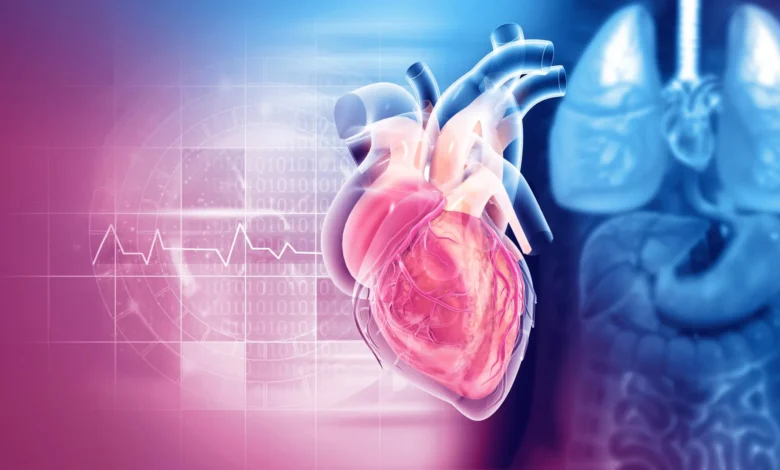
To understand the implications of these findings, one must first consider the critical role of the mitral valve. Located between the heart’s left atrium and left ventricle, the mitral valve acts as a sophisticated one-way gate. Its primary function is to ensure that oxygen-rich blood, returning from the lungs to the left atrium, flows efficiently into the left ventricle before being pumped to the rest of the body. When the left ventricle contracts, the mitral valve flaps—known as leaflets—must seal tightly to prevent blood from flowing backward.
Degenerative mitral regurgitation occurs when these leaflets become compromised. Over time, the tissue can thicken, stretch, or lose its structural shape, preventing a complete seal. This "leak" forces the heart to work significantly harder to maintain circulation. In the early stages, patients may remain asymptomatic; however, as the regurgitation worsens, it can lead to debilitating fatigue, shortness of breath, and eventually, life-threatening complications such as atrial fibrillation and congestive heart failure.
Historically, the management of DMR has been reactive. While medications can alleviate the symptoms of fluid buildup or manage heart rate, they do not address the underlying biological decay of the valve tissue. Until now, the only definitive treatment for severe DMR has been surgical repair or replacement.
The Role of Serotonin and the Transporter Mechanism
Serotonin (5-hydroxytryptamine) is a versatile chemical messenger. Outside of the central nervous system, it is found predominantly in the gastrointestinal tract and blood platelets. In the context of the cardiovascular system, serotonin is known to influence blood vessel constriction and clotting.
The biological effects of serotonin are regulated by the serotonin transporter (SERT). This protein sits on the surface of cells and acts like a vacuum, pulling serotonin back into the cell after it has delivered its signal. This process, known as reuptake, ensures that serotonin levels in the surrounding environment do not remain excessively high.
Selective serotonin reuptake inhibitors (SSRIs), such as fluoxetine (Prozac) and sertraline (Zoloft), are among the most commonly prescribed medications in the world. They work by blocking SERT, thereby increasing the amount of serotonin available in the brain to improve mood. However, because SERT is also present in heart valve tissue, researchers hypothesized that systemic inhibition of this protein might have unintended consequences for the heart.
Chronology of Discovery: From 2023 to 2026
The timeline of research into the serotonin-valve connection has moved rapidly, providing a layered understanding of the risks involved.
2023: The Landmark Patient Study
The initial breakthrough came in 2023 when a team led by Giovanni Ferrari, PhD, of Columbia University and Robert J. Levy, MD, of CHOP published their findings in Science Translational Medicine. The team analyzed clinical data from over 9,000 patients who had undergone surgery for DMR. Their analysis revealed a striking correlation: patients who were taking SSRIs at the time of their diagnosis required surgical intervention at a significantly younger age than those not taking the medication.
To validate these observational findings, the researchers conducted experiments on transgenic mice. Mice engineered to lack the SERT gene developed noticeably thicker and more deformed mitral valves. Furthermore, healthy mice treated with high doses of SSRIs showed similar structural changes, providing a biological "proof of concept" that low SERT activity contributes to valve remodeling.
2024: Identifying the HTR2B Receptor
Building on the 2023 data, a subsequent study in 2024 focused on the specific cellular pathways triggered by excess serotonin. Researchers found that when SERT is inactive, serotonin lingers and over-activates a specific receptor on the valve cells known as HTR2B. This activation triggers a fibrotic response, causing the valve cells to produce excessive amounts of collagen. While collagen is necessary for tissue strength, an overabundance leads to the stiffening and thickening characteristic of DMR.
2025: Expanding to Aortic Stenosis
In 2025, the research expanded beyond the mitral valve to the aortic valve. A comparative study of 76 participants found that patients with severe aortic stenosis—a narrowing of the aortic valve—had significantly higher systemic levels of serotonin compared to healthy controls. This suggested that the serotonin pathway might be a universal factor in various types of valvular heart disease.
2026: Experimental Interventions and Meta-Analysis
By early 2026, the scientific community began exploring potential therapeutic interventions. Researchers reported that an experimental compound designed to block the HTR2B receptor successfully prevented valve thickening in mouse models, even when SERT activity was low.
Additionally, a comprehensive systematic review and meta-analysis published in 2026 synthesized data from multiple clinical trials. The review concluded that medications modifying SERT activity were associated with a 2.76-fold increase in the odds of developing heart valve abnormalities. This meta-analysis provided the statistical weight necessary to bring the issue to the attention of global health organizations.
Genetic Vulnerability: The 5-HTTLPR Variant
One of the most significant aspects of the research is the identification of a genetic "red flag." The activity of the serotonin transporter is partially determined by a region of the SERT gene called 5-HTTLPR. Humans typically carry either a "short" or "long" variant of this gene.
The 2023 study found that individuals who inherit two copies of the "long" variant (the "long-long" genotype) actually have lower SERT activity in their heart valve cells. In laboratory tests, cells from these patients were found to be hypersensitive to serotonin, producing massive amounts of collagen when exposed to the chemical.
This discovery opens the door for precision medicine. "Assessing patients with DMR for low SERT activity may help identify those who may need mitral valve surgery earlier," noted Dr. Ferrari. A simple DNA test via a blood sample or mouth swab could theoretically allow cardiologists to identify which patients are at the highest risk of rapid disease progression.
Analysis of Implications and Clinical Guidance
The findings present a complex challenge for the medical community. SSRIs are essential, life-saving medications for millions of people struggling with depression and anxiety. The researchers are careful to emphasize that the risk appears primarily in those who already have signs of heart valve degeneration.
For a patient with a perfectly healthy heart, the current evidence does not suggest that taking an SSRI will cause a valve problem to develop out of nowhere. However, for the millions of adults living with mild mitral valve prolapse or early-stage DMR, the use of SSRIs could potentially act as an "accelerant," turning a slow-moving condition into one that requires urgent surgery.
Official Responses and Future Directions
Current medical guidelines for heart valve disease, issued by organizations like the American Heart Association (AHA), do not yet include serotonin levels or SERT genetic testing as part of standard care. Experts suggest that until large-scale clinical trials are completed, the focus should remain on "vigilant monitoring."
Cardiologists may now consider a patient’s psychiatric medication history as a relevant factor in their cardiac risk profile. If a patient with DMR requires an antidepressant, some researchers suggest that clinicians might explore classes of medications that do not target the serotonin transporter, such as bupropion, or ensure that the patient receives more frequent echocardiograms to track valve thickness.
Conclusion: A New Frontier in Cardiology
The discovery of the serotonin-valve axis represents a landmark moment in cardiovascular biology. It bridges the gap between psychiatry and cardiology, proving that the chemical messengers of the mind have a profound impact on the mechanics of the heart.
As research moves toward human clinical trials for HTR2B blockers, the medical community remains cautiously optimistic. The goal is not to discourage the use of antidepressants, but to provide a more nuanced, personalized approach to patient care. By understanding the genetic and pharmacological factors that drive valve decay, doctors can better protect the hearts of vulnerable patients, potentially preventing the progression to heart failure and improving long-term survival rates. For now, the message to patients is clear: continue necessary treatments, but ensure your healthcare team is aware of the full picture of your cardiac and mental health.