The Pursuit of Longevity and Optimal Health: Navigating the Complexities of Modern Wellness Claims

The universal human desire to live a longer, healthier life has never been more pronounced than in the current era. As global life expectancies continue to rise, so too does the aspiration not just for extended years, but for a vibrant "healthspan" – a period characterized by robust physical and mental well-being. This profound societal interest has, in turn, fueled a burgeoning wellness industry, replete with a diverse array of claims, products, and protocols promising to unlock the secrets to reversing chronic disease, extending youthful vitality, and even achieving unprecedented lifespans. However, amidst this deluge of information, a critical question emerges: are the often ultra-specific, advanced, and sometimes costly methods promoted by fitness influencers, authors, and podcasters truly necessary, effective, or ultimately worth the significant investment of effort, time, and financial resources they frequently demand? This inquiry necessitates a deeper exploration into the true cost and genuine efficacy of striving for "optimal" health, distinguishing between evidence-based strategies and aspirational, yet unproven, promises.
The Enduring Quest for Immortality and the Rise of Modern Longevity Science
Humanity’s fascination with extending life dates back millennia, woven into myths, legends, and ancient medicinal practices. From alchemists seeking elixirs of immortality to philosophers pondering the nature of aging, the desire to defy mortality is deeply ingrained. In the modern era, this ancient quest has been transformed by scientific advancement. The 20th and 21st centuries have witnessed remarkable progress in medicine and public health, leading to significant increases in average life expectancy across many parts of the world. Vaccinations, antibiotics, improved sanitation, and advancements in surgical techniques have largely conquered many of the infectious diseases that historically curtailed lives.
This scientific progress has also given rise to the field of gerontology – the study of aging – which seeks to understand the biological, psychological, and social aspects of senescence. Researchers are actively investigating cellular mechanisms of aging, such as telomere shortening, mitochondrial dysfunction, and cellular senescence, alongside the impact of genetics and epigenetics on lifespan. This rigorous, peer-reviewed scientific endeavor forms the bedrock of credible longevity research, providing insights into lifestyle factors and potential pharmacological interventions that may genuinely influence healthy aging.
The Digital Age and the Proliferation of "Optimal Health" Narratives
Coinciding with scientific breakthroughs, the advent of the internet and social media platforms has democratized information, albeit without always ensuring its veracity. This digital landscape has become fertile ground for the rapid dissemination of wellness trends and "optimization" protocols. The term "biohacking," once a niche concept, has entered mainstream discourse, encompassing everything from specific dietary regimes (ketogenic, paleo, vegan) and intermittent fasting protocols to sophisticated supplement stacks, specialized exercise routines, cold plunges, sauna therapy, and even experimental gene therapies.
Influencers, often without formal medical or nutritional training, leverage large online followings to advocate for highly personalized, sometimes extreme, health regimens. They frequently present anecdotal evidence or preliminary research findings as definitive solutions, promising transformative results for those willing to commit fully. Authors pen best-selling books detailing complex "anti-aging" strategies, while podcasters host discussions featuring proponents of cutting-edge, often unverified, techniques. The allure is powerful: the promise of not just preventing illness, but actively enhancing performance, reversing the aging process, and achieving a state of health beyond the ordinary. This environment creates a compelling narrative where "good" health is no longer enough; one must strive for "optimal."
Deconstructing the Claims: Necessity, Efficacy, and the Burden of Proof
A critical examination of these "optimal health" claims reveals a spectrum ranging from well-supported scientific principles to speculative, unproven, or even potentially harmful practices. Many foundational recommendations—such as regular physical activity, a balanced diet rich in whole foods, adequate sleep, stress management, and strong social connections—are consistently endorsed by public health organizations like the World Health Organization (WHO) and national health bodies. These interventions are widely recognized as highly effective for preventing chronic diseases, improving quality of life, and contributing significantly to a longer, healthier existence.
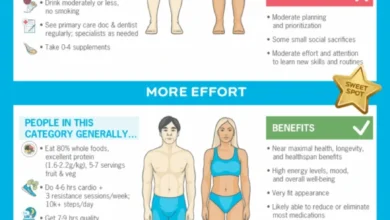
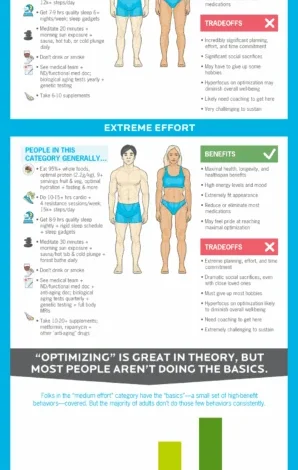
However, the "optimization" trend often pushes beyond these established fundamentals, advocating for highly specific, often restrictive, or expensive protocols. Questions then arise regarding the incremental benefits of these advanced methods. For instance, while regular exercise is crucial, is a highly specialized, daily high-intensity interval training (HIIT) regimen combined with specific resistance training, followed by a particular recovery protocol, truly superior for general longevity than a consistent routine of moderate-intensity activity? While a balanced diet is paramount, does an ultra-restrictive elimination diet or a regimen requiring dozens of expensive supplements offer a significant, scientifically proven advantage over a diverse, whole-foods-based approach for the average individual?
The burden of proof often falls short for many "optimal" strategies. While some may cite preliminary studies or individual testimonials, robust, large-scale, randomized controlled trials—the gold standard of scientific evidence—are frequently lacking. This creates a challenging landscape for consumers attempting to discern credible advice from marketing hype.
The True Cost: Financial, Temporal, and Psychological Trade-offs
Beyond the scientific efficacy, the practical implications of pursuing "optimal" health are substantial. The financial cost can be staggering. Specialized organic foods, premium supplements, high-tech monitoring devices (wearables, continuous glucose monitors), gym memberships, personal trainers, specialized therapy sessions (e.g., cryotherapy, IV drips), and consultations with "longevity coaches" can quickly accumulate into thousands, if not tens of thousands, of dollars annually. For many, these expenses are prohibitive, raising concerns about health equity and the accessibility of "optimal" health.

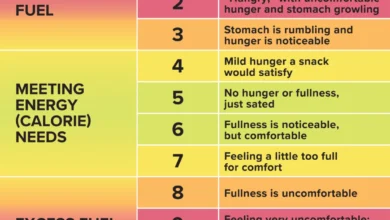
Equally significant are the temporal demands. Adhering to strict dietary plans, complex exercise routines, intricate supplement schedules, and extensive self-monitoring requires a considerable investment of time and mental energy. Preparing specific meals, tracking macronutrients, scheduling multiple workouts, and managing a host of supplements can consume hours each day. This can detract from other valuable aspects of life, such as family time, hobbies, career development, or simply relaxation.
Perhaps most critically, the psychological toll of relentless optimization can be profound. The constant pursuit of perfection in health can lead to anxiety, stress, and even disordered eating patterns like orthorexia, an unhealthy obsession with healthy eating. The pressure to conform to idealized body images or health metrics, combined with the fear of "falling behind" or not doing "enough," can erode mental well-being. When the pursuit of longevity becomes an all-consuming endeavor, the enjoyment of life itself can be compromised, ironically undermining the very goal of a rich and fulfilling existence.
Expert Perspectives and the Call for Balance
Mainstream medical and scientific communities generally advocate for a balanced, evidence-based approach to health and longevity. Organizations like the American Medical Association (AMA) and the American Heart Association (AHA) consistently emphasize the importance of lifestyle factors – a balanced diet, regular physical activity, maintaining a healthy weight, avoiding smoking, and moderate alcohol consumption – as the cornerstones of preventing chronic diseases and promoting healthy aging.
Nutritionists and dietitians often caution against overly restrictive diets and the excessive reliance on supplements, stressing the importance of variety, moderation, and sustainable eating patterns. Dr. Walter Willett, Professor of Epidemiology and Nutrition at Harvard T.H. Chan School of Public Health, has frequently highlighted that while specific nutrients are important, the overall pattern of diet, emphasizing whole, unprocessed foods, is far more critical than any single "superfood" or supplement.
Psychologists and behavioral scientists increasingly point to the importance of psychological well-being, social connection, and a sense of purpose as vital components of a long and healthy life. Research on "Blue Zones"—regions where people live measurably longer and healthier lives—consistently highlights not just diet and activity, but also strong community ties, a sense of belonging, and low stress levels as critical factors, often overshadowing any specific "biohacking" techniques. These findings underscore that human flourishing is a holistic endeavor, not merely a sum of biological optimizations.
Implications for Public Health and Consumer Responsibility
The proliferation of "optimal health" claims has significant public health implications. It can create confusion, distract individuals from implementing truly effective foundational health habits, and lead to misallocation of resources towards unproven interventions. Moreover, it can exacerbate health inequalities, as expensive "optimizations" remain out of reach for many, while basic healthcare and nutrition remain a struggle for others.
For the individual consumer, the landscape demands a high degree of critical thinking and media literacy. It is imperative to question the source of information, scrutinize the evidence presented, and be wary of claims that promise quick fixes, dramatic transformations, or imply that existing medical science is somehow deficient or outdated. Prioritizing interventions supported by robust scientific consensus, consulting with qualified healthcare professionals (doctors, registered dietitians, certified trainers), and focusing on sustainable lifestyle changes are crucial steps.
The ultimate aim of longevity should not be merely to extend life at any cost, but to enhance the quality of those extended years. This means fostering habits that contribute to physical vitality, mental acuity, emotional resilience, and social connectedness. The pursuit of health should be an enriching journey, not an exhausting battle against an idealized, often unattainable, state of "perfection."
Conclusion: Reclaiming a Balanced Perspective on Health and Longevity
The desire for a longer, healthier life is a noble and understandable aspiration. While scientific research continues to unravel the complexities of aging, the prevailing narrative surrounding "optimal" health in the popular sphere often deviates significantly from evidence-based practices. Many ultra-specific, advanced protocols promoted by wellness influencers come with substantial financial, temporal, and psychological costs, the benefits of which are frequently unproven or marginal compared to foundational lifestyle interventions.
Ultimately, achieving a healthy and long life is less about chasing fleeting trends or investing in expensive "hacks," and more about consistently applying fundamental principles: a balanced diet of whole foods, regular physical activity, sufficient sleep, effective stress management, and meaningful social engagement. These sustainable habits, accessible to most, offer the most profound and scientifically supported pathway to enhancing both lifespan and healthspan, allowing individuals to live a life they not only extend but genuinely enjoy. The true cost of "optimal" health, therefore, should be measured not just in dollars, but in its impact on overall well-being and the quality of life it enables or, inadvertently, diminishes. Informed decision-making, critical evaluation, and a focus on sustainable, holistic well-being are paramount in navigating the complex landscape of modern longevity claims.