Qatar Leads the Middle East in Per Capita Wealth, Surpassing Saudi Arabia Amidst Economic Diversification

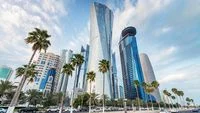
While Saudi Arabia might be the first nation that springs to mind when considering the wealthiest countries in the Middle East, recent economic data and projections reveal a different hierarchy, with Qatar consistently topping the list in terms of per capita wealth. The broader Middle East region has long been synonymous with abundant natural resources, particularly oil and gas, which have fueled robust economies and produced a significant number of the world’s "crazy rich." However, the top-tier nations are increasingly distinguishing themselves not just by their hydrocarbon reserves but by their strategic economic diversification, forward-thinking policies, and successful integration into the global investment landscape.
The Middle East’s economic prowess is deeply rooted in its vast reserves of fossil fuels, which have historically been the primary engine of growth for many nations in the region. Countries like Saudi Arabia, Kuwait, and the UAE have built their wealth and global influence on the back of oil and gas exports. However, the volatile nature of global energy markets and the growing international imperative for a transition to sustainable energy sources have prompted a strategic reevaluation of economic models across the region. This has led to ambitious diversification efforts aimed at building resilient economies less susceptible to the fluctuations of commodity prices.
The following analysis, drawing on projections from institutions like the International Monetary Fund (IMF) and economic outlooks from reputable financial news outlets, provides a comprehensive look at the wealthiest nations in the Middle East on a per capita basis as of early 2025, highlighting the key drivers of their economic prosperity.
Qatar: The Unrivaled Leader in Per Capita Wealth
Qatar stands at the apex of per capita prosperity in the Middle East. Projections from the IMF’s World Economic Outlook in April 2025 place Qatar’s Gross Domestic Product (GDP) per capita, adjusted for Purchasing Power Parity (PPP), at an astounding USD 121,610 (approximately Rp 1.98 billion) per person. This remarkable figure is largely attributable to Qatar’s position as a leading global exporter of natural gas and Liquefied Natural Gas (LNG).
Economic analyses consistently underscore the dominance of energy exports in Qatar’s revenue streams. The country’s fiscal model heavily relies on the income generated from its vast hydrocarbon reserves. This reliance, coupled with a relatively small population, results in an exceptionally high per capita income. Qatar has strategically reinvested a significant portion of this wealth into developing its infrastructure, enhancing its education and healthcare sectors, and fostering future-oriented industries. This forward-thinking investment strategy aims to create a more diversified and sustainable economic future beyond fossil fuels, ensuring long-term prosperity and global competitiveness. The nation’s ambitious projects, including the development of Lusail City and its role in hosting major international events like the FIFA World Cup 2022, have further bolstered its global profile and economic activity.
United Arab Emirates (UAE): A Model of Diversification and Future-Oriented Policies
Following closely in second place is the United Arab Emirates (UAE), a nation that has masterfully diversified its economy and implemented policies geared towards future growth. Projections from Reuters anticipate the UAE’s economy to expand by 4.9% in 2025, with growth driven by both its oil and non-oil sectors.
The UAE’s GDP per capita (PPP) is estimated to reach USD 82,000 (approximately Rp 1.34 billion) per person, while its nominal GDP per capita stands at around USD 51,290 (approximately Rp 836 million). The UAE’s economic success is a testament to its strategic shift away from an exclusive reliance on oil. The nation has successfully cultivated a vibrant array of non-oil sectors, including tourism, aviation, finance, real estate, and technology. These sectors now contribute significantly to the country’s economic output and employment.
Furthermore, the UAE has actively pursued policies to attract global investment. This includes the establishment of numerous free economic zones, offering tax incentives and streamlined business regulations, as well as a more flexible approach to foreign ownership of businesses. These initiatives have been instrumental in attracting multinational corporations, enhancing the UAE’s global competitiveness, and solidifying its position as a regional economic powerhouse and a hub for international commerce and innovation. The ongoing development of mega-projects like Dubai Expo City and Abu Dhabi’s cultural districts further underscore its commitment to long-term economic growth and global engagement.
Saudi Arabia: Ambitious Reforms Under Vision 2030
Saudi Arabia, a nation long associated with immense wealth due to its vast oil reserves, secures the third position among the wealthiest Middle Eastern countries on a per capita basis. According to IMF data from April 2025, the country’s GDP per capita (PPP) is estimated at USD 61,920 (approximately Rp 1.01 billion).
While oil remains a significant contributor to the Saudi economy, the Kingdom is undergoing a transformative economic and social overhaul through its ambitious Vision 2030 program. This national transformation initiative aims to diversify the economy away from its heavy reliance on crude oil. Key strategies include the development of the tourism sector, the promotion of renewable energy sources, and significant investments in technology and entertainment. The development of groundbreaking mega-projects such as NEOM, a futuristic city being built on the Red Sea coast; The Red Sea Project, a luxury tourism destination; and Qiddiya, an entertainment city near Riyadh, are central to this diversification strategy. These projects are designed to attract foreign investment, create new industries, and generate employment opportunities for its growing population, signaling a strategic pivot towards a more sustainable and multifaceted economic future. The successful execution of Vision 2030 will be crucial in shaping Saudi Arabia’s economic trajectory in the coming decades.
Kuwait: Leveraging Oil Wealth Through Prudent Investment
Kuwait’s economic strength is primarily derived from its substantial oil reserves and the strategic management of these assets through its sovereign wealth fund. As of the IMF’s April 2025 data, Kuwait’s GDP per capita (PPP) stands at USD 50,960 (approximately Rp 831 million).
Kuwait’s long-standing economic model involves allocating a significant portion of its oil revenues to the Kuwait Investment Authority (KIA). The KIA, one of the world’s largest sovereign wealth funds, invests these funds globally, aiming to mitigate the volatility associated with oil price fluctuations and ensure long-term financial security for the nation. This prudent approach to wealth management has historically provided a buffer against economic downturns.
In recent years, however, Kuwait has faced increasing pressure to accelerate its economic diversification efforts and reduce its dependency on oil. While the country possesses significant financial resources and a well-established infrastructure for managing its wealth, it has, in some aspects, lagged behind some of its Gulf counterparts in implementing broad-based economic reforms and fostering non-oil sectors. Nevertheless, its substantial resource base and sophisticated wealth management mechanisms continue to support a high per capita income, maintaining its position among the wealthiest nations in the Middle East. The nation is actively exploring opportunities in areas such as logistics, finance, and tourism to complement its traditional economic strengths.
Bahrain: A Pioneer in Economic Diversification
Bahrain has consistently pursued an economic model that emphasizes a reduced reliance on oil, a strategy that has helped it maintain its standing among the affluent Arab nations. In the first quarter of 2024, Bahrain’s real GDP experienced a year-on-year growth of 3.3%. Significantly, its non-oil sector, which constitutes approximately 85.9% of the country’s GDP, also demonstrated robust growth, expanding by 3.3% during the same period.
Bahrain’s early commitment to diversification, particularly in sectors such as financial services, manufacturing, and tourism, has yielded tangible results. The country has established itself as a regional hub for Islamic finance and has actively sought to attract foreign direct investment through favorable business environments and strategic initiatives. Its geographic location and historical role as a trading center have also contributed to its economic resilience. The proactive development of its non-oil economy has enabled Bahrain to navigate the complexities of global energy markets more effectively, ensuring a more stable and sustainable path to economic prosperity. The ongoing development of infrastructure projects and its focus on innovation further bolster its economic outlook.
Broader Implications and Future Outlook
The economic landscape of the Middle East is in a state of dynamic evolution. While hydrocarbon wealth remains a significant factor, the leading nations are demonstrating a clear understanding of the imperative for diversification. The strategies employed by Qatar, the UAE, and Saudi Arabia, ranging from sovereign wealth fund investments to ambitious mega-projects and the cultivation of new industries, highlight a forward-looking approach to economic sustainability.
The success of these diversification efforts will not only shape the economic futures of these individual nations but also influence regional stability and global economic dynamics. As these countries continue to invest in human capital, technology, and sustainable infrastructure, they are poised to become even more influential players on the global economic stage. The transition away from fossil fuels, while a challenge, also presents an opportunity for these resource-rich nations to reinvent themselves and build economies that are resilient, innovative, and prepared for the future. The continued monitoring of their economic performance and policy implementation will be crucial in understanding the evolving narrative of wealth and development in the Middle East.