Serotonin Signaling and Heart Valve Health: Exploring the Link Between Neurotransmitters and Degenerative Cardiac Conditions

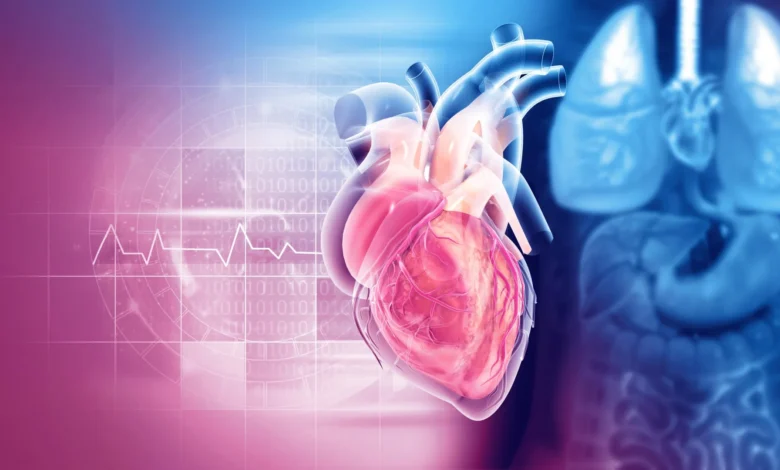
The chemical messenger serotonin, long recognized for its fundamental role in regulating mood, sleep, and digestion, has emerged as a significant factor in the progression of heart valve disease. A landmark multicenter investigation published in 2023, led by the Columbia University Department of Surgery in collaboration with the Pediatric Heart Valve Center at Children’s Hospital of Philadelphia (CHOP), the University of Pennsylvania, and the Valley Hospital Heart Institute, has established a compelling link between reduced activity of the serotonin transporter (SERT) and the acceleration of degenerative mitral regurgitation (DMR). This research, supported by the National Heart, Lung, and Blood Institute, suggests that the biological pathways once thought to be primarily confined to the central nervous system may have profound implications for cardiovascular structural integrity.
The Vital Function of the Mitral Valve and the Impact of DMR
The mitral valve is a complex anatomical structure situated between the heart’s left atrium and left ventricle. Its primary responsibility is to act as a one-way gate, ensuring that oxygenated blood returning from the lungs is pumped forward into the body’s main circulatory system. During every heartbeat, the valve’s two thin flaps, or leaflets, must meet precisely to seal the opening. When the heart contracts, this seal prevents blood from flowing backward into the upper chamber.
Degenerative mitral regurgitation represents one of the most prevalent forms of valvular heart disease globally. In patients with DMR, the tissue of the valve leaflets undergoes structural changes—thickening, stretching, or losing its geometric integrity. These alterations prevent the valve from closing completely, leading to a "leaky" valve where blood flows in the wrong direction. This regurgitation increases pressure within the pulmonary circulation and reduces the volume of oxygenated blood delivered to the rest of the body.
Clinical progression of DMR can be insidious. While many patients remain asymptomatic in the early stages, the chronic strain on the heart eventually leads to debilitating symptoms such as profound fatigue and shortness of breath (dyspnea). If left untreated, the compensatory mechanisms of the heart fail, resulting in permanent damage, atrial fibrillation (a dangerous irregular heart rhythm), and eventually congestive heart failure. While pharmacological interventions can mitigate symptoms, they do not address the physical degeneration of the valve tissue; currently, the only definitive treatment for severe DMR is surgical repair or replacement.
The Role of Serotonin and the Transporter Mechanism
Serotonin (5-hydroxytryptamine) serves as a multifaceted signaling molecule. In the brain, it functions as a neurotransmitter that modulates emotional states, while in the peripheral system, it influences gut motility and blood platelet aggregation. The communication of serotonin depends on its ability to bind to specific receptors on the surface of cells, triggering various biological responses.
A critical component of this signaling system is the serotonin transporter (SERT or 5-HTT). This protein is responsible for the reuptake of serotonin, carrying it back into the cell to end the signal and allow the chemical to be recycled. Selective serotonin reuptake inhibitors (SSRIs), such as fluoxetine (Prozac) and sertraline (Zoloft), are among the most commonly prescribed medications for depression and anxiety. They work by inhibiting SERT, thereby increasing the concentration of serotonin available in the synaptic clefts of the brain.
The 2023 study sought to determine whether this inhibition of SERT, while beneficial for mental health, might have unintended consequences for the heart. Specifically, the researchers investigated whether reduced SERT activity could exacerbate the remodeling of heart valve tissue in individuals already predisposed to or suffering from valve degeneration.
Chronology of Research and Emerging Evidence (2023–2026)
The scientific understanding of the serotonin-valve connection has expanded rapidly through a series of pivotal studies conducted over a four-year period:
2023: The Mitral Valve Discovery
The initial multicenter study analyzed clinical data from over 9,000 patients who underwent surgery for DMR. By evaluating 100 human mitral valve biopsies, the team, led by Giovanni Ferrari, PhD, and Robert J. Levy, MD, found that patients using SSRIs tended to require surgery at a significantly younger age than those not taking the medication. Transgenic mouse models lacking the SERT gene confirmed these findings, showing that low SERT activity led to thicker, more deformed mitral valves.
2024: Identifying the HTR2B Receptor and Fibrosis
Building on the initial discovery, research published in 2024 shifted focus to the cellular receptors involved. Using mouse models with deficient SERT activity, scientists identified that the HTR2B receptor—one of the many receptors activated by serotonin—was a primary driver of valvular fibrosis. Fibrosis, the accumulation of stiff, scar-like collagen tissue, was found not only in the valves but also in the left ventricular heart muscle, suggesting a broader impact on cardiac architecture.
2025: Extension to Aortic Stenosis
In 2025, researchers investigated whether serotonin played a role in other valve pathologies, specifically aortic stenosis (the narrowing of the valve that exits the heart). A matched-control study of 76 individuals revealed that those with severe aortic stenosis had significantly higher systemic levels of serotonin and its metabolites. This suggested that serotonin signaling might be a common thread across different types of valvular heart disease.
2026: Experimental Drug Targets and Meta-Analysis
By February 2026, experimental compounds designed to block the HTR2B receptor showed promise in animal trials, successfully preserving valve structure during the early stages of remodeling. Concurrently, a massive systematic review and meta-analysis of clinical studies involving SERT-modifying drugs reported a significant association with heart valve disease, calculating an odds ratio of 2.76, further reinforcing the need for clinical vigilance.
Genetic Predisposition and the 5-HTTLPR Variant
One of the most significant breakthroughs in this research area is the identification of a genetic component that dictates individual vulnerability. The researchers examined 5-HTTLPR, a polymorphic region of the gene that encodes the serotonin transporter.
The study identified a "long" genetic variant associated with lower SERT activity. Patients who inherited two copies of this "long" variant (the "long-long" genotype) were found to undergo mitral valve surgery more frequently. Laboratory analysis of cells from these patients showed a heightened sensitivity to serotonin, which triggered the excessive production of collagen. While collagen is necessary for tissue strength, an overabundance leads to the stiffening and thickening characteristic of a failing valve.
This genetic insight provides a potential explanation for why some patients experience rapid valve deterioration while others remain stable for decades. It also suggests that the combination of a "long-long" genotype and the use of SSRIs could create a "perfect storm" for accelerated valve damage in patients with existing DMR.
Clinical Implications and Future Diagnostic Strategies
The findings have sparked a debate regarding the future of cardiac care and the potential for personalized medicine. The research team proposed that a simple DNA test, using a blood sample or mouth swab to identify the 5-HTTLPR variant, could help cardiologists identify high-risk patients.
"Assessing patients with DMR for low SERT activity may help identify patients who may need mitral valve surgery earlier," noted Dr. Ferrari. "Promptly fixing a mitral valve that is very leaky would protect the heart and could prevent congestive heart failure."
However, the medical community remains cautious. Currently, international guidelines for heart valve disease management rely on echocardiography, symptom reporting, and physical examinations. Transitioning to genetic-based monitoring would require large-scale clinical trials to prove that such interventions actually improve long-term patient outcomes.
Critical Caveats and Patient Safety
Despite the compelling data, researchers emphasize that these findings should not cause alarm for the general population taking antidepressants. The studies consistently showed that serotonin-related changes primarily affected valves that were already in a state of degeneration.
- Healthy Valves are Resilient: There is no evidence to suggest that SSRIs cause damage to a healthy, structurally sound mitral valve.
- Observational Limits: Much of the human data is observational, meaning it shows a correlation but does not definitively prove that SSRIs are the sole cause of accelerated disease.
- Medical Consultation is Vital: Patients should never discontinue or alter their antidepressant regimen without consulting their healthcare provider. The risks of untreated clinical depression or anxiety often far outweigh the theoretical risks of accelerated valve remodeling, particularly in patients with no history of heart disease.
Analysis of Broader Impacts
The discovery of the serotonin-valve link represents a significant shift in how clinicians view the intersection of mental health pharmacology and cardiovascular health. Historically, the "Fen-Phen" (fenfluramine/phentermine) diet drug crisis of the 1990s provided the first clue that serotonin-modifying drugs could damage heart valves. This modern research provides the mechanistic "why" that was missing during that era.
The potential development of HTR2B receptor antagonists offers a glimmer of hope for a pharmacological treatment for valve disease—something that currently does not exist. If a drug could block the damaging fibrotic signals in the valve without interfering with serotonin’s essential roles in the brain and gut, it would represent a breakthrough in non-surgical cardiac therapy.
As the population ages and the prevalence of degenerative heart disease grows, the ability to predict disease progression through genetic testing and biochemical markers will become increasingly valuable. For now, the research serves as a call for closer collaboration between psychiatrists and cardiologists, ensuring that patients with known heart valve abnormalities receive tailored monitoring while maintaining their mental health treatment. Future longitudinal studies will be essential to determine if changing antidepressant classes or dosages can effectively preserve heart valve function in those at the highest genetic risk.