Navigating the Shift: How Cultural and Social Norms Are Transforming Modern Attitudes Toward Alcohol Consumption

The cultural landscape surrounding social drinking is undergoing a profound and measurable transformation. According to data from a comprehensive 2025 Gallup survey, the proportion of adults who report consuming any alcoholic beverages has declined to 54 percent, marking a historic low. This shift is primarily driven by an increasing public awareness of alcohol’s negative impacts on both short- and long-term health, ranging from disrupted sleep patterns and compromised immune function to elevated risks of chronic conditions.
However, while a growing segment of the population is choosing absolute abstinence, a substantial demographic finds themselves in a middle ground: they are not interested in quitting alcohol entirely, but rather wish to cultivate a more mindful, intentional relationship with their consumption. For these individuals, social gatherings—ranging from casual weekend get-togethers to high-stakes professional networking events, weddings, and nights out at bars—can present unique psychological and social hurdles. Navigating these environments without a drink in hand often feels daunting, highlighting a broader societal challenge: decoupling socialization from substance consumption.
The Evolution of the Sober-Curious Movement
The concept of mindful drinking or being "sober curious" has evolved over the past decade from a niche wellness trend into a mainstream lifestyle movement. Chronologically, the movement gained significant traction in the late 2010s with the rise of structured social challenges such as Dry January and Sober October. Originally popularized as short-term resets following the holiday season, these initiatives have expanded into year-round personal experiments. Millions of participants use these designated months to evaluate how alcohol affects their physical health, mental clarity, emotional regulation, and productivity.
Despite their popularity, rigid structural frameworks like Dry January can sometimes trigger an all-or-nothing mindset. Experts emphasize that the ultimate objective of mindful drinking is behavioral awareness rather than perfection. Hilary Sheinbaum, author of Going-Dry: A Practical Guide To Drinking Less and Living More, notes that a slip-up during a sober challenge does not invalidate the entire endeavor.
"If you slip up and have a drink, or a night of drinking, pick up on abstaining the next day. It doesn’t mean all is lost," Sheinbaum explains. Rather than signaling failure, an unexpected indulgence serves as a valuable data point. It provides individuals with real-time feedback regarding how alcohol impacts their sleep, mood, and social comfort, allowing them to recalibrate their goals without the burden of guilt.
Redefining Social Norms and Event Planning
Historically, alcohol has functioned as the social lubricant of choice in Western societies, often acting as the default centerpiece for celebrations, commiseration, and networking. When individuals opt out of drinking, they frequently report a distinct sense of FOMO (fear of missing out) or the anxiety of feeling like an outsider.
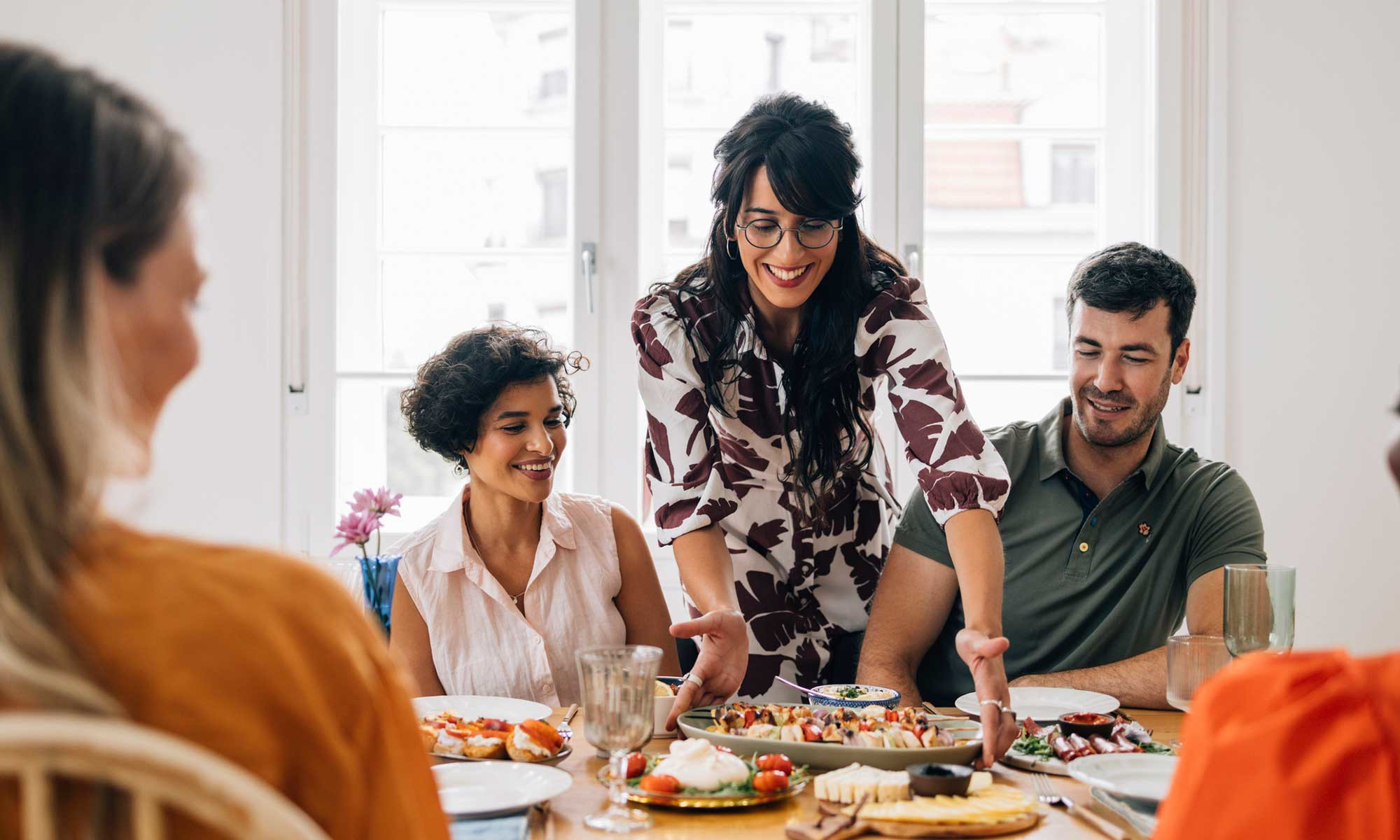
"Opting out of having a drink can feel as though one is opting out of the group activity that is bringing people together, all because drinking has become the default," Sheinbaum emphasizes. "The reality is that you can still participate in social events and hang out without it."
To mitigate these social pressures, lifestyle experts recommend taking a proactive approach to social event planning. By organizing gatherings rather than merely attending them, individuals gain the autonomy to select venues and activities where alcohol is not the central focus. Moving away from traditional bar settings toward active, creative, or culinary-centered gatherings shifts the dynamic of the interaction, placing the emphasis squarely on human connection and shared experiences.
Recommended low-pressure social alternatives include:
- Hosting daytime brunch or coffee meetups rather than evening happy hours.
- Organizing outdoor activities such as hiking groups, walking clubs, or recreational sports leagues.
- Planning interactive culinary nights, game board evenings, or attending cultural events like museum tours and art workshops.
- Curating sophisticated tasting experiences that feature specialty coffees, artisanal teas, or craft nonalcoholic beverages.
The Rise of the Nonalcoholic Beverage Industry
A major economic catalyst supporting the mindful drinking movement is the explosive growth of the nonalcoholic (NA) beverage market. Once limited to sugary sodas, basic juices, or domestic non-alcoholic beers with a reputation for lackluster flavor, the modern NA sector boasts sophisticated craft beers, botanical-infused spirits, and complex non-alcoholic wines designed to mimic the sensory experience of their alcoholic counterparts.
This market expansion has fundamentally changed the social dynamics of drinking. By utilizing nonalcoholic options, individuals can participate in the traditional rituals of toasting and sipping without the physiological consequences of ethanol.
"Another way is to try nonalcoholic beverages," Sheinbaum notes. "No one needs to know what’s in your glass, and you still get to enjoy the same great taste that you would in your favorite beer, cocktail, or wine."
Market analysts attribute this commercial boom to changing consumer demographics, particularly among Millennials and Generation Z, who place a higher premium on holistic health and wellness than previous generations. Bars, restaurants, and hospitality venues have responded by heavily expanding their mocktail menus, treating alcohol-free options with the same culinary creativity traditionally reserved for cocktail lists.

Fostering Inclusive Environments: The Role of the Bystander
While much of the conversation surrounding mindful drinking focuses on personal discipline, creating a sustainable, low-pressure environment requires collective responsibility. Regardless of whether an individual chooses to drink, abstain, or moderate, every participant in a social setting plays a role in shaping its inclusivity.
One of the most persistent social friction points for non-drinkers is unwarranted interrogation. Questions such as "Why aren’t you drinking?" or "Are you doing a challenge?"—even when delivered with benign curiosity—can place the recipient on the defensive and create an exclusionary atmosphere. Individuals abstain from alcohol for a multitude of deeply personal reasons, including underlying health conditions, medication interactions, pregnancy, fitness training regimens, religious beliefs, mental health management, or simply personal preference.
Public health advocates and etiquette experts stress that an individual’s drinking status is private information. The appropriate social response to someone declining a beverage is neutrality: accepting the choice without comment and seamlessly continuing the conversation. Furthermore, hosts can normalize inclusivity by automatically ensuring that high-quality nonalcoholic options are readily available alongside traditional alcoholic beverages at any gathering.
Broader Implications and Future Outlook
The cultural pivot toward reduced alcohol consumption carries wide-ranging implications for public health, the hospitality industry, and workplace culture. From a public health perspective, normalization of moderation aligns with updated global dietary guidelines that increasingly recognize that no level of alcohol consumption is entirely risk-free. Healthcare systems anticipate long-term societal benefits, including reduced incidences of liver disease, cardiovascular complications, and certain cancers associated with chronic alcohol use.
Within the hospitality sector, the normalization of the sober-curious lifestyle has forced establishments to diversify their revenue streams. Venues that previously relied heavily on alcohol sales are discovering that a robust, creative nonalcoholic program can attract a loyal clientele willing to pay premium prices for craft mocktails and artisanal NA spirits.
Ultimately, the shift toward mindful drinking represents a move away from rigid societal compliance and toward personalized wellness. By adopting a low-pressure framework—one that embraces flexibility, normalizes open communication, and reimagines social rituals—individuals can navigate their social lives with greater confidence, ensuring that connection, rather than consumption, remains at the heart of human gathering.