Illuminating the Danger: Groundbreaking Study Links Nighttime Light Exposure to Detrimental Cardiac Remodeling and Heart Disease


Modern urbanization has profoundly transformed the nocturnal environment, replacing natural darkness with a persistent, pervasive glow from streetlights, digital devices, and architectural illumination. While previous scientific investigations have frequently associated artificial light at night with sleep disruption, metabolic disorders, and an elevated incidence of cardiovascular disease, the precise physiological mechanisms occurring inside the human heart remained largely unexplored. Now, a major new study published on September 9 in the European Heart Journal has bridged this critical knowledge gap, revealing that exposure to light pollution during sleeping hours is directly linked to adverse structural and functional alterations within the human heart.
Led by Professor Lu Qi of Tulane University in New Orleans, USA, the research team sought to uncover the physical toll that chronic nighttime illumination exacts on cardiovascular tissues over time. Utilizing data from more than 11,000 individuals, the study provides some of the most compelling evidence to date that our increasingly bright nights are physically reshaping our cardiovascular systems. The findings not only introduce light pollution as an emerging and modifiable environmental risk factor for heart disease, but they also challenge public health officials, urban planners, and clinicians to rethink the fundamental importance of darkness in human health.
Comprehensive Tracking of Nighttime Illumination
The foundation of this expansive research relies on a meticulously designed observational framework utilizing the robust data resources of the UK Biobank, a large-scale biomedical database and research resource containing deep genetic and health information from half a million UK participants. From this extensive cohort, the research team focused on 11,071 individuals who agreed to wear specialized light-sensing devices on their wrists continuously for a period of seven days.
These wrist-worn sensors functioned as high-precision dosimeters, capturing minute-by-minute data regarding the exact intensity of light each participant encountered, even while they slept. By measuring the ambient light levels in the participants’ immediate environments throughout the nocturnal hours, the researchers were able to quantify true, real-world exposure rather than relying solely on generalized satellite data or self-reported questionnaires, which are often prone to inaccuracies.
Following the initial week of light tracking, the participants entered a multi-year monitoring phase. Approximately three years after the initial light-exposure measurements, the study subjects were recalled for advanced diagnostic evaluations. Specifically, each participant underwent comprehensive cardiac magnetic resonance imaging (MRI) scans. These state-of-the-art scans produced exceptionally detailed, high-resolution imagery of the heart, allowing the scientific team to analyze both macroscopic structural geometry and dynamic functional performance with remarkable accuracy.
To isolate the effects of light, the researchers performed a comparative analysis. They contrasted the cardiac profiles of individuals who experienced nighttime ambient light levels exceeding three lux—roughly equivalent to the glow of a nearby streetlamp shining through a window or the light from a nearby digital screen—against those who slept in near-total darkness, encountering virtually zero measurable light during the night.
Microscopic and Structural Transformations Within the Heart
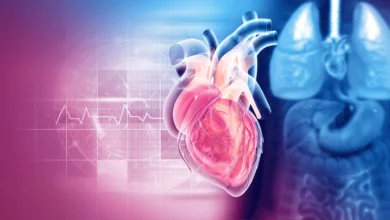
The results of the comparative cardiac MRI analysis revealed striking differences between the two groups, demonstrating that elevated nocturnal light exposure is correlated with measurable, detrimental changes in cardiac architecture. Most prominently, individuals exposed to higher levels of light at night exhibited significant thickening in the wall of the left ventricle, one of the four primary chambers of the heart responsible for pumping oxygen-rich blood out to the systemic circulation.
As the muscular wall of the left ventricle hypertrophies and thickens, the physical volume and space inside the chamber are correspondingly reduced. This pathological constriction limits the heart’s capacity to fill adequately with blood during the resting phase of the cardiac cycle, known as diastole. Furthermore, the diagnostic scans uncovered clear indicators that the heart muscle had lost a degree of its natural elasticity, becoming progressively stiffer and less able to flex normally during each successive contraction and relaxation cycle. Reduced myocardial flexibility serves as an early, highly sensitive warning sign that the heart muscle is beginning to compromise its pumping efficiency.
Beyond the left ventricle, the researchers also detected pathological alterations in other critical regions of the heart, including the right ventricle and the left atrium. These structural adjustments collectively point toward a complex cardiac remodeling process.
Professor Lu Qi elaborated on the significance of these findings, explaining the underlying pathology: "This is the first study of its kind, and it shows that exposure to higher levels of light at nighttime is linked to cardiac remodeling. This is where the structure and function of the heart changes, and we typically see it in response to chronic stress or injury to the heart. It’s our body’s way of adapting to that stress, but ultimately it weakens the heart and can lead to heart failure."
Cardiac remodeling is traditionally recognized by medical professionals as a delayed, maladaptive response to sustained hemodynamic overload, hypertension, myocardial infarction, or chronic systemic inflammation. The revelation that an environmental factor such as nighttime illumination can trigger similar structural deterioration underscores the profound, systemic impact that light pollution exerts on human physiology.
Clinical Perspectives and the Call for Action
The publication of this study has catalyzed urgent discussions within the global cardiology community regarding how physicians approach patient diagnostics and preventative care. Accompanying the research in the European Heart Journal was an insightful editorial authored by Professor Thomas Münzel of the University Medical Center Mainz in Germany, alongside several of his esteemed colleagues.
The editorial panel emphasized that modern medical practice must expand its diagnostic horizons to encompass environmental exposures that patients experience within their domestic and occupational spheres. Professor Münzel and his co-authors argued that clinicians—particularly those actively managing patients suffering from complex heart failure or persistent atrial fibrillation—must begin routinely incorporating lifestyle and environmental inquiries into their clinical assessments.
"It is time for clinicians, particularly those managing patients with heart failure or atrial fibrillation, to start asking about the sleep environment: how dark the bedroom is, whether the patient works night shifts, and how much screen use occurs after sunset," the editorial authors noted.
Importantly, the editorial stressed that mitigating this risk factor does not require expensive pharmaceuticals or invasive medical procedures. Instead, the recommended interventions are remarkably straightforward and economically accessible to the general public. Simple adjustments, such as installing heavy blackout curtains to block outdoor street lighting, substituting harsh overhead fixtures with warm-colored bedside lighting, and covering or unplugging the small standby LED indicator lights present on modern household electronics, can drastically reduce nighttime visual stimulation.
From a broader public health standpoint, the authors pointed out that the implications extend far beyond individual household choices. Light pollution represents a unique category of environmental hazard—one that municipal governments possess the direct capability to control affordably and efficiently. The widespread adoption of shielded outdoor lighting fixtures, warm-spectrum LED street bulbs, and the implementation of motion-activated or dimming street illumination protocols are already technologically feasible, highly energy-efficient, and supportive of broader climate and sustainability objectives.
Chronology of Scientific Discovery
To fully appreciate the weight of the Tulane University study, it is helpful to examine the chronological progression of research investigating the intersection of artificial light and human health.
- Early 2000s: Chronobiologists and sleep researchers begin identifying the critical role of melanopsin—a photopigment in specialized retinal ganglion cells—in regulating the human circadian system. Studies confirm that exposure to blue-spectrum light during biological night suppresses the nocturnal secretion of melatonin, a vital hormone that regulates sleep-wake cycles and possesses antioxidant properties.
- 2010s: Epidemiological studies begin emerging, linking chronic exposure to nighttime light pollution with elevated risks of metabolic syndrome, obesity, type 2 diabetes, and early-stage cardiovascular disease. However, these investigations rely primarily on macro-level satellite imagery matched with regional health statistics, leaving a significant gap regarding localized, individual physiological impacts.
- Late 2010s to 2020: The UK Biobank and similar large-scale biobanks begin incorporating objective, wearable sensor technologies into their research protocols. This allows scientists to transition from speculative geographic estimates to direct, individualized measurements of environmental exposures, including ambient nighttime light.
- September 9: The publication of Professor Lu Qi’s landmark study in the European Heart Journal. By uniting objective wrist-worn light sensor tracking with advanced cardiac MRI imaging across a cohort of more than 11,000 participants, the study establishes the definitive missing link between environmental light pollution and structural cardiac remodeling.
Broader Implications for Public Health and Urban Planning
The conclusions drawn from this extensive investigation offer a compelling narrative that connects macro-level satellite observations of an increasingly glowing planet to the microscopic physiological realities occurring within the human chest. The research demonstrates a clear, unambiguous dose-response relationship: higher levels of nocturnal light exposure correspond directly to more severe structural degradation and diminished functional efficiency within the heart.
The authors of the study and the accompanying editorial assert that darkness should no longer be viewed merely as the absence of light, but rather as an essential physiological resource. Just as modern medicine champions clean air, potable water, and balanced nutrition as foundational pillars of preventative healthcare, the medical community is increasingly recognizing darkness as a vital sign—a parameter as essential to long-term cardiovascular health as optimal blood pressure control and regular physical activity.
As cities continue to expand and artificial illumination becomes ever more ubiquitous, addressing light pollution will require coordinated efforts from policymakers, urban planners, architects, and healthcare providers. By redefining how we illuminate our nocturnal environments, societies can take a proactive, preventative step toward safeguarding cardiovascular health on a global scale, proving that sometimes the most effective medicine for a stressed heart is simply turning off the lights.
Related posts: