Serotonin Signaling and Heart Valve Degeneration Emerging Research Links Neurotransmitter Pathways to Accelerated Cardiac Valve Disease

The traditional understanding of serotonin as primarily a "brain chemical" responsible for mood, sleep, and appetite is undergoing a significant shift as recent cardiovascular research illuminates its profound impact on the structural integrity of heart valves. Emerging evidence, spearheaded by a landmark 2023 multicenter investigation and followed by several subsequent studies through 2026, suggests that the serotonin transporter (SERT) and specific serotonin receptors play a critical role in the progression of degenerative mitral regurgitation (DMR) and aortic stenosis. These findings have sparked a new dialogue between psychiatry and cardiology, potentially paving the way for personalized medicine approaches that use genetic testing to guide antidepressant prescriptions and monitor heart health.
The core of this research stems from a collaborative effort led by Columbia University’s Department of Surgery, the Pediatric Heart Valve Center at Children’s Hospital of Philadelphia (CHOP), the University of Pennsylvania, and the Valley Hospital Heart Institute. Supported by the National Heart, Lung, and Blood Institute, the primary investigators—Giovanni Ferrari, PhD, of Columbia and Robert J. Levy, MD, of CHOP—have identified a biological mechanism where reduced activity of the serotonin transporter may accelerate damaging structural changes in heart valves that are already compromised by disease.
The Anatomy of the Mitral Valve and the Impact of DMR
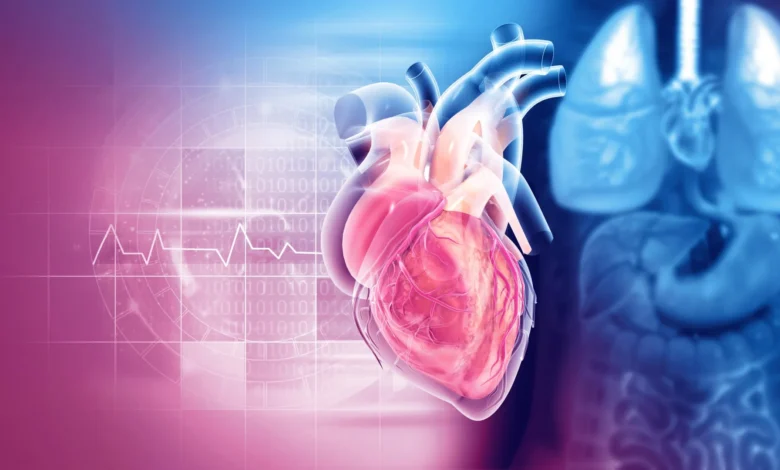
To understand the implications of serotonin signaling, one must first consider the vital role of the mitral valve. Located between the heart’s left atrium and left ventricle, the mitral valve acts as a sophisticated one-way gate. Its primary function is to ensure that oxygen-rich blood, returning from the lungs, moves forward into the left ventricle to be pumped to the rest of the body. When the heart contracts, the two thin flaps (leaflets) of the mitral valve must seal tightly to prevent blood from leaking backward.
Degenerative mitral regurgitation (DMR) occurs when the tissue of these leaflets begins to break down, thicken, or stretch. This structural failure prevents the valve from closing completely, causing blood to flow backward into the atrium. This "regurgitation" forces the heart to work harder to maintain circulation, eventually leading to increased pressure in the lungs and heart. If left untreated, the chronic strain can lead to atrial fibrillation—a dangerous irregular heart rhythm—and congestive heart failure, where the heart becomes too weak to pump effectively.
While medications can manage the symptoms of heart failure, such as shortness of breath and fluid retention, they do not address the physical degeneration of the valve itself. Currently, the only definitive treatments for severe DMR are surgical repair or replacement. The discovery that serotonin signaling influences this process suggests that we may eventually find pharmacological ways to slow the progression of the disease before surgery becomes inevitable.
The Serotonin Transporter and the SSRI Connection
Serotonin communicates by binding to receptors on the surface of cells. Once the signal is delivered, the body must "turn off" the message to maintain balance. This is the job of the serotonin transporter (SERT), a protein that carries serotonin back into the cell for recycling—a process known as reuptake.
Selective serotonin reuptake inhibitors (SSRIs), such as fluoxetine (Prozac) and sertraline (Zoloft), are the most common treatments for depression and anxiety. They work by blocking SERT, ensuring that more serotonin remains available in the spaces between cells. While this is beneficial for mood regulation in the brain, the 2023 study published in Science Translational Medicine raised concerns about the unintended effects of this mechanism on the heart.
The researchers analyzed clinical data from more than 9,000 patients who had undergone surgery for DMR. The data revealed a striking association: patients who were taking SSRIs tended to require surgery at a younger age than those who were not. Furthermore, the use of these medications was linked to more severe forms of mitral regurgitation.
To validate these observational findings, the team conducted laboratory experiments using human valve cells and transgenic mice. They found that mice lacking the gene for SERT developed significantly thicker mitral valves. Similarly, healthy mice treated with high doses of SSRIs showed signs of valve remodeling. These results suggest that when SERT activity is low—whether due to medication or genetics—the heart valve cells are exposed to excessive serotonin signaling, which triggers the production of surplus collagen. While collagen is necessary for tissue strength, an overabundance makes the valve stiff, thick, and prone to failure.
Genetic Vulnerability: The 5-HTTLPR Variant
One of the most significant breakthroughs in this research is the identification of a genetic "clue" that may predict which patients are at higher risk. The researchers focused on 5-HTTLPR, a region of the SERT gene that regulates how much of the transporter protein is produced.
They discovered that individuals with a "long" variant of this gene—specifically those who carry two copies (the "long-long" genotype)—have naturally lower SERT activity in their heart valve cells. In the study’s patient cohort, those with the "long-long" variant underwent mitral valve surgery more frequently. Laboratory tests confirmed that cells from these patients were hypersensitive to serotonin and more reactive to the effects of SSRIs.
"Assessing patients with DMR for low SERT activity may help identify patients who may need mitral valve surgery earlier," noted Dr. Giovanni Ferrari. This suggests that a simple DNA test, performed via a blood sample or mouth swab, could eventually become a standard part of cardiology care for patients with early-stage valve disease.
A Chronology of Expanding Evidence (2023–2026)
Since the initial 2023 publication, the scientific community has moved rapidly to expand on the serotonin-heart connection.
- 2024: The Discovery of Fibrotic Pathways. A study focused on the broader effects of serotonin deficiency found that low SERT activity did not just affect the mitral valve. Mice with deficient SERT were found to be more susceptible to fibrosis (scarring) in both the heart valves and the muscle of the left ventricle. This study identified the HTR2B receptor as the primary driver of this damage, suggesting that serotonin’s "message" to create scar tissue is delivered through this specific receptor.
- 2025: Evidence in Aortic Stenosis. Research shifted to the aortic valve, which controls blood flow out of the heart. In a study comparing patients with severe aortic stenosis to healthy controls, researchers found that those with diseased valves had significantly higher levels of serotonin in their blood. This indicated that the serotonin pathway might be a universal factor in various types of valvular heart disease, not just DMR.
- February 2026: Experimental Drug Targets. New data emerged involving an experimental compound designed to block the HTR2B receptor. In animal models, this drug successfully prevented the thickening of heart valves even when SERT activity was low. This represents a potential future "cardioprotective" therapy for patients who must take SSRIs but have a genetic predisposition to valve disease.
- Late 2026: Meta-Analysis Confirms the Association. A systematic review of clinical studies involving drugs that modify SERT activity reported a significant association with heart valve disease, with an odds ratio of 2.76. This means that individuals on these medications were nearly three times as likely to have valve abnormalities compared to those not taking the drugs, though researchers cautioned that this does not prove direct causation in every case.
Clinical Implications and Patient Safety
Despite the compelling nature of these findings, researchers and clinicians emphasize a message of caution. The data suggests that a healthy mitral valve is likely resilient enough to withstand low SERT activity or the use of SSRIs without deforming. The risk appears to be concentrated in patients whose valves have already begun to degenerate due to age, genetics, or other factors.
"SSRIs are generally safe for most patients," Dr. Ferrari emphasized. "It is unlikely that low SERT can cause degeneration of the mitral valve by itself. Once the mitral valve has started to degenerate, it may be more susceptible to serotonin."
Consequently, patients currently taking antidepressants should not discontinue their medication based on these findings. Untreated depression and anxiety carry their own significant health risks, including adverse effects on the cardiovascular system. Instead, the research suggests a need for integrated care. Patients with known heart valve issues who also require SSRIs might benefit from more frequent echocardiograms to monitor valve thickness and function.
The Future of Precision Cardiology
The implications of this research for the future of medicine are profound. We are moving toward an era of "precision cardiology," where a patient’s genetic profile could dictate their treatment plan.
If the 5-HTTLPR genetic test is validated in larger clinical trials, it could serve as a vital tool for both psychiatrists and cardiologists. A psychiatrist might choose a non-SSRI antidepressant—such as a norepinephrine-dopamine reuptake inhibitor (NDRI)—for a patient with a "long-long" SERT genotype and early signs of heart valve disease. Meanwhile, a cardiologist could use the genetic information to prioritize certain patients for early surgical intervention, potentially preventing the onset of permanent heart failure.
Furthermore, the identification of the HTR2B receptor as a culprit in valve fibrosis opens the door for the development of new drugs. A medication that blocks HTR2B in the heart without crossing the blood-brain barrier could theoretically allow patients to reap the mental health benefits of SSRIs while shielding their heart valves from structural damage.
While the journey from laboratory discovery to standard clinical practice is long, the research published between 2023 and 2026 has provided a definitive roadmap. By bridging the gap between neuroscience and cardiology, scientists are uncovering the complex ways in which our body’s chemical messengers maintain—or undermine—the rhythm of the human heart. For now, the priority remains regular cardiology screenings and open communication between patients and their healthcare providers regarding the intersection of mental and physical health.