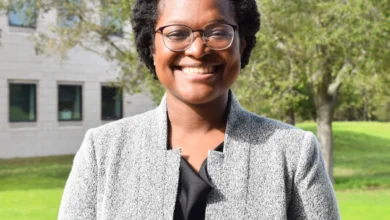
Decoding the Biological Clock: Dr. Parminder Singh and the Quest to Unravel the Mysteries of Aging and Inter-Organ Communication


The modern science of aging is shifting away from a view of the body as a collection of isolated, failing parts toward a dynamic understanding of systemic crosstalk. At the forefront of this paradigm shift is Dr. Parminder Singh, a postdoctoral research fellow in the laboratory of Dr. Pankaj Kapahi at the Buck Institute for Research on Aging. Supported by the prestigious Larry H. Hillblom Postdoctoral Fellowship, Dr. Singh is investigating how internal communication networks between organs regulate the aging process, with a specialized focus on how reproductive transitions, such as menopause, and metabolic stressors, such as excess dietary sugar, intersect to accelerate cellular decline.
Main Facts and Research Focus
Dr. Singh’s primary research centers on inter-organ communication—the chemical, hormonal, and neural dialogues that allow disparate tissues to coordinate their functions. While biomedical science has historically excelled at mapping the functions of individual organs in isolation, the systemic interplay between these organs remains one of the most complex frontiers in gerontology.
At the Buck Institute, located in Novato, California, Dr. Singh’s work specifically targets two interconnected mechanisms of aging:

- The systemic and neurological impacts of the loss of ovarian function, encompassing both natural menopause and surgical menopause (bilateral oophorectomy).
- The accumulation of advanced glycation end products (AGEs) driven by impaired glucose metabolism and high sugar intake.
By examining how these biological stressors induce cellular senescence, systemic inflammation, and metabolic resistance, Dr. Singh aims to lay the groundwork for targeted, sex-specific therapeutics designed to intervene before age-related pathologies fully manifest.
Chronology and Academic Background
Dr. Singh’s journey into the biology of aging was neither direct nor predetermined. Raised with an initial preference for physics and mathematics, he nearly bypassed biology during his secondary education. His academic trajectory shifted when his high school principal persuaded his parents to enroll him in biology, recognizing a natural aptitude for scientific analysis.
Upon completing his foundational education, Dr. Singh pursued rigorous academic training in India, earning his Doctor of Philosophy (PhD) from the National Institute of Immunology, where he specialized in endocrinology and metabolism. This background in hormone systems provided an ideal analytical framework for studying how systemic signaling molecules change over the human lifespan.
Following the completion of his doctoral studies, Dr. Singh transitioned to the United States to join the Buck Institute for Research on Aging as a Postdoctoral Research Fellow in Dr. Pankaj Kapahi’s laboratory. Shortly after joining the institute, he was awarded the Larry H. Hillblom Postdoctoral Fellowship, a competitive grant supporting high-potential research into aging-related metabolic disorders and cellular senescence.

Supporting Data and Context: Menopause and Metabolic Stress
The broader public health context of Dr. Singh’s research underscores the urgent need for sex-specific longevity science. According to epidemiological data, approximately 300,000 women worldwide undergo bilateral oophorectomy—the surgical removal of both ovaries—each year. Unlike natural menopause, which occurs progressively over several years, surgical oophorectomy induces an abrupt termination of ovarian signaling, particularly when performed prior to the natural age of menopause.
From a physiological standpoint, the ovaries are not merely reproductive organs; they function as critical endocrine glands that release signaling molecules influencing the cardiovascular, musculoskeletal, and central nervous systems. Dr. Singh’s laboratory utilizes animal models of bilateral ovariectomy (OVX) to simulate this abrupt transition and observe its downstream consequences.
The findings highlight the hypothalamus—a small, vital region of the brain regulating sleep, energy balance, thermoregulation, and metabolic homeostasis—as acutely sensitive to the loss of ovarian signals. When this communication is severed, hypothalamic neurons experience functional decline while supporting glial cells become reactive, driving symptoms such as cognitive alterations, sleep fragmentation, and metabolic dysfunction.
Simultaneously, Dr. Singh’s research addresses the compounding effect of metabolic stress. High consumption of refined sugars leads to a chemical reaction where glucose molecules bind to proteins and lipids without enzymatic regulation, forming advanced glycation end products (AGEs). These molecules stiffen blood vessels, induce oxidative stress, and accelerate tissue aging. When metabolic stress from AGE accumulation coincides with the systemic shifts of menopause, the rate of biological aging in sensitive tissues, particularly the brain, is significantly amplified.

Expert Analysis and Implications
The implications of Dr. Singh’s research extend far beyond academic endocrinology, offering a potential blueprint for preventive medicine in an aging global population. Historically, biomedical research has suffered from a systemic bias toward male models, often overlooking sex-specific physiological differences in disease onset and progression. Conditions such as Alzheimer’s disease, cardiovascular disorders, and metabolic syndrome frequently exhibit distinct prevalence and presentation patterns between men and women.
By demonstrating that the neuroendocrine shifts of menopause actively interact with metabolic stressors like dietary sugar, Dr. Singh’s work provides a mechanistic rationale for why certain age-related diseases emerge differently across sexes.
Public Health and Clinical Perspectives
Public health experts and longevity specialists emphasize that shifting the medical paradigm from late-stage disease treatment to early-stage prevention is essential for reducing the societal burden of age-related morbidity. Dr. Singh’s findings suggest that preserving inter-organ communication and managing metabolic resilience during midlife transitions could delay or mitigate the onset of neurodegenerative and metabolic diseases.

Colleagues and mentors at the Buck Institute note that Dr. Singh’s ability to synthesize complex endocrinological data with broader evolutionary and physiological concepts allows his team to design translational studies with high clinical relevance. Rather than treating menopause solely as a reproductive endpoint or metabolic syndrome solely as a dietary issue, his research conceptualizes them as intersecting vectors of systemic aging.
Future Outlook: The Next Decade of Longevity Science
Looking toward the next five to ten years, Dr. Singh remains optimistic about the trajectory of aging research. The convergence of artificial intelligence, high-throughput pharmacological screening, and multi-omic data analytics is revolutionizing how scientists identify therapeutic targets. Where researchers once mapped biological pathways one experiment at a time, modern computational tools allow laboratories to model complex inter-organ signaling networks and test thousands of candidate compounds simultaneously.
For Dr. Singh, these technological leaps provide unprecedented velocity in translating basic laboratory discoveries into actionable interventions. As the Buck Institute continues to pioneer research aimed at extending human healthspan—the period of life spent in good health, free from chronic disease—investigators like Dr. Singh are rewriting the narrative of how the human body ages, adapts, and maintains resilience across the lifespan.
Related posts: