Understanding and Addressing School Refusal: A Comprehensive Guide for Parents and Educators


School serves as the foundational pillar for a child’s social, cognitive, and emotional development, acting as the primary environment where young individuals navigate the complexities of interpersonal relationships and academic achievement. However, for a significant number of families, the morning routine frequently dissolves into a cycle of distress characterized by a child’s sudden refusal to attend classes. This phenomenon, often clinically referred to as school refusal or school avoidance, transcends simple academic disinterest or behavioral defiance. It represents a multifaceted challenge that requires a nuanced, empathetic, and strategic approach from caregivers and educators alike.
When a child suddenly exhibits symptoms of resistance—ranging from tearful outbursts and somatic complaints like stomach aches or headaches to prolonged morning lethargy—the immediate reaction of parents is often one of confusion or frustration. While these reactions are understandable, child psychologists emphasize that addressing these behaviors through a punitive lens is frequently counterproductive. Instead, experts suggest that school refusal is often a symptom of underlying psychological, social, or environmental stressors that require systematic investigation and resolution.
Defining the Scope and Nature of School Refusal
School refusal is not a formal medical diagnosis but rather a behavioral manifestation of deep-seated anxiety or discomfort. According to research from the Child Mind Institute and various educational psychologists, school refusal affects approximately 2% to 5% of school-aged children. The behavior is most commonly observed during transition periods, such as entering kindergarten, transitioning to middle school, or returning from extended holidays.
The chronology of school refusal typically follows a predictable pattern. Initially, the child may display subtle avoidance behaviors, such as lingering in bed or expressing minor physical ailments. If left unaddressed, these behaviors often escalate into more overt resistance, including refusal to leave the home, persistent emotional distress during drop-off, or frequent requests to visit the school nurse during the day. The longer this cycle persists, the more entrenched the avoidance behavior becomes, as the child learns that staying home acts as a primary reinforcement for their anxiety.
Identifying the Root Causes
To effectively address school refusal, parents must first move beyond the assumption that the child is "lazy" or simply "playing." A professional assessment often reveals that the refusal is driven by one of four primary factors:
- Avoidance of Negative Affect: The child may be attempting to avoid situations that cause distress, such as specific classes, difficult academic subjects, or anxiety-inducing school environments.
- Escape from Social/Evaluative Demands: This often stems from social anxiety, fear of public speaking, or intense pressure to perform academically.
- Attention-Seeking Behaviors: In some instances, the child seeks to remain at home to spend time with caregivers, often linked to separation anxiety.
- Positive Reinforcement Outside of School: The child may find the home environment significantly more rewarding than the school environment, particularly if they have access to technology or leisure activities that are unavailable in the classroom.
The Critical Role of Early Intervention
Early intervention is the most significant factor in long-term success. Data suggests that children who remain out of school for extended periods find it exponentially harder to reintegrate due to the accumulation of missed academic content and the widening gap in social interactions. Parents should adopt a proactive stance by engaging in calm, non-judgmental dialogue.
Asking open-ended questions—such as "What is the most difficult part of your day?" or "Are there specific times when you feel most worried?"—can provide invaluable insights. It is crucial to distinguish between fleeting reluctance and chronic avoidance. If a child expresses a consistent pattern of distress over several weeks, it may be time to consult with school counselors or pediatricians to rule out underlying medical conditions or undiagnosed learning disabilities that might be fueling the avoidance.
Professional Perspectives and Clinical Approaches
Educational systems and child mental health experts recommend a collaborative approach. Teachers and school administrators are often the first to notice the warning signs, such as a student frequently visiting the nurse’s office or failing to turn in assignments. When these signs appear, a formal meeting between parents, teachers, and school psychologists is essential.
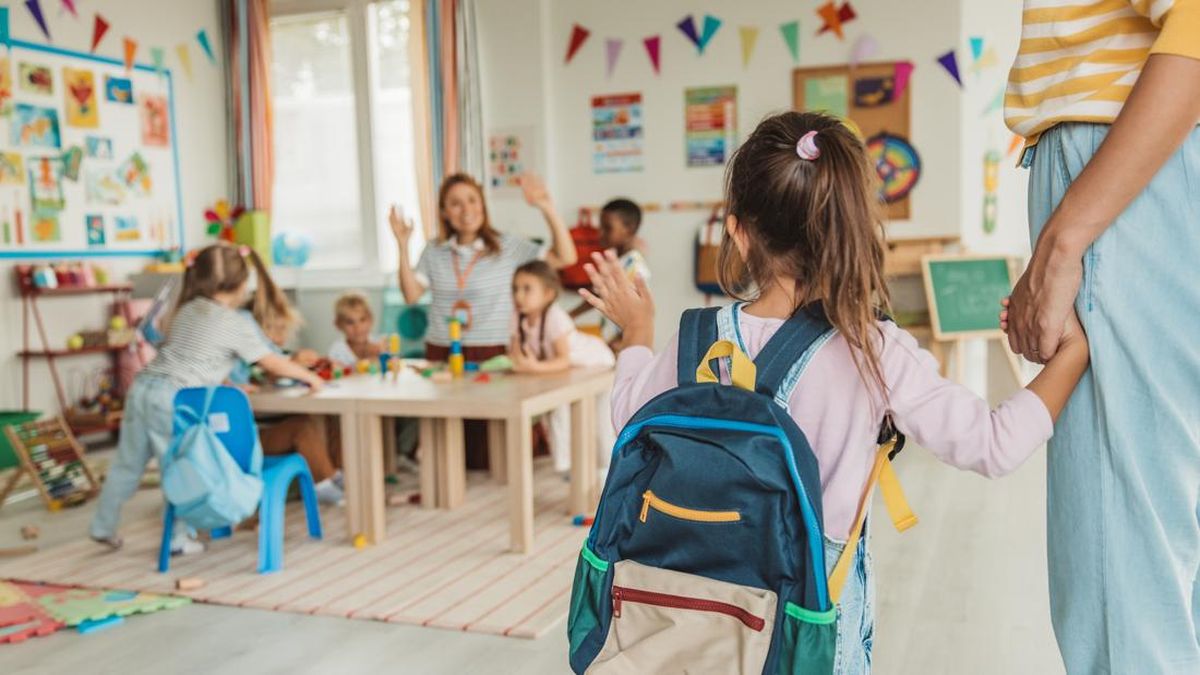
One of the most effective interventions is Cognitive Behavioral Therapy (CBT). This approach helps children identify the negative thought patterns that trigger their anxiety and provides them with coping mechanisms to manage their emotional responses. Through CBT, children learn to "re-frame" their fears, breaking down the school day into manageable segments rather than viewing the entire day as an insurmountable ordeal.
Graduated Re-entry Strategies
For children experiencing severe school refusal, a "cold turkey" approach—forcing them back into a full-day schedule—is often met with failure and increased trauma. Instead, educators suggest a gradual exposure strategy. This might involve:
- Environmental Familiarization: Taking the child to the school campus during off-hours to walk the halls and reconnect with the physical space without the pressure of a full classroom setting.
- Partial Attendance: Allowing the child to attend for only half a day or specific classes where they feel most comfortable, gradually increasing their time on campus as their confidence grows.
- Supportive Check-ins: Implementing a structured plan where the child has a "safe person" at school—such as a counselor or a trusted teacher—whom they can check in with during moments of high stress.
The Broader Impact on Family Dynamics
The implications of chronic school refusal extend well beyond the child; it creates significant stress for the entire family unit. Parents often face conflicts regarding work responsibilities, financial strain from potential loss of income, and the emotional toll of watching their child suffer. It is vital for parents to maintain their own support networks.
When a child stays home, parents should ensure that the home environment is not overly stimulating. If the goal is to return to school, the time spent at home should be dedicated to schoolwork or quiet reflection rather than video games or television. This reinforces the expectation that school remains the primary responsibility of the child, even when they are struggling to attend.
Evaluating the Long-Term Consequences
If school refusal is left unaddressed, the long-term consequences can be severe. Persistent absenteeism is a strong predictor of future academic failure, limited career prospects, and an increased risk of developing clinical depression or anxiety disorders in adulthood. The avoidance behavior can become a maladaptive habit that the child carries into their adult life when faced with workplace or social challenges.
Therefore, the objective of any intervention is not just to get the child back into the classroom, but to equip them with the resilience necessary to handle the inevitable stressors of life. By fostering an environment of open communication, utilizing professional resources, and implementing structured, consistent routines, parents and schools can help children navigate the fear that keeps them from the classroom.
Conclusion: A Call for Empathetic Resilience
The sudden refusal to attend school is a complex signal from a child, often indicating that their internal coping mechanisms have been overwhelmed by external pressures. While it is a daunting challenge for any parent, it is not an insurmountable one. By viewing the situation as a problem to be solved rather than a flaw to be corrected, families can work toward a sustainable return to normalcy.
The collaboration between home and school remains the most effective tool in this process. As educational systems continue to evolve, there is a growing recognition that mental health is as integral to academic success as the curriculum itself. Ultimately, supporting a child through this phase of life is an investment in their future ability to face adversity with confidence and grace. Parents are urged to act decisively, seek professional guidance when necessary, and maintain the steady, patient support that is vital for a child’s successful reintegration into the school community.