The Buck Institute Launches Clinical Research Core to Bridge the Gap Between Basic Science and Human Health

The Buck Institute, renowned for its pioneering basic research into the biological underpinnings of aging, has officially launched its new Clinical Research Core (CRC). This significant expansion marks a pivotal moment for the institution, extending its scientific inquiry from model organisms like worms, flies, and mice to human subjects. The CRC is poised to translate decades of fundamental discoveries into actionable strategies that promote healthy aging for individuals worldwide.
The establishment of the CRC represents a strategic evolution for the Buck Institute, building upon its established legacy of groundbreaking geroscience research. For years, the institute has been at the forefront of understanding the molecular and cellular mechanisms that drive the aging process. This foundational work has illuminated potential targets and pathways that could be leveraged to prevent or mitigate age-related diseases and functional decline. However, a critical challenge in translating these laboratory breakthroughs into tangible benefits for human health has been the significant chasm between basic science and clinical application.
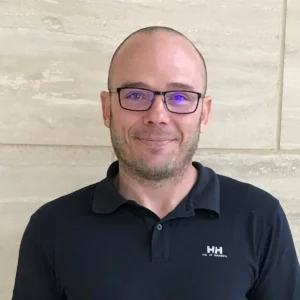
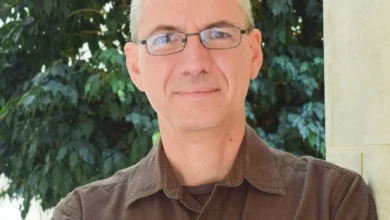
Brianna Stubbs, PhD, Director of Translational Science at the Buck Institute, articulated the core mission of this new endeavor. "This Core gives us a way to translate our science, where appropriate, into people," Stubbs stated. Her leadership, in conjunction with Assistant Professor John Newman MD, PhD, underscores the interdisciplinary approach driving the CRC. Dr. Newman, who also holds a faculty position in the Division of Geriatrics at UCSF and practices geriatric medicine at the San Francisco Veterans Hospital, brings a unique dual perspective to the initiative. His involvement bridges the gap between his clinical practice, where he witnesses the daily impact of aging on patients, and his fundamental research laboratory at the Buck. The CRC’s establishment has provided him a direct conduit to connect these two vital spheres of his work.
The journey from a laboratory discovery to a clinical intervention is often arduous and complex. Dr. Newman highlighted this challenge, noting that basic science and clinical research have historically operated in distinct silos, often with differing methodologies, terminologies, and priorities. This separation can impede the efficient progression of promising research findings. Recognizing this long-standing obstacle, Dr. Newman was involved in early initiatives a decade ago aimed at accelerating the translation of geroscience research. These efforts focused on fostering collaboration and mutual understanding between basic scientists and clinical researchers. Now, he is applying these hard-won lessons at the Buck Institute, orchestrating a seamless transition from the laboratory bench to the patient bedside.
"It’s extremely rewarding to work on bringing discoveries from my own and other Buck labs from the bench to the bedside," Dr. Newman shared. "The older patients I care for in the hospital could really benefit one day from this effort, as could all of us. So for me, the work is very personal; it’s my mission." This deeply personal commitment is a driving force behind the CRC’s ambitious agenda. Furthermore, Dr. Newman emphasized that the Buck’s center is part of a broader global movement to establish translational geroscience centers. These collaborative networks aim to standardize research protocols and cultivate a new generation of investigators dedicated to the field of aging research.
The Clinical Research Core: A Hub for Human Aging Studies
The physical infrastructure of the Clinical Research Core has been meticulously designed to facilitate comprehensive clinical studies. It encompasses a versatile meeting area, dedicated study rooms, and specialized equipment such as exercise bikes and tools for precisely measuring physical and cognitive function. Crucially, the CRC also houses facilities for the meticulous processing and secure storage of biological samples. These samples are then shared with various laboratories across the Buck Institute, enabling state-of-the-art molecular analyses. This integrated approach allows researchers to forge direct links between human biology and the fundamental scientific principles uncovered in basic research. The data meticulously collected and generated within the CRC will be instrumental in scientific publications and presentations, contributing vital knowledge to the broader field of aging research and potentially guiding the development of novel interventions and therapeutics.
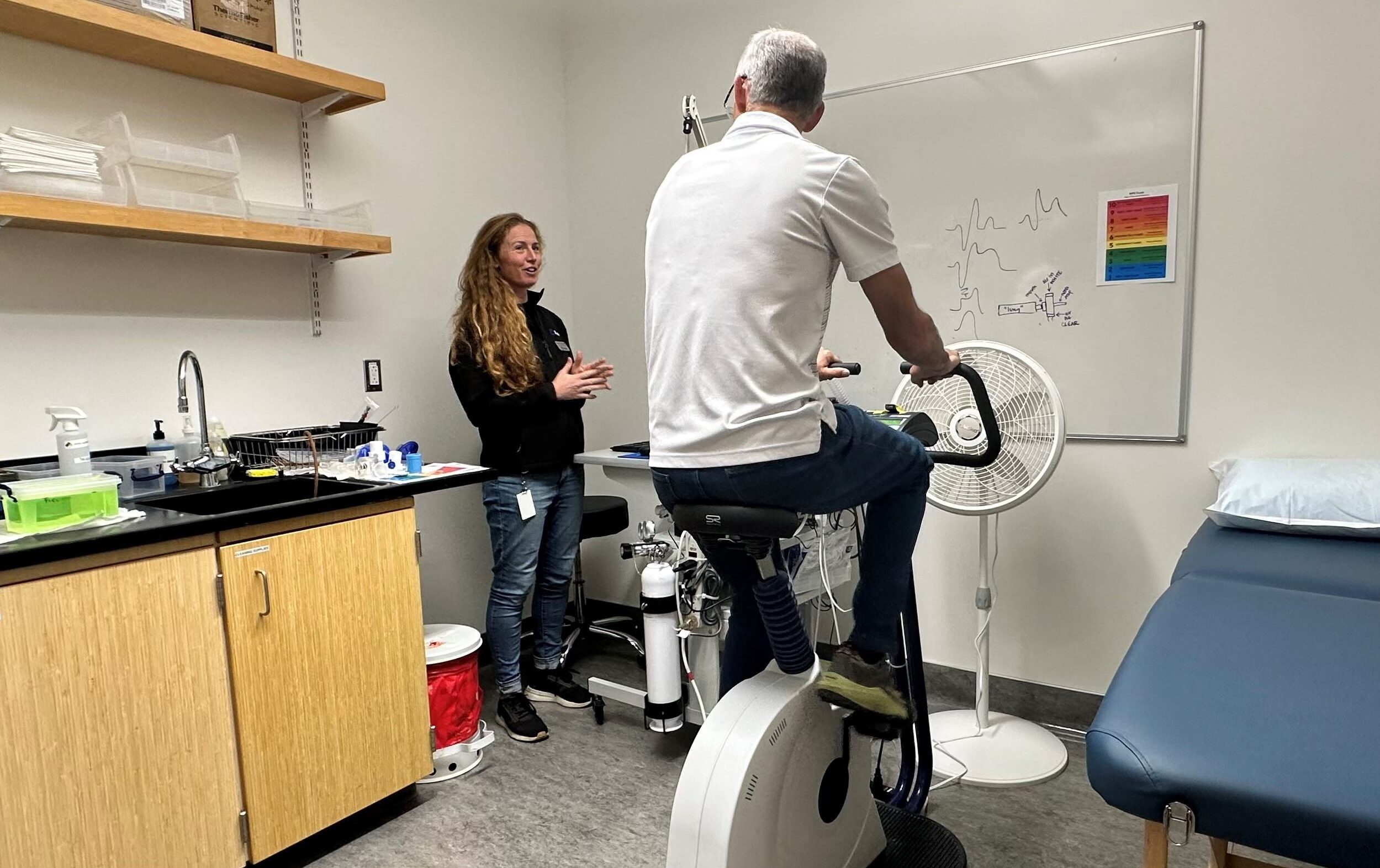
It is important to clarify the operational scope of the CRC. The center does not function as a clinical medical practice; it does not diagnose conditions or prescribe medications. Instead, its focus is on conducting rigorous scientific studies. These studies encompass a diverse range of participants, from healthy younger individuals and elite older athletes to older adults managing chronic conditions and those beginning to experience age-related functional declines. Dr. Newman stressed the inclusive nature of these studies, stating, "You don’t have to be running marathons. We need to study aging in all of us, especially people who are experiencing its effects." This inclusive approach is critical for understanding the multifaceted nature of aging and its varied impacts across the population.
The presence of dedicated human study capacity at the Buck Institute is expected to significantly accelerate the research process for scientists exploring the human relevance of their basic biological discoveries. "The biggest barrier to translation is that very first step," Dr. Newman observed, underscoring the importance of the CRC in removing this initial hurdle.
Brianna Stubbs reiterated the complementary nature of the CRC’s work. "The Clinical Research Core is meant to be accretive to doing good basic science, not to take away from it," she explained. "It’s energizing for everyone here to see this next step in the work, and we hope that can be a big continuing part of what we do at the Buck." This sentiment reflects the enthusiasm and forward-looking vision that permeates the institute as it embarks on this new chapter.
Building on a Foundation of Excellence in Aging Research
The Buck Institute has a distinguished history of advancing the understanding of aging. Founded in 1999, it was the first independent research institute dedicated solely to understanding the biology of aging and improving the health of older people. Its faculty comprises world-leading scientists employing a diverse array of approaches to unravel the complex processes of aging. Research at the Buck spans fundamental cellular and molecular mechanisms, including genetics, epigenetics, metabolism, and cellular senescence, to more applied areas like neurodegenerative diseases, cancer, and metabolic disorders.
Key areas of focus have included:
- Genetics and Epigenetics: Investigating how changes in DNA sequence and epigenetic modifications influence aging and age-related diseases.
- Metabolism and Nutrition: Exploring the role of metabolic pathways and dietary interventions in modulating lifespan and healthspan.
- Cellular Aging: Studying processes like cellular senescence and mitochondrial dysfunction that contribute to tissue decline.
- Neuroscience: Researching the aging brain and its susceptibility to diseases like Alzheimer’s and Parkinson’s.
- Regenerative Medicine: Investigating strategies to repair or replace damaged tissues and organs affected by aging.
The institute’s research model organisms, including C. elegans (a nematode worm), Drosophila melanogaster (fruit fly), and laboratory mice, have provided invaluable insights into conserved aging pathways. For instance, studies in these organisms have identified interventions that can extend lifespan and delay the onset of age-related pathologies, laying the groundwork for potential human applications. The CRC’s establishment signifies a crucial step in translating these foundational findings into human-relevant studies.
The Translational Imperative: A Global Movement
The Buck Institute’s foray into clinical research is not an isolated development but part of a growing global recognition of the need for dedicated translational geroscience initiatives. Aging is a primary risk factor for a vast majority of chronic diseases, including cardiovascular disease, cancer, diabetes, Alzheimer’s disease, and osteoporosis. By understanding and intervening in the aging process itself, scientists aim to delay or prevent the onset of multiple diseases simultaneously, rather than treating them individually.

Organizations and governments worldwide are increasingly investing in geroscience research and its translation. The National Institute on Aging (NIA) in the United States, for example, has been a significant funder of aging research and has supported initiatives to bridge the gap between basic science and clinical application. International collaborations and consortia are emerging, fostering the exchange of knowledge and resources to accelerate progress. The development of standardized protocols and training programs, as mentioned by Dr. Newman, is essential for ensuring the rigor and comparability of research findings across different institutions and geographical locations.
Implications and Future Directions
The launch of the Clinical Research Core has profound implications for the future of aging research and public health:
- Accelerated Discovery: By co-locating basic science and clinical research capabilities, the Buck Institute can significantly shorten the timeline from discovery to potential intervention.
- Personalized Aging Strategies: The CRC’s ability to study diverse populations will enable a more nuanced understanding of how aging affects different individuals, paving the way for personalized approaches to healthy aging.
- New Therapeutic Development: The data generated from CRC studies will be crucial for identifying and validating novel drug targets and therapeutic strategies aimed at promoting healthspan.
- Public Engagement and Education: The CRC provides a platform for engaging the public in cutting-edge aging research, fostering greater awareness and participation in clinical trials.
The initial community response to the new clinical research program has been overwhelmingly positive, reflecting a strong public interest in aging well and contributing to scientific progress. The institute is committed to transparency and ongoing communication with the community.
For those interested in learning more about the Buck Institute’s clinical trials or expressing interest in participation, detailed information is available on their website at https://www.buckinstitute.org/clinical-trials/. A recent community seminar by Brianna Stubbs focusing on the institute’s clinical trials can be viewed on YouTube.
This initial overview of the Clinical Research Core sets the stage for further exploration. Readers are encouraged to look out for Part 2 of this series, which will delve deeper into specific research areas and ongoing studies within the CRC, to be published in the Buck Blog in two weeks. The establishment of the CRC represents a bold and necessary step forward in the global effort to extend not just lifespan, but also healthspan, ensuring that individuals can live healthier, more vibrant lives as they age.
Related posts: