Cultivating Inner Kindness: Dr. Kristin Neff on the Transformative Power of Self-Compassion

A recent segment from "Happiness Break," a series by "The Science of Happiness" podcast, featured psychologist Dr. Kristin Neff guiding listeners through a gentle yet profound loving-kindness meditation. This practice, a cornerstone of mindfulness, was uniquely tailored by Dr. Neff to foster inward-directed compassion, encouraging individuals to extend the same care and goodwill they naturally offer to others, to themselves. The session, introduced by Dacher Keltner, highlighted Dr. Neff’s pioneering work in the field of self-compassion, underscoring its empirically proven benefits for mental and emotional well-being.
The Essence of Self-Compassion: A Paradigm Shift in Well-being
Dr. Kristin Neff, an associate professor in the University of Texas at Austin’s department of educational psychology, is widely recognized as a leading expert and researcher in the burgeoning field of self-compassion. Her work challenges conventional approaches to self-esteem, proposing self-compassion as a more stable and beneficial psychological construct. Self-compassion, as conceptualized by Dr. Neff, comprises three core components: self-kindness, common humanity, and mindfulness.
Self-kindness involves treating oneself with warmth and understanding when encountering suffering or personal shortcomings, rather than harsh self-criticism. This is a direct contrast to the often punitive internal dialogue many individuals engage in. Common humanity recognizes that suffering and personal inadequacy are universal experiences, inherent to the human condition, rather than isolated personal failings. This perspective helps to mitigate feelings of isolation and shame. Finally, mindfulness entails observing one’s thoughts and emotions with openness and clarity, without judgment or over-identification, allowing for a balanced awareness of painful experiences. Together, these three elements form a robust framework for responding to personal difficulties with kindness and wisdom.
The Scientific Foundation: Empirical Evidence for Self-Kindness
The integration of self-compassion into psychological practice and research has been a significant development over the past two decades. Early psychological theories often emphasized self-esteem as the primary metric for psychological health. However, research began to reveal that high self-esteem, when contingent on external validation or superiority, could lead to narcissism, aggression, and unstable self-worth. It was within this context that Dr. Neff, alongside other researchers like Dr. Christopher Germer, began to explore and validate self-compassion as a healthier, more stable alternative.
Numerous studies, including extensive research conducted by Dr. Neff and her colleagues, have consistently demonstrated a strong correlation between self-kindness and improved psychological outcomes, irrespective of age or gender. For instance, a meta-analysis published in Clinical Psychology Review in 2011, encompassing dozens of studies, indicated that higher levels of self-compassion are associated with significantly lower levels of anxiety, depression, and stress. Individuals who practice self-compassion tend to experience less rumination, perfectionism, and fear of failure.
Beyond the reduction of negative states, self-compassion has been linked to an increase in positive psychological resources. Research suggests it fosters greater resilience, enabling individuals to cope more effectively with adversity and bounce back from setbacks. It enhances motivation, not through harsh self-criticism, but through a desire for well-being and growth. Furthermore, self-compassion has been shown to increase feelings of interconnectedness and, paradoxically, to promote greater compassion towards others. This effect is often attributed to the idea that one must first fill their own cup before they can genuinely pour into others. When individuals are kind to themselves, they are less likely to project their inner frustrations and insecurities onto those around them.
The neurobiological underpinnings of self-compassion are also gaining traction in scientific inquiry. Studies using fMRI have shown that engaging in self-compassionate practices can activate brain regions associated with caregiving and reward, such as the insula and anterior cingulate cortex, while dampening activity in areas linked to self-criticism and fear. This suggests that self-compassion may tap into the mammalian caregiving system, fostering a sense of safety and soothing that can reduce the physiological stress response. The release of oxytocin, often dubbed the "love hormone," has also been implicated in self-compassionate states, further contributing to feelings of calmness and connection.
A Gentle Guide: Deconstructing the Inward-Focused Loving-Kindness Meditation
The specific meditation guided by Dr. Neff on "Happiness Break" is a powerful adaptation of the traditional Buddhist practice of Metta or loving-kindness meditation. Historically, Metta involves cultivating unconditional friendliness and goodwill towards oneself, then progressively extending it to loved ones, neutral individuals, difficult individuals, and finally to all beings. Dr. Neff’s approach, however, strategically centers on making self-compassion more accessible by initially drawing upon the innate human capacity for loving-kindness towards others.
The practice begins with a grounding exercise, where participants are invited to close their eyes or cast their gaze downward, bringing attention to their physical presence – the feeling of feet on the floor, the weight of the body in the chair, and the natural rhythm of breath. This initial step establishes a mindful awareness, a prerequisite for deeper internal work.
-
Cultivating Goodwill for Others: The core innovation of this specific meditation lies in first calling to mind an image of someone with whom one shares an "easy, uncomplicated relationship." This could be a dear friend, a grandchild, or even a beloved pet – any being for whom feelings of love and goodwill arise effortlessly. The participant is encouraged to visualize this loved one’s face and reflect on the natural desire for their happiness and well-being. This stage is crucial because it leverages a pre-existing emotional pathway, making it easier to access the feeling of loving-kindness without the typical resistance often encountered when attempting to direct it inward from the outset. Phrases like "May you be safe, may you be peaceful, may you be healthy, may you be free from suffering" are offered as expressions of these deep wishes.
-
Extending the Circle to Include Oneself: The next step involves a gentle yet significant expansion of this circle of goodwill. Participants are invited to imagine themselves alongside their loved one, including themselves in the mental image and the spoken wishes. The phrasing shifts to "May you and I be safe. May we be safe. May you and I be peaceful, may we be healthy, as healthy as possible, and may we be free from suffering." This transitional phase subtly integrates the self into the experience of loving-kindness, making the idea of receiving such care less daunting by having it shared with a beloved other.
-
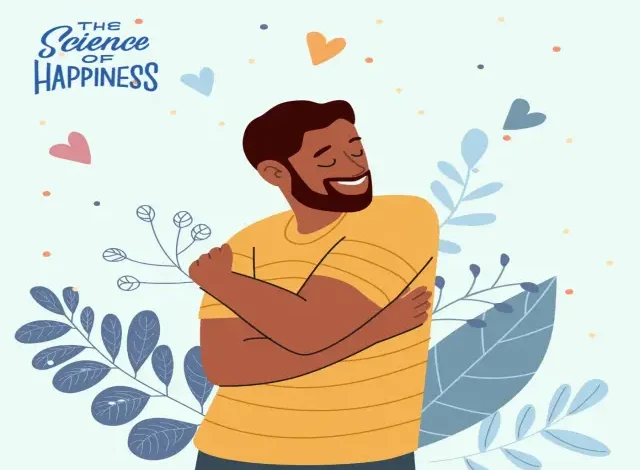
Focusing Solely on Self-Directed Kindness: Finally, the meditation culminates in a singular focus on the self. The image of the loved one is gently released, perhaps with a silent thank you, allowing full attention to settle on one’s own being. Participants are encouraged to place a hand over their heart, give themselves a gentle hug, or hold their own hand – a physical gesture of self-comfort. This physical touch, combined with the visualization of one’s whole body, helps to anchor the experience in the present moment. The wishes are then directed entirely inward: "May I be safe, as safe as possible. May I be peaceful, may I be healthy, as healthy as I can be, and may I be free from suffering." The repetition of these phrases reinforces the intention of self-care and acceptance. The practice concludes with a period of quiet rest, allowing the sensations and feelings to settle, with an emphasis that loving-kindness is about goodwill, not necessarily about immediate "good feelings."
Addressing the Modern Malaise: Self-Compassion and Burnout
Dr. Neff’s focus on self-compassion extends directly to one of the most pervasive challenges of modern life: burnout. Burnout, characterized by emotional exhaustion, cynicism, and a reduced sense of personal accomplishment, has become an alarming epidemic across various professions and demographics. The World Health Organization officially recognized burnout as an "occupational phenomenon" in its International Classification of Diseases (ICD-11) in 2019, highlighting its widespread impact. Surveys consistently show high rates of burnout among healthcare professionals, educators, parents, and corporate employees, exacerbated by societal pressures, demanding work environments, and the blurring lines between work and personal life. For example, a 2023 Gallup study revealed that 77% of employees have experienced burnout at their current job.
Dr. Neff is the co-author of ‘Mindful Self-Compassion for Burnout,’ a resource specifically designed to offer practical tools for individuals to heal and recharge from this debilitating condition. The principles of self-compassion are particularly potent in addressing burnout because they directly counter the self-critical narratives and feelings of inadequacy that often accompany it. When individuals are overwhelmed and depleted, their inner critic often intensifies, blaming them for their inability to cope or meet escalating demands. Self-compassion provides an antidote, offering kindness and understanding instead of judgment. By practicing self-kindness, individuals can acknowledge their struggles without exacerbating them. Recognizing common humanity helps to alleviate the sense of isolation and shame that often makes burnout feel like a personal failing. Mindfulness allows for a clear, non-judgmental observation of the symptoms of burnout, preventing emotional overwhelm.
The Broader Landscape of Compassion Practices and Resources
The "Happiness Break" series is part of a larger initiative by "The Science of Happiness," a podcast that explores the roots of a meaningful life through scientific research and practical exercises. Dacher Keltner, the host, is a professor of psychology at the University of California, Berkeley, and the founder of the Greater Good Science Center, which focuses on the science of compassion, gratitude, and altruism. This platform frequently features leading experts like Dr. Neff, making cutting-edge psychological research accessible to a broad audience.
The discussion surrounding Dr. Neff’s meditation also highlighted several related resources, underscoring the interconnectedness of various well-being practices:
- More Happiness Breaks: These include "A Self-Compassion Meditation For Burnout," "The Healing Power of Your Own Touch," and "Take a Break With Our Loving-Kindness Meditation," indicating a consistent focus on practical, actionable steps for mental health.
- Related Science of Happiness episodes: Topics like "Why Compassion Requires Vulnerability," "The Science of Letting Go," and "The Contagious Power of Compassion" provide deeper contextual understanding of the psychological principles underpinning self-compassion.
These resources collectively point to a growing recognition of compassion – both for self and others – as a fundamental skill for navigating the complexities of modern life. The availability of free, guided meditations, such as the 20-minute loving-kindness meditation on Dr. Neff’s website, democratizes access to these powerful practices, enabling individuals to integrate them into their daily routines.
Implications and Future Directions
The increasing scientific validation and public accessibility of self-compassion practices like Dr. Neff’s inward-focused loving-kindness meditation carry significant implications for mental health and societal well-being.
- Shifting Mental Health Paradigms: It reinforces a move away from purely deficit-based models of psychology towards strength-based approaches that cultivate inherent human capacities for kindness and resilience.
- Preventive Mental Health: Integrating self-compassion into educational curricula and workplace wellness programs could serve as a powerful preventive measure against stress, anxiety, and burnout, fostering healthier, more productive environments.
- Enhanced Interpersonal Relationships: By reducing self-criticism and increasing emotional stability, self-compassion can lead to more authentic, empathetic, and less reactive interactions with others, thereby improving interpersonal and communal relationships.
- Personal Empowerment: The practice empowers individuals with a tangible tool to manage their emotional landscape, fostering a sense of agency and self-efficacy in navigating life’s inevitable challenges.
The ongoing research into self-compassion continues to explore its efficacy across diverse populations, clinical conditions (such as eating disorders, trauma, and chronic pain), and its role in promoting prosocial behavior. The ability to measure and understand the neural mechanisms involved further strengthens its credibility as a legitimate and powerful intervention.
Listeners are encouraged to engage with the "Happiness Break" community by sharing their experiences with the practice at [email protected] or using the hashtag #happinesspod, fostering a collective dialogue around these transformative tools. This communal aspect further solidifies the principle of common humanity, reminding individuals that their journey towards self-kindness is a shared human endeavor.
In an era marked by relentless demands and often harsh self-judgment, the simple yet profound act of extending loving-kindness inward, as advocated by Dr. Kristin Neff, offers a vital pathway to inner peace, resilience, and a more compassionate world. It is a reminder that the journey to well-being often begins with the gentle embrace of oneself.