Beyond the Burn: Dissecting the Science of Modern Fitness Recovery Trends and Muscle Soreness

The sensation of a completed, high-intensity workout is universally accompanied by a distinct psychological satisfaction, which is invariably followed hours later by the onset of delayed-onset muscle soreness, commonly referred to as DOMS. This physiological discomfort, which frequently peaks between 24 and 72 hours post-exercise, routinely transforms simple daily activities—such as climbing stairs, lifting groceries, or rising from a chair—into formidable physical challenges. In an effort to mitigate this persistent discomfort, a growing segment of recreational gym-goers and fitness enthusiasts are adopting sophisticated recovery protocols historically reserved for elite professional athletes. Driven by the pervasive influence of social media platforms and the commercialization of sports science, the wellness market has experienced a massive surge in the popularity of interventions ranging from sub-zero ice baths and high-pressure compression garments to targeted massages and an endless array of recovery supplements.
While the multi-billion-dollar fitness recovery industry aggressively markets these products and modalities with promises of accelerated healing, diminished muscle soreness, and enhanced athletic performance, a critical examination of peer-reviewed scientific literature reveals a significantly more nuanced reality. The physiological mechanisms governing muscle repair and adaptation are complex, and interventions that alleviate short-term subjective discomfort do not always align with long-term physiological progress. Understanding the true efficacy of these popular recovery trends requires a rigorous look into the physiological data, historical context, and biochemical trade-offs inherent in physical training.
The Chronology and Historical Context of Athletic Recovery
For decades, recovery was viewed through a relatively minimalist lens, prioritizing adequate rest, hydration, and nutritional replenishment using whole foods. Elite sports science departments in the late 20th century began experimenting with external interventions, such as contrast water therapy and localized cryotherapy, to help professional athletes manage grueling competition schedules characterized by matches or events occurring every few days. However, these techniques remained largely inaccessible to the general public due to cost and logistical constraints.
The landscape shifted dramatically over the past decade. The proliferation of affordable home-plunge tubs, smart compression devices, and direct-to-consumer supplement brands, amplified exponentially by fitness influencers on platforms like Instagram and TikTok, democratized access to these elite modalities. By the early 2020s, the global recovery and wellness market had expanded into a massive commercial sector. Yet, as the consumer adoption rate accelerated, sports scientists and exercise physiologists increasingly voiced concerns that the marketing rhetoric was far outpacing empirical evidence. Researchers began conducting controlled trials to isolate the psychological placebo effects from genuine physiological adaptations, leading to a modern re-evaluation of what actually works when muscle fibers repair and rebuild.
Ice Baths and Cold-Water Immersion: The Trade-Off Between Pain Relief and Muscle Growth
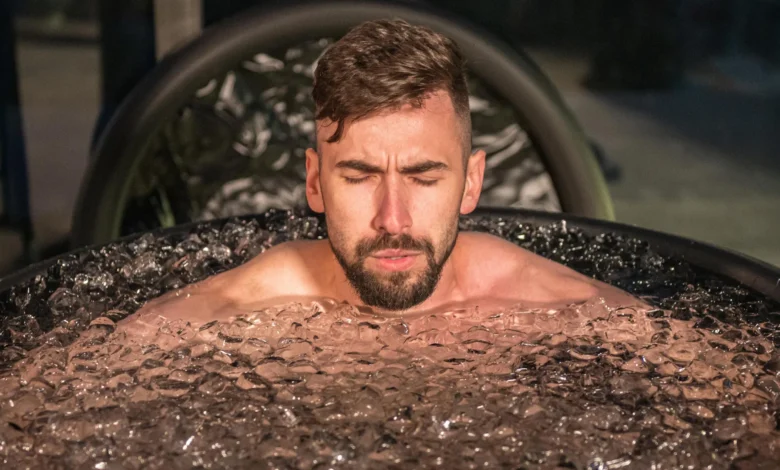
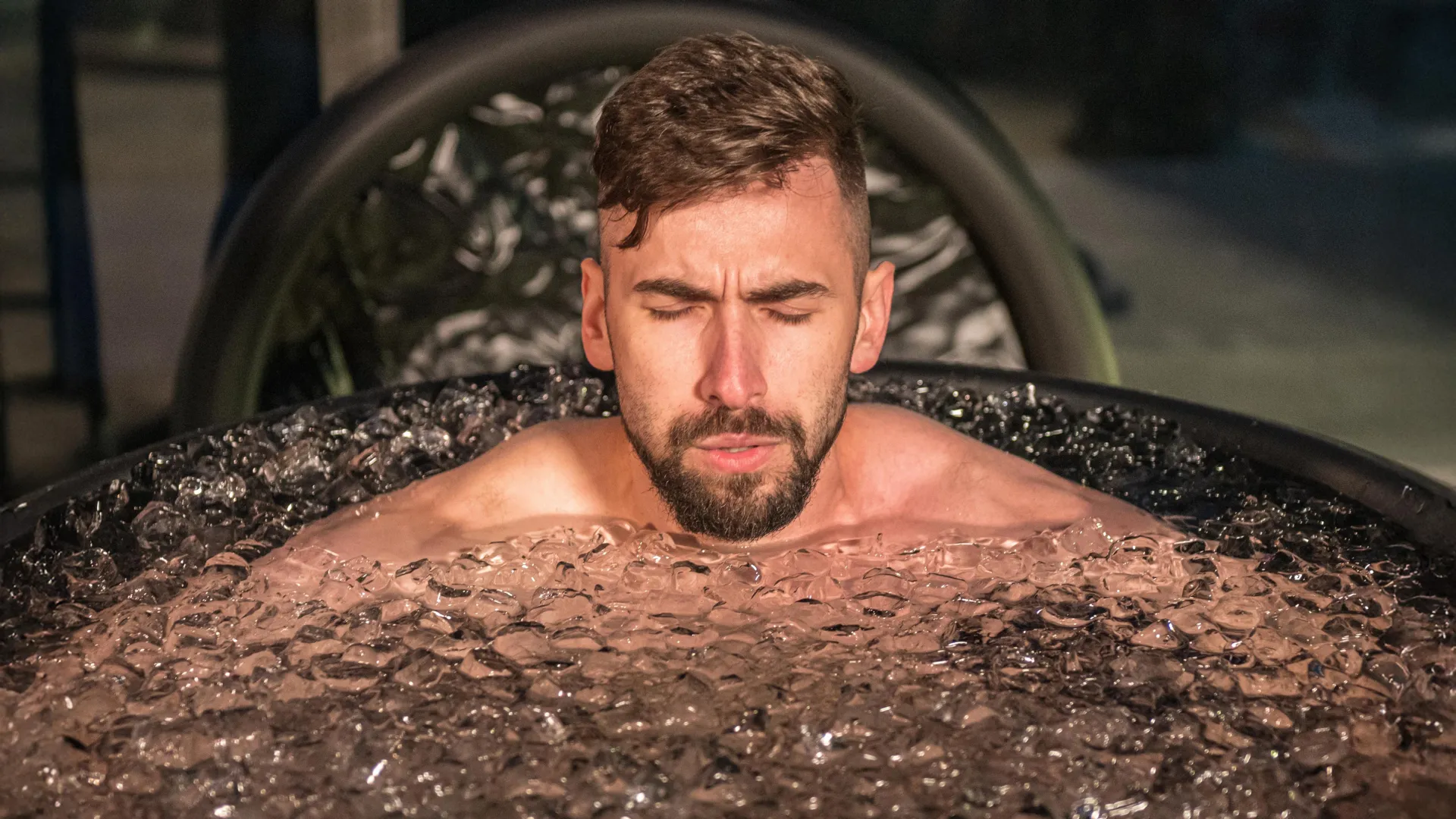
Few recovery strategies have captured the public imagination—or generated as much academic debate—as cold-water immersion, commonly known as ice baths. Typically involving the immersion of the body in water maintained below 15 degrees Celsius for a designated duration, this modality is celebrated for its immediate numbing and anti-inflammatory properties.
From a physiological standpoint, cold exposure induces intense peripheral vasoconstriction, shunting blood away from the extremities toward the core. Upon exiting the cold environment, reactive vasodilation occurs, flushing fresh oxygenated blood through the tissues. This process effectively dampens acute systemic and local inflammation. Clinical research indicates that this reduction in inflammatory markers can successfully decrease immediate muscle soreness and help athletes recover a degree of muscular function within a constrained 24-hour window.
However, a fundamental biological paradox complicates the routine use of ice baths. Inflammation is not merely a pathological byproduct of tissue damage; it is a vital, evolutionarily conserved signaling mechanism that triggers cellular adaptations necessary for muscle hypertrophy—the process by which muscle fibers grow larger and stronger in response to resistance training. By aggressively suppressing the inflammatory cascade with cold-water immersion immediately following a strenuous workout, individuals may inadvertently blunt the intracellular signaling pathways required for long-term muscle adaptation and strength gains.
Exercise physiologists emphasize a crucial distinction: while ice baths successfully side-step short-term pain, they frequently sacrifice long-term athletic gains if utilized systematically after every single training session. Consequently, sports science consensus advises reserving cold-water immersion strictly for scenarios where rapid, functional recovery within a compressed timeframe is an absolute competitive priority, rather than a routine post-workout habit.
Compression Garments: Physiological Reality Versus Perceived Recovery
Compression garments, ranging from graduated stockings and tight sleeves to full-body suits, have become ubiquitous in locker rooms and running tracks alike. Designed to apply continuous, graduated external pressure to the limbs, these garments are theoretically intended to mechanically support superficial veins, enhance venous return, improve circulatory efficiency, and limit interstitial swelling following exhaustive exercise.
Despite their widespread popularity, empirical studies evaluating whether compression garments genuinely accelerate actual muscle tissue recovery have yielded decidedly mixed results. While proponents argue that the physical sensation of tightness offers immediate comfort, isolating the true physiological impact from the psychological placebo effect has historically challenged researchers.
To address this methodological hurdle, a landmark 2022 study published in scientific literature put compression garments to a rigorous double-blind test. Researchers divided participants into two cohorts: one group utilized legitimate medical-grade compression garments, while the control group was provided with placebo garments and informed that they possessed equivalent therapeutic efficacy. The objective measurements revealed that true compression garments genuinely improved localized circulation and enhanced blood flow within the muscle tissue, whereas the inert placebo devices produced no such measurable vascular changes.
Nevertheless, when researchers tracked subsequent athletic performance markers, the improvements in blood flow did not translate into a statistically significant acceleration in functional muscle recovery or strength restoration. The data suggests that while compression garments produce genuine, verifiable physiological alterations in circulation, their primary benefit for most users lies in the psychological comfort and subjective reduction of limb fatigue they provide, rather than a miraculous restoration of muscle tissue integrity.
Massage Therapy: Mitigating Stiffness Without Miraculous Performance Restoration
Massage therapy stands out as one of the few recovery interventions supported by a relatively consistent body of scientific literature confirming its ability to alleviate subjective muscle soreness and enhance perceived physical well-being post-exercise. Whether delivered by a licensed professional or administered via mechanical percussion devices—commonly known as massage guns—soft tissue manipulation is a staple of modern athletic regimens.
The exact biochemical mechanisms responsible for the recovery benefits of massage remain an active area of investigation among sports scientists. Current hypotheses suggest that mechanical pressure helps disrupt localized fascial adhesions, reduces passive muscle stiffness, stimulates localized microcirculation, and activates the parasympathetic nervous system to induce systemic relaxation.
Despite these clear subjective and neurological benefits, objective assessments of subsequent physical performance and muscular power output following massage therapy present a more modest and inconsistent picture. While a post-workout massage reliably makes an individual feel less sore and psychologically refreshed, it does not fundamentally alter the rate at which microscopic muscle tears repair themselves at a cellular level. Massage remains a highly effective tool for managing the physical discomfort and tightness associated with heavy training loads, but athletes are advised not to view it as a shortcut for rapid physiological tissue regeneration.
The Supplement Landscape: Separating Scientific Fact From Commercial Hype
The nutritional supplement market represents a multi-billion-dollar commercial enterprise dominated by brightly colored powders, flavored drinks, and encapsulated compounds promising miraculous reductions in soreness and accelerated recovery timelines. However, a rigorous examination of nutritional science demonstrates that supplements are far from uniform in their efficacy. While certain well-researched compounds offer marginal, scientifically validated benefits, others are propped up by marketing claims that lack empirical backing.
Whey protein is arguably one of the most thoroughly investigated supplements in sports nutrition. As a complete protein derived from dairy, it boasts a high concentration of essential amino acids, particularly leucine, which serves as a primary biochemical trigger for muscle protein synthesis—the metabolic pathway responsible for repairing and building muscle tissue. Clinical trials consistently demonstrate that whey protein supplementation provides small-to-moderate benefits for overall muscle recovery, though its direct ability to alleviate the intensity of delayed-onset muscle soreness remains inconsistent across demographic groups.
In contrast, branched-chain amino acids (BCAAs), which typically comprise leucine, isoleucine, and valine, have experienced immense popularity among gym-goers based on the premise that isolated leucine intake maximally stimulates protein synthesis. Yet, independent scientific evaluations indicate that BCAAs are significantly less effective for comprehensive muscle recovery than complete protein sources. Muscle repair is a holistic biological process that requires the presence of all nine essential amino acids—a requirement that isolated BCAA supplements fail to meet. Whole-food sources such as poultry, lean beef, fish, and plant-based alternatives like tofu inherently provide the full spectrum of essential amino acids required for optimal tissue repair.
Tart cherry juice has emerged as a prominent fixture in the modern fitness supplement sphere due to its exceptionally high concentration of polyphenols—bioactive plant compounds renowned for their potent antioxidant and anti-inflammatory properties. Emerging research indicates that consistent consumption of tart cherry juice yields small-to-moderate effects in mitigating the severity of post-workout muscle damage, reducing markers of systemic inflammation, and accelerating the restoration of maximal muscular strength and power following exhaustive exercise protocols.
Omega-3 fatty acids, commonly sourced from fish oil supplements, are similarly championed for their anti-inflammatory capabilities. While targeted studies suggest that omega-3 supplementation can modestly attenuate muscle soreness and assist in preserving functional capacity after strenuous physical exertion, the broader body of research remains inconsistent. Consequently, omega-3 supplements are best viewed as a supportive dietary adjunct rather than a transformative recovery catalyst.
Crucially, sports nutritionists emphasize that virtually all of the beneficial micronutrients and macronutrients found in commercial supplements can be efficiently obtained through a well-structured, nutrient-dense, whole-food diet. Furthermore, nutritional science strongly indicates that obtaining these elements from whole foods is nutritionally superior, as whole foods deliver complex matrices of vitamins, minerals, and fiber that interact synergistically to support long-term metabolic health and athletic longevity.
Implications and the Path Forward for Fitness Enthusiasts
The overarching consensus derived from contemporary sports science is that while popular recovery interventions can successfully modulate subjective feelings of soreness and transient discomfort, they possess a limited capacity to fundamentally accelerate the underlying biological processes of muscle repair and functional restoration.
The most robust, scientifically validated foundation for optimal physical recovery remains rooted in the fundamental pillars of human physiology: consistent, high-quality sleep, adequate hydration, energy balance, and a balanced diet rich in whole foods. As the fitness industry continues to innovate and commercialize novel recovery technologies, the definitive takeaway for athletes and recreational gym-goers alike is a humbling reminder that true physiological recovery is an intrinsic biological process that cannot be bottled, marketed, and sold.
Related posts: