Resveratrol and Metabolic Health: A Comprehensive Analysis of Emerging Clinical Evidence

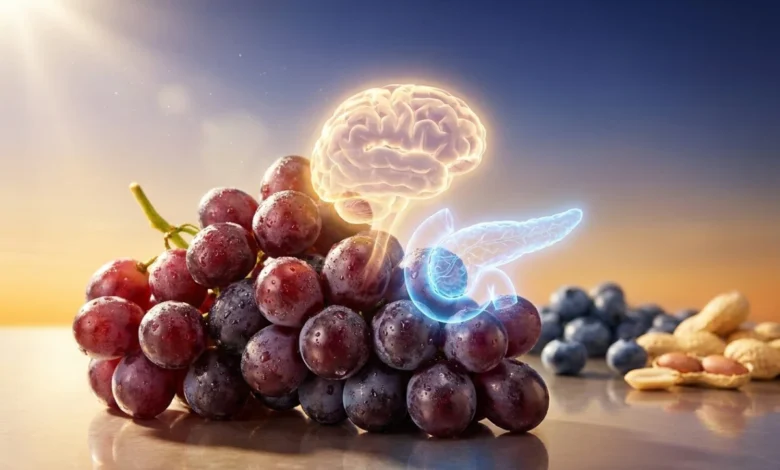
A 2026 review published in Frontiers in Nutrition has cast a renewed spotlight on resveratrol, a naturally occurring polyphenol that has long been a subject of interest in both nutritional science and gerontology. As researchers continue to investigate the compound’s physiological impact, the study provides a critical assessment of how this antioxidant—found in the skins of red grapes, various berries, peanuts, and dark chocolate—interacts with human metabolic and cognitive pathways. While preliminary data suggest potential advantages for glycemic control and brain health, the scientific community emphasizes the necessity of distinguishing between established laboratory observations and definitive clinical applications in humans.
Resveratrol functions as a stilbenoid, a type of natural phenol, and a phytoalexin produced by several plants in response to injury or pathogen attack. In the context of human biology, it has gained notoriety for its purported ability to modulate cellular pathways involved in energy metabolism, specifically through the activation of SIRT1 (sirtuin 1) and AMPK (adenosine monophosphate-activated protein kinase). These pathways are central to the regulation of cellular energy, inflammation, and mitochondrial function, making them prime targets for therapeutic interventions regarding metabolic syndrome and age-related cognitive decline.
The Mechanism of Glycemic Control
The 2026 review highlights a significant body of evidence pointing toward resveratrol’s role in managing blood sugar levels. For individuals diagnosed with Type 2 diabetes, the compound appears to exert influence over glycemic control by enhancing the body’s response to insulin and protecting the functional integrity of pancreatic beta cells. These cells are responsible for the synthesis and secretion of insulin, the hormone essential for glucose homeostasis. When these cells are compromised by oxidative stress—a byproduct of chronic inflammation and metabolic dysfunction—insulin production falters, leading to the hyperglycemia characteristic of diabetes.
By neutralizing free radicals and suppressing inflammatory markers, resveratrol may mitigate the oxidative damage that leads to beta-cell apoptosis. Furthermore, the activation of SIRT1 is believed to enhance insulin sensitivity in peripheral tissues, such as skeletal muscle and the liver, thereby facilitating more efficient glucose uptake. However, the review notes that while these results are promising, the majority of current data are derived from cohorts specifically managing Type 2 diabetes. Consequently, the researchers caution against extrapolating these benefits to the general population until large-scale, longitudinal studies can confirm similar outcomes in healthy individuals or those with pre-diabetes.
Cognitive Performance and Neurological Protection
Beyond its metabolic implications, resveratrol has emerged as a candidate for cognitive support. A notable 2020 clinical trial involving women between the ages of 45 and 85 provided data suggesting that consistent, daily supplementation over the course of one year led to measurable improvements in cognitive performance. This finding is corroborated by a separate two-year study focused on postmenopausal women, which observed not only cognitive enhancement but also improved cerebral blood flow.
The mechanism behind these improvements is thought to be twofold: first, the reduction of neuroinflammation and oxidative stress within the brain, and second, the potential improvement of vascular health, which ensures adequate oxygen and nutrient delivery to neural tissues. The parallels between these human findings and earlier preclinical studies—such as a 2005 study in gerbils demonstrating that grape-derived supplements could ameliorate damage following cerebral ischemia—suggest a consistent, if still evolving, biological story. Despite these positive indicators, it remains premature to conclude that resveratrol acts as a prophylactic against neurodegenerative diseases like Alzheimer’s or dementia. Clinical researchers emphasize that while the compound may support cognitive function in specific demographics, it cannot be categorized as a cure-all or a definitive preventative measure for age-related cognitive decline.
Evaluating Cellular Senescence and Longevity
One of the most persistent areas of interest surrounding resveratrol is its potential role in addressing cellular senescence. Senescence occurs when cells cease to divide but remain metabolically active, often secreting inflammatory factors that contribute to tissue degradation and systemic aging. Because resveratrol is known to influence mitochondrial activity and cardiovascular function, it has been frequently tested for its ability to delay this aging process.

However, a significant gap remains between laboratory-based research and clinical reality. The vast majority of studies demonstrating "anti-aging" properties have been conducted on cell cultures or animal models, such as rats. While these studies have shown potential in reducing the risk of vascular dementia and improving cellular vitality, human clinical evidence remains insufficient. Scientists advise that, at present, there is no validated clinical data to support the claim that resveratrol can significantly extend the human lifespan or fundamentally halt the biological aging process. The complexity of human metabolism, compared to the controlled environments of laboratory trials, suggests that these mechanisms may operate differently or less potently in a whole-body system.
Nutritional Sources vs. Supplementation
For those interested in incorporating resveratrol into their health regimen, the question of source is paramount. Resveratrol is present in a variety of dietary staples, including red wine, grapes, blueberries, and cranberries. However, the concentration of the compound in these foods is relatively low. To achieve the dosages utilized in the clinical trials cited in the 2026 review, consumption would require an impractical volume of food or wine, the latter of which would introduce significant ethanol-related health risks.
Consequently, supplement manufacturers have developed concentrated resveratrol extracts. Molly Knudsen, M.S., R.D.N., notes that when selecting a supplement, consumers must prioritize ingredient quality, dosage accuracy, and bioavailability. Because resveratrol has low solubility and rapid metabolism in the body, its bioavailability is often a limiting factor. To address this, some contemporary formulations pair resveratrol with other compounds, such as citicoline, which is often studied for memory support, or kanna, which is associated with stress response management. While these combinations aim to provide a more holistic health benefit, experts suggest that consumers consult with healthcare providers before beginning any new supplementation, particularly those already taking medication for blood sugar regulation, as the effects of the supplement could theoretically interact with existing pharmacological treatments.
The Scientific Landscape: A Need for Rigor
The current consensus among researchers is one of "cautious optimism." The research underscores that while polyphenols like resveratrol play a vital role in protecting cells from free radical damage—thereby potentially lowering the risk of chronic conditions such as cardiovascular disease and cancer—the evidence is still in the refinement phase. The 2010 paper in Toxicology noted that oxidative and nitrative stress are fundamental drivers of disease pathogenesis across the board. By addressing these stressors, resveratrol fits into the broader nutritional framework of antioxidants, such as vitamin E, which are known to be essential for maintaining cellular integrity.
However, the field of nutritional research is currently undergoing a shift toward more rigorous, large-scale clinical trials. The 2026 review serves as a reminder that preclinical findings—while essential for identifying potential therapeutic avenues—are merely the foundation. Future research will need to focus on identifying the most responsive subpopulations, determining the optimal therapeutic window for dosage, and understanding the long-term safety profiles of high-dose supplementation.
Implications for Public Health
The implications of these findings for public health are significant but nuanced. As populations continue to age globally, the search for interventions that can mitigate metabolic decline and cognitive impairment is becoming increasingly urgent. If further research confirms the efficacy of resveratrol in improving insulin sensitivity and vascular health, it could become a standard recommendation in integrative medicine.
For now, the most sound advice from the scientific community remains rooted in a balanced approach. While supplements offer a concentrated dose, they should not be viewed as a substitute for a diet rich in whole, plant-based foods. The synergistic effect of various phytonutrients found in a diet high in fruits, vegetables, and healthy fats likely provides broader health benefits than any single compound in isolation.
In conclusion, the 2026 Frontiers in Nutrition review highlights that resveratrol represents a compelling area of study with potential benefits for glucose metabolism and brain health. Yet, it serves as a critical checkpoint in the scientific process: identifying the mechanisms of action without overstating the current state of clinical proof. As researchers continue to bridge the gap between animal models and human outcomes, the scientific community will look for definitive evidence to determine if this polyphenol can be successfully translated into a reliable tool for human health optimization. Until then, the focus should remain on maintaining overall metabolic health through proven lifestyle choices, with resveratrol serving as a promising subject for ongoing, rigorous scientific exploration.