Researchers Develop Novel DNA-Based Molecule to Target PCSK9 and Slash Cholesterol Levels in Preclinical Trials

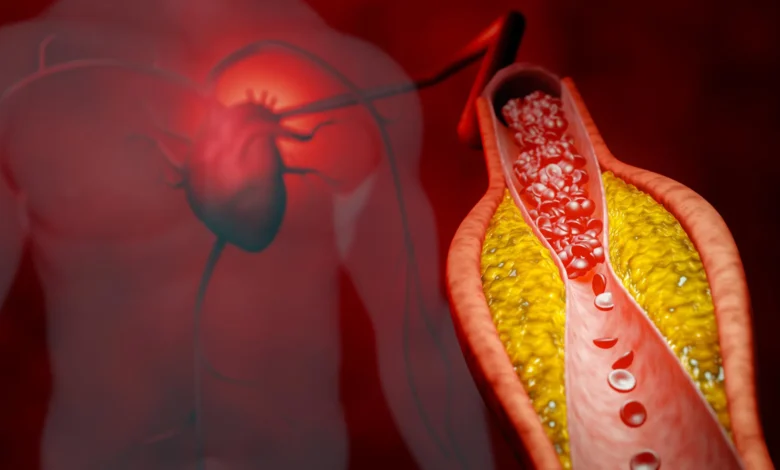
High cholesterol remains one of the most pervasive silent threats in modern medicine, steadily accumulating along arterial walls for decades before manifesting as life-threatening cardiovascular events such as heart attacks and strokes. For millions of patients worldwide managing hypercholesterolemia, current pharmacological interventions—primarily statins—have formed the cornerstone of preventative cardiology. However, statin intolerance, adverse muscular side effects, and insufficient LDL reduction in high-risk patients have continuously driven the scientific community to seek alternative mechanisms. Addressing this critical clinical gap, an international consortium of researchers from the University of Barcelona and the University of Oregon has engineered an innovative experimental strategy utilizing polypurine hairpins (PPRHs) to target the PCSK9 protein, yielding remarkable reductions in circulating cholesterol levels during preclinical animal studies.
The collaborative study, spearheaded by Professor Carles J. Ciudad and Professor Verónica Noé of the University of Barcelona’s Faculty of Pharmacy and Food Sciences and the Institute of Nanotechnology (IN2UB), alongside Dr. Nathalie Pamir of the University of Oregon in Portland, was recently published in the peer-reviewed journal Biochemical Pharmacology. Financial backing for the research was furnished through competitive grants from the Spanish Ministry of Science, Innovation and Universities (MICINN) and the National Institutes of Health (NIH) in the United States. While the results remain confined to cellular models and transgenic animal testing, the deployment of gene-interfering DNA molecules represents a novel avenue in lipid-lowering therapeutics, potentially circumventing the limitations of conventional therapies and existing biologic drugs.
Understanding the PCSK9 Pathway and Low-Density Lipoprotein Regulation
To comprehend the significance of the breakthrough achieved by the Spanish and American research teams, it is essential to examine the physiological role of PCSK9—proprotein convertase subtilisin/kexin type 9—in human lipid metabolism. Discovered roughly two decades ago, PCSK9 emerged as a master regulator of low-density lipoprotein cholesterol (LDL-C), commonly referred to in clinical vernacular as "bad" cholesterol.
Under normal physiological conditions, the liver clears excess LDL cholesterol from the bloodstream through specialized cell-surface structures known as LDL receptors (LDLR). When circulating LDL particles bind to these receptors, the complex is internalized, and the cholesterol is processed and metabolized by the cell, thereby lowering plasma cholesterol concentrations. Once the receptor has facilitated this clearance, it typically recycles back to the cell surface to capture additional LDL particles.
However, PCSK9 alters this delicate homeostatic balance. When secreted into the bloodstream or acting intracellularly, PCSK9 binds directly to the LDL receptors. Instead of permitting the receptor to recycle back to the cell membrane, the PCSK9-LDLR complex is directed to cellular lysosomes for degradation. Consequently, the total population of available LDL receptors on the cell surface plummets. With fewer receptors deployed to capture circulating lipids, LDL cholesterol accumulates within the bloodstream, setting the stage for hypercholesterolemia, systemic endothelial inflammation, and the accelerated formation of atheromatous plaques within arterial walls.
By intervening directly at the genetic level to suppress the production of PCSK9, the research team sought to interrupt this destructive cascade at its source, preserving the density of LDL receptors and maximizing the liver’s capacity to scrub harmful lipids from circulation.
The Science of Polypurine Hairpins: A Precision Genetic Approach
Rather than utilizing small molecule inhibitors or high-cost monoclonal antibodies, the research team opted for an entirely different class of therapeutic oligonucleotides: polypurine hairpins, or PPRHs. These specialized, single-stranded DNA molecules are engineered with precise nucleotide sequences designed to recognize and bind exclusively to complementary sequences on target DNA or RNA transcripts through Watson-Crick base pairing.
The strategic deployment of PPRHs marks a departure from traditional drug design. Whereas statins inhibit HMG-CoA reductase—an enzyme involved in the liver’s internal synthesis of cholesterol—PPRHs operate upstream by dampening the transcriptional output of the specific gene responsible for the destructive PCSK9 protein.
In the laboratory phase of the study, the investigators tested two distinct polypurine hairpins, designated as HpE9 and HpE12. These molecules were specifically constructed to target the polypyrimidine sequences of exons 9 and 12 within the PCSK9 gene, respectively. When introduced to human hepatic cell lines (HepG2 cells), both hairpins exhibited high efficacy in binding to their respective targets. This binding physically interfered with the transcriptional machinery—either by disrupting the normal progression of RNA polymerase, the essential enzyme responsible for synthesizing RNA from DNA templates, or by preventing vital transcription factors from anchoring to the DNA strand.
The functional consequences of this transcriptional blockade were profound. In cell culture experiments, the application of HpE12 resulted in a staggering 74 percent reduction in PCSK9 RNA levels and an accompanying 87 percent decrease in measurable PCSK9 protein expression. Crucially, this suppression directly correlated with a marked upregulation in surface LDL receptor density, demonstrating that cellular uptake mechanisms were successfully restored and enhanced.
In Vivo Validation: Achieving a 47 Percent Cholesterol Drop in Transgenic Mice
Encouraged by robust cellular outcomes, the research consortium advanced their investigations into an in vivo model. Testing the therapeutic safety and efficacy profile in living organisms is an indispensable milestone for any pharmacological candidate, bridging the gap between theoretical molecular biology and clinical applicability.
The researchers utilized transgenic mice specifically engineered to express the human PCSK9 gene, providing a translational model that closely mirrors human lipid metabolism. These subjects were administered the experimental polypurine hairpins to evaluate systemic responses in lipid profiles and circulating protein concentrations.
Mirroring the trends observed in the in vitro trials, HpE12 demonstrated superior potency compared to its counterpart, HpE9. Data compiled from the animal trials revealed that a single systemic injection of HpE12 triggered a rapid and substantial physiological response. Plasma levels of the PCSK9 protein plummeted by 50 percent. Concurrently, overall plasma cholesterol levels experienced a dramatic reduction of 47 percent by the third day post-injection.
These findings underscore the potential of PPRHs to act as potent systemic regulators of lipid homeostasis. By re-establishing elevated levels of functional LDL receptors on hepatic cells, the systemic clearance of circulating atherogenic lipoproteins accelerated significantly. In principle, maintaining such reductions over extended periods could drastically diminish the accumulation of fatty plaques, mitigating the risk of downstream cardiovascular complications such as myocardial infarction and ischemic stroke.
Nevertheless, the scientific team maintains a rigorous, objective stance regarding these preliminary milestones. Because the primary efficacy data has thus far been demonstrated exclusively in murine models, extensive translational research, formal pharmacokinetic evaluations, and comprehensive safety profiling will be mandatory before the intervention can be cleared for human clinical trials.
Comparative Analysis: Positioning PPRHs Within the Landscape of PCSK9 Therapeutics
The PCSK9 protein is no stranger to the pharmaceutical arena. Over the past decade, its pivotal role in lipid metabolism has inspired a wave of innovative therapies designed to block its detrimental actions. Understanding the unique profile of polypurine hairpins requires contextualizing them against existing therapeutic modalities, which generally fall into three categories: monoclonal antibodies, small interfering RNAs (siRNAs), and CRISPR-based gene editing.
Monoclonal antibodies, such as evolocumab and alirocumab, function by binding directly to circulating PCSK9 proteins in the bloodstream, neutralizing their ability to latch onto LDL receptors. While highly effective at lowering LDL-C levels, these biologic therapies typically require subcutaneous administration every two to four weeks and can entail substantial manufacturing costs, presenting economic hurdles for widespread global health implementation.
More recently, gene-silencing approaches have entered the therapeutic armamentarium. Inclisiran, an FDA-approved small interfering RNA (siRNA) medication, utilizes the cell’s natural RNA interference pathways to catalytically degrade PCSK9 messenger RNA, offering prolonged therapeutic durability with infrequent dosing schedules—usually just twice a year after initial loading doses.
Against this backdrop, polypurine hairpins offer a distinct set of potential advantages that could alter the economic and logistical landscape of cardiovascular care. According to Professor Ciudad and Professor Noé, PPRHs are characterized by relatively inexpensive synthesis costs, high structural stability within biological environments, and a notably low likelihood of provoking unwanted immunogenic responses—a common obstacle in therapies utilizing foreign proteins or complex delivery vectors.
Furthermore, unlike statins—which remain foundational in cardiovascular medicine but are frequently associated with dose-limiting adverse events such as myopathies, muscle pain, and elevated hepatic enzymes—a targeted PPRH intervention against PCSK9 operates via a completely separate biochemical pathway. This mechanistic divergence suggests that PPRH therapy could theoretically avoid the muscular complications that force many patients to discontinue statin regimens.
Broader Clinical Implications and Future Research Horizons
As cardiovascular disease remains the leading cause of global mortality, the introduction of innovative lipid-lowering mechanisms holds profound implications for public health. If subsequent preclinical and clinical phases validate the safety, efficacy, and durability of polypurine hairpins in humans, clinicians could soon have access to an entirely new class of gene-modulating cardiovascular drugs.
The implications extend beyond mere cholesterol reduction. Modern preventative cardiology increasingly emphasizes the concept of cumulative exposure: the longer a patient maintains an elevated LDL-C level, the higher their lifetime risk of developing advanced atherosclerotic cardiovascular disease. By providing a cost-effective, highly stable, and immunologically inert alternative to existing biologics, PPRH technology could democratize access to advanced lipid-lowering therapies, particularly in healthcare settings where high-cost biologics remain economically unviable for the broader patient population.
However, moving from murine models to human clinical application demands a rigorous, methodical progression. Future research phases will need to focus on optimizing delivery systems to ensure targeted uptake by hepatic tissues, assessing potential off-target genetic interactions, and determining the optimal dosing schedules required to maintain long-term cholesterol suppression without inducing cumulative toxicity.
For now, the collaborative effort between the University of Barcelona and the University of Oregon stands as a testament to the power of interdisciplinary molecular research. By intercepting cardiovascular disease at the level of genetic transcription, these researchers have opened a promising new frontier in the ongoing battle against hypercholesterolemia—offering a glimpse into a future where precision medicine can neutralize arterial threats before they translate into clinical catastrophes.
Related posts: