Columbia scientists discover surprising link between serotonin and heart valve disease

Serotonin is a chemical messenger most frequently recognized for its profound influence on emotional well-being, sleep cycles, and digestive health. However, a series of landmark studies published between 2023 and 2026 has fundamentally shifted the medical community’s understanding of this neurotransmitter, revealing its critical role in the structural integrity of the heart’s mitral valve. This emerging body of research suggests that alterations in serotonin signaling—whether driven by genetic predisposition or the use of certain medications—may accelerate the progression of degenerative mitral regurgitation (DMR), a condition that affects millions of individuals worldwide.
The foundational research, led by Columbia University’s Department of Surgery in collaboration with the Pediatric Heart Valve Center at Children’s Hospital of Philadelphia (CHOP), the University of Pennsylvania, and the Valley Hospital Heart Institute, has opened a new frontier in "cardio-psychiatry." By examining the intersection of mental health pharmacology and cardiac anatomy, researchers are uncovering why some patients experience rapid valve deterioration while others remain stable for decades.
The Mechanical and Pathological Landscape of the Mitral Valve
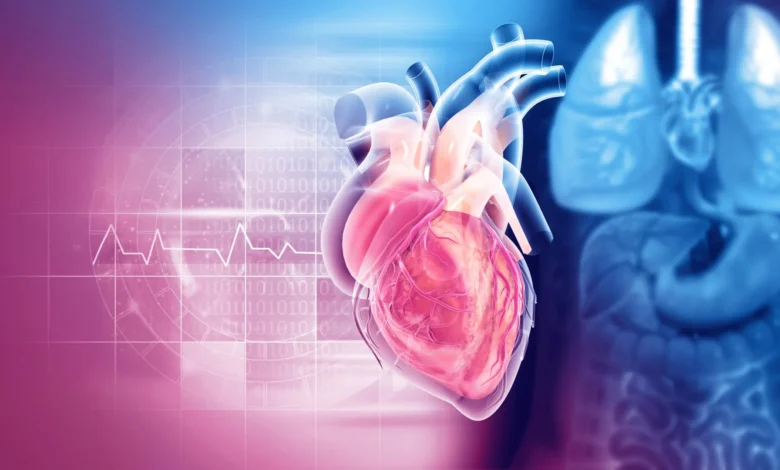
To understand the implications of these findings, one must first consider the vital role of the mitral valve. Positioned between the heart’s left atrium and left ventricle, the mitral valve acts as a sophisticated one-way gate. When the heart contracts, the valve’s two thin flaps, or leaflets, should seal tightly to ensure that oxygenated blood flows forward into the ventricle and out to the rest of the body.
In patients with degenerative mitral regurgitation (DMR), this mechanism fails. The valve tissue undergoes structural changes; the leaflets may become abnormally thickened, stretched, or distorted. This prevents a complete seal, allowing blood to leak backward into the left atrium. This "regurgitation" creates a cascade of physiological strain. The heart must work significantly harder to maintain systemic circulation, leading to increased pressure in the pulmonary veins and, eventually, the lungs.
Clinical data suggests that while mild DMR can be managed with observation, severe cases lead to debilitating fatigue, shortness of breath, and life-threatening complications. These include atrial fibrillation—a quivering or irregular heartbeat—and congestive heart failure, where the heart becomes too weak to pump sufficiently. Until recently, medical intervention was limited to managing these symptoms or performing invasive surgery to repair or replace the valve, as no pharmacological treatment existed to halt the underlying tissue degeneration.
The 2023 Discovery: The Serotonin Transporter Connection
The breakthrough published in Science Translational Medicine in 2023 focused on the serotonin transporter (SERT or 5-HTT), a protein responsible for "recycling" serotonin by carrying it back into cells after it has delivered its signal. This process, known as reuptake, is the primary target of Selective Serotonin Reuptake Inhibitors (SSRIs), which are among the most commonly prescribed antidepressants globally, including fluoxetine (Prozac) and sertraline (Zoloft).
The multicenter team, co-led by Giovanni Ferrari, PhD, of Columbia and Robert J. Levy, MD, of CHOP, investigated whether the reduction of SERT activity—a known effect of SSRIs—could have unintended consequences on heart valve tissue. Their investigation was exhaustive, combining a retrospective clinical review of over 9,000 surgical patients with laboratory analysis of 100 human mitral valve biopsies.
The findings were striking: patients who were taking SSRIs at the time of their heart surgery were consistently younger than those not taking the medication. Specifically, the data suggested an association between SSRI use and a more rapid progression to "severe" mitral regurgitation requiring surgical intervention. While the researchers cautioned that this was an observational association and not a definitive proof of cause-and-effect, the biological plausibility was reinforced through subsequent animal testing.
In studies involving transgenic mice lacking the SERT gene, the animals developed significantly thicker mitral valves compared to healthy controls. Furthermore, normal mice treated with high doses of SSRIs exhibited similar structural remodeling. These results provided a mechanical link, suggesting that when serotonin is not efficiently reabsorbed by the transporter, the resulting "excess" serotonin in the valve environment triggers a maladaptive growth response.
Genetic Vulnerability and the 5-HTTLPR Variant
Perhaps the most significant contribution of the 2023 study was the identification of a genetic "triple threat" that increases valve vulnerability. The researchers focused on 5-HTTLPR, a polymorphic region of the SERT gene that dictates how much transporter protein is produced.
Individuals carry different variants of this gene: "short" or "long." The study found that the "long-long" variant was associated with lower SERT activity in mitral valve cells. Patients with DMR who possessed this specific genetic makeup underwent surgery more frequently and at earlier stages of the disease.
Laboratory experiments on human valve cells provided the "why." Cells with the "long-long" variant reacted hyper-sensitively to serotonin, producing excessive amounts of collagen. While collagen is necessary for tissue strength, an overproduction leads to fibrosis—the scarring and stiffening of the valve leaflets. These cells were also found to be more sensitive to the effects of SSRIs, suggesting that for a subset of the population, genetic makeup and medication may combine to accelerate heart disease.
A Chronology of Expanding Evidence: 2024 to 2026
The momentum generated by the 2023 findings led to a series of follow-up studies that expanded the scope of serotonin’s impact on the heart.
- Early 2024: Researchers shifted focus to the specific receptors on the cell surface that receive serotonin signals. A study published in the first quarter of 2024 identified the HTR2B receptor as the primary driver of fibrotic changes. In mouse models, over-activation of this receptor led to fibrosis not only in the valves but also in the left ventricular muscle, suggesting that serotonin’s impact on the heart may be more systemic than previously thought.
- 2025: The investigation moved to the aortic valve, which controls blood flow out of the heart into the aorta. A study of 76 participants found that patients with severe aortic stenosis—a narrowing of the valve—had significantly higher circulating levels of serotonin compared to healthy controls. This suggested that the "serotonin hypothesis" might apply to multiple forms of valvular heart disease.
- February 2026: A critical milestone was reached with the testing of an experimental compound designed to block the HTR2B receptor. In early-stage animal trials, this "serotonin blocker" successfully preserved valve structure and improved blood flow measurements, marking the first time a potential drug target has been identified to specifically treat valve remodeling.
- Late 2026: A massive meta-analysis and systematic review of clinical studies involving SERT-modifying drugs was released. The review reported a significant association between these medications and heart valve disease, with an odds ratio of 2.76. This data provided the strongest statistical evidence to date that the medical community must monitor valve health in patients on long-term SERT-modifying therapies.
Implications for Clinical Practice and Precision Medicine
The discovery of the serotonin-valve link has profound implications for how cardiologists and psychiatrists manage patients. However, experts emphasize a balanced approach. Dr. Giovanni Ferrari noted that a healthy mitral valve can likely withstand low SERT activity without deforming. The danger arises primarily in valves that are already predisposed to or currently undergoing degeneration.
Potential Changes in Patient Monitoring
For patients diagnosed with mild or moderate DMR, the research suggests that a simple DNA test for the 5-HTTLPR variant could become a standard part of care. Identifying "high-risk" genetic profiles would allow cardiologists to:
- Increase the frequency of echocardiograms (ultrasound of the heart) to catch progression earlier.
- Consult more closely with the patient’s psychiatrist regarding antidepressant choices.
- Prioritize early surgical repair before permanent damage to the heart muscle occurs.
The Antidepressant Dilemma
The findings do not suggest that SSRIs are "dangerous" for the general population. For many, the benefits of treating severe depression or anxiety far outweigh the theoretical risk of valve progression. However, for a patient with known heart valve disease, a physician might consider alternative classes of antidepressants that do not interact with the serotonin transporter, such as Bupropion (Wellbutrin) or certain atypical antipsychotics, depending on the clinical need.
Analysis of Broader Impacts
The shift toward understanding the biochemical drivers of valve disease represents a move away from the "wait and see" approach that has dominated valvular cardiology for decades. Historically, heart valve disease was viewed as a mechanical "wear and tear" issue. We now know it is a dynamic biological process influenced by systemic chemistry.
This research also highlights the necessity of interdisciplinary medicine. The heart and the brain are linked not just by nerves, but by the very chemicals that regulate our emotions. As we move further into the era of precision medicine, the ability to tailor drug therapies based on a patient’s genetic cardiac risk will become a hallmark of high-quality care.
Conclusion: The Path Forward
While the evidence connecting serotonin signaling to heart valve remodeling is compelling, the scientific community maintains that further clinical trials are essential. The current data, while robust, relies heavily on observational studies and animal models. Prospective human trials—where patients are followed in real-time—will be necessary to confirm if blocking serotonin receptors or altering SSRI prescriptions can truly change the trajectory of heart valve disease.
For now, the message for patients is one of awareness rather than alarm. Those with a history of heart valve issues should ensure their entire medical team is aware of their medications, and those taking SSRIs should continue their treatment while maintaining regular check-ups with their primary care providers. The "small heart valve with a critical role" has finally taken center stage in medical research, promising a future where heart disease is not just managed, but potentially slowed or prevented through a deeper understanding of the body’s most versatile chemical messengers.