WHO Unveils SCORE for Health Data Technical Package to Revolutionize Global Pandemic Response and Health Information Systems

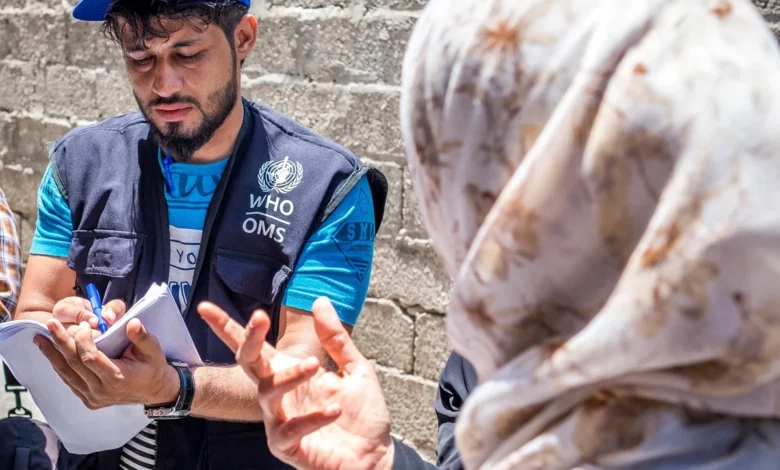
In an aggressive move to fortify global healthcare infrastructure in the wake of unprecedented public health emergencies, the World Health Organization (WHO) has officially launched the SCORE for Health Data Technical Package. Unveiled today, this comprehensive, harmonized resource is designed to fundamentally transform how nations gather, analyze, and utilize vital health data. The initiative arrives at a critical juncture in modern public health history, as the COVID-19 pandemic continues to expose severe vulnerabilities, systemic gaps, and critical inefficiencies in data collection frameworks across both developing and developed nations alike.
By providing countries with a unified, standardized methodology to measure and evaluate health metrics, the WHO aims to bridge the chasm between raw medical data and strategic, life-saving policy action. The unveiling of SCORE represents a milestone in international health cooperation, uniting global health agencies, philanthropic powerhouses, and national governments in a shared mission to institutionalize data-driven decision-making.
Background Context: The Data Deficit in Global Health
For decades, public health experts have warned that robust health systems cannot exist without reliable, timely, and disaggregated data. Yet, prior to the COVID-19 outbreak, countless countries lacked even the most fundamental infrastructure required to routinely register births, track causes of mortality, or monitor disease incidence in real-time. Without these foundational capabilities, health ministries have frequently been forced to navigate complex health crises in the dark, distributing scarce medical resources based on estimation rather than empirical evidence.
The structural fragility of global health data systems became glaringly apparent in early 2020. As the SARS-CoV-2 virus swept across borders, the absence of standardized reporting mechanisms hampered international comparisons, delayed localized containment strategies, and complicated epidemiological forecasting. Recognizing that infectious diseases respect no borders, the international community realized that uneven data maturity posed a collective security threat. It was within this climate of urgency that the WHO accelerated the finalization of the SCORE Technical Package, intending to give nations the practical tools needed to build resilient information architectures from the ground up.
Decoding the SCORE Framework: Survey, Count, Optimize, Review, Enable
At the core of the newly released initiative is an acronym that encapsulates the entire lifecycle of health data management: SCORE, which stands for Survey, Count, Optimize, Review, and Enable. Developed in direct response to the systemic shortcomings highlighted in publications such as the WHO World Health Statistics 2020 report, the package consolidates more than 90 universally accepted tools and standards into a single, cohesive operational guide.
- Survey: This component emphasizes the necessity of regular population-based health surveys to measure risk factors, health status, and coverage of essential services. By standardizing survey methodologies, countries can generate comparable data on non-communicable diseases, mental health, and environmental health determinants.
- Count: Focusing on routine tracking mechanisms, this pillar addresses the foundational requirement of every nation: registering every birth and death. Establishing robust Civil Registration and Vital Statistics (CRVS) systems ensures that mortality trends and causes of death are accurately recorded and mapped.
- Optimize: This section is dedicated to health service data. It provides guidelines for optimizing facility-based reporting systems, ensuring that administrative data from hospitals and clinics are captured accurately and fed into national databases without administrative bottlenecks.
- Review: Data collection is futile without rigorous analysis. The review component equips health authorities with analytical tools to monitor health trends, assess program performance, evaluate interventions, and ensure accountability at both national and subnational levels.
- Enable: Recognizing that technical tools require institutional backing, the enable pillar focuses on governance, legislation, infrastructure, and workforce capacity. It ensures that national health information systems are legally protected, adequately funded, and operated by skilled professionals.
Chronology of Development and Strategic Partnerships
The genesis of the SCORE Technical Package spans several years of intensive collaboration between the WHO, academic institutions, specialized agencies, and philanthropic organizations. The initiative builds upon ongoing global efforts to achieve the United Nations Sustainable Development Goals (SDGs)—particularly SDG 3, which aims to ensure healthy lives and promote well-being for all ages—as well as the WHO’s ambitious Triple Billion targets.
The timeline of the package’s rollout reflects a phased strategy designed to deliver immediate utility while building toward long-term systemic reform:
- Pre-2020: Recognition of fragmented global health data systems and the identification of a need for a harmonized technical package.
- 2020: Release of the WHO World Health Statistics report, which starkly underscored global data gaps and accelerated the integration of universal standards.
- Current Launch (Phase One): Official introduction of the initial SCORE Technical Package, featuring foundational guidelines and over 90 standardized tools designed to assist governments in benchmarking and improving healthcare standards.
- Later This Year (Phase Two): Planned release of complementary components, including the comprehensive SCORE Assessment Instrument alongside global, regional, and country-specific status reports. These subsequent releases are intended to provide continuous monitoring frameworks to track national progress against both localized priorities and overarching global targets.
A critical catalyst in the realization of this initiative has been the strategic partnership between the World Health Organization and the Bloomberg Philanthropies Data for Health Initiative. Through vital financial support and technical expertise, Bloomberg Philanthropies has enabled the WHO to scale up the development and dissemination of these essential resources.
Official Statements and Expert Perspectives
The launch of the SCORE Technical Package has drawn widespread praise from global health leaders, who emphasize its potential to alter the trajectory of public health governance.
During the global announcement, WHO Director-General Dr. Tedros Adhanom Ghebreyesus underscored the fundamental philosophy driving the initiative. "Countries must be able to measure progress to make progress," Dr. Tedros stated. "Particularly during COVID-19, reliable data is the best way to coordinate response efforts and improve health in all areas. Accurate health data are necessary to understand specific country needs in order to improve health and save lives. Data also helps direct scarce resources to where they are needed most."
Echoing these sentiments, Dr. Kelly Henning, Director of Public Health Programs at Bloomberg Philanthropies, highlighted the practical value of the package for national governments navigating complex policy landscapes. "Using data to inform public health priorities and strategies has never been more important," Dr. Henning observed. "The SCORE Technical Package provides country governments around the world with high-quality, essential technical guidance so that countries can strengthen their own data systems. WHO is proud to partner with the Bloomberg Philanthropies Data for Health Initiative to deliver this timely resource to countries."
Dr. Samira Asma, Assistant Director-General for Data, Analytics and Delivery for Impact at WHO, framed the release as an urgent moral and operational imperative. "We must keep score to save lives," Dr. Asma asserted. "WHO is committed to working with countries and partners to rapidly scale up capacity for data collection and use in order to improve policy and performance. We must act now to invest in statistical systems in countries, respond to this pandemic and meet the SDGs and data targets. Our window of opportunity is closing, and we cannot wait to address data gaps. Data use to address country needs has to be a priority today."
Fact-Based Analysis of Implications and Broader Impact
The introduction of the SCORE Technical Package carries profound implications for the future of global health security, resource allocation, and health equity. By establishing a common language and standardized metrics for health information systems, the initiative addresses several chronic challenges that have historically plagued international health interventions.
1. Optimization of Scarce Resource Allocation
In many low- and middle-income countries, financial and medical resources are severely constrained. Without granular, disaggregated data, governments frequently rely on broad assumptions or historical allocations that may fail to address emerging hot spots or marginalized populations. By utilizing the SCORE framework, health ministries can pinpoint exact geographic areas and demographic groups experiencing the greatest health disparities, ensuring that vaccines, medical supplies, and personnel are deployed with surgical precision.
2. Enhancing Resilience Against Future Pandemics
The COVID-19 pandemic demonstrated that early detection and transparent reporting are the primary lines of defense against global pathogens. The operational tools housed within the SCORE package—particularly those relating to routine counting and rapid surveillance—will assist nations in establishing early-warning systems capable of detecting anomalous disease clusters before they escalate into international crises.
3. Accountability and Progress Monitoring
The forthcoming release of the SCORE Assessment Instrument and associated country status reports will establish a transparent mechanism for accountability. Governments will no longer operate in isolation; instead, they will possess standardized benchmarks to measure their administrative performance against regional and global peers. This peer transparency can foster healthy competition and encourage increased domestic investment in national statistical agencies.
4. Accelerating Progress Toward the Sustainable Development Goals
With the 2030 deadline for the UN Sustainable Development Goals drawing closer, the ability to accurately measure health outcomes is paramount. Without robust data systems, nations cannot reliably track whether they are meeting targets related to maternal mortality, infectious disease reduction, or universal health coverage. By embedding data collection into the routine functioning of healthcare delivery, SCORE acts as an indirect accelerator for the entire SDG 3 agenda.
Conclusion and Future Outlook
As the global community continues to grapple with the multifaceted fallout of the COVID-19 pandemic, the launch of the WHO SCORE for Health Data Technical Package offers a clear roadmap toward recovery and long-term resilience. By transforming abstract statistical ideals into practical, actionable, and flexible tools, the WHO and its partners have provided governments with the institutional scaffolding required to build back better.
The success of the initiative will ultimately depend on political will at the national level and sustained international solidarity. As the WHO prepares to roll out the remaining components of the package later this year, the message from global health authorities remains unequivocal: in an interconnected world where health threats evolve rapidly, keeping score is no longer merely an administrative exercise—it is an absolute prerequisite for human survival and sustainable development.
Related posts: