Silent Scars: How Chronic Everyday Stress and Hidden Inflammation Quietly Remodel the Human Heart


The relentless pressures of modern existence—ranging from the daily grind of financial insecurity to the pervasive psychological toll of urban living—do more than just fray our nerves; they leave a profound, enduring physical imprint on the most vital muscle in the human body. According to a landmark epidemiological study of nearly half a million adults in the United Kingdom, chronic everyday stress and the systemic inflammation it fosters can systematically damage cardiovascular architecture, accelerating the onset of life-threatening cardiac events and potentially shortening the human lifespan.
Spearheaded by a team of leading scientists at the Medical Research Council (MRC) Laboratory of Medical Sciences (LMS) and Imperial College London, this extensive investigation is widely believed to be the largest and most comprehensive analysis of its kind. The findings paint a sobering picture of how socioeconomic disadvantage, mental health struggles, and lifestyle factors converge inside the human body, transforming psychological distress into physical pathology years before a patient ever experiences a twinge of chest pain or shortness of breath.
Unmasking the Mechanism of Silent Cardiovascular Destruction
At the heart of the research lies the insidious process of chronic inflammation. While acute inflammation is a vital, lifesaving mechanism deployed by the immune system to combat immediate threats like pathogens or physical trauma, chronic inflammation is an entirely different physiological phenomenon. It occurs when the immune system becomes trapped in a state of low-grade, persistent activation, failing to switch off after the initial stressor has subsided.
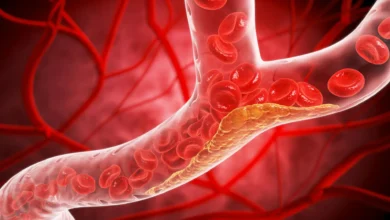
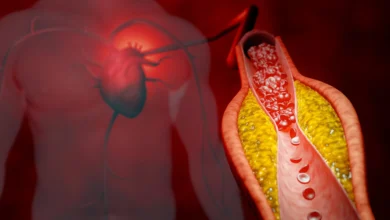
Over months and years, this lingering immune activity bathes tissues in inflammatory chemicals, wreaking quiet havoc on the cardiovascular system. The Imperial College London researchers utilized data from the extensive UK Biobank, examining an unprecedented cohort of approximately 480,000 adult participants. By combining detailed blood marker assays—specifically focusing on glycoprotein acetyls (GlycA) as a reliable indicator of systemic inflammation—with advanced cardiac magnetic resonance (CMR) imaging and complex genetic data, the team was able to map the precise trajectory of inflammation-induced heart damage.
The data revealed a striking correlation: individuals situated in the top 20% for systemic inflammation levels faced a staggering 43% higher risk of suffering a heart attack or stroke compared to their peers in the bottom 20%. Crucially, this elevated risk persisted even among participants with no previously diagnosed cardiovascular disease.
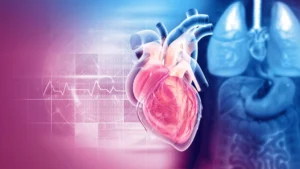
Furthermore, the imaging data demonstrated that high inflammation was intimately tied to the physical remodeling of the heart. Participants with elevated GlycA markers systematically exhibited thicker heart walls, reduced ventricular chamber sizes, and impaired diastolic function—meaning their hearts struggled to fill adequately with blood between beats. These structural alterations can progress insidiously for decades, functioning as a silent precursor to congestive heart failure.
A Multidisciplinary Timeline: Tracing the Roots of Modern Heart Disease
To fully comprehend the gravity of these findings, cardiovascular researchers must look at the broader timeline of how lifestyle, societal pressures, and human biology intersect. Historically, mainstream cardiology focused almost exclusively on traditional, tangible risk factors: hypercholesterolemia (high cholesterol), hypertension, tobacco use, and diabetes. While these remain formidable pillars of heart disease, the late 20th and early 21st centuries have witnessed a paradigm shift toward understanding the neuro-immuno-cardiovascular axis.
In the early 2000s, pioneering studies began identifying C-reactive protein (CRP) as a key inflammatory marker linked to atherosclerosis. However, the MRC Laboratory of Medical Sciences and Imperial College study takes this evolutionary understanding a quantum leap forward by connecting systemic inflammation directly to macroscopic structural heart remodeling on a population scale.
The timeline of this specific research initiative reflects years of meticulous biobank data collection, genetic sequencing, and imaging analysis. Initiated to parse out the tangled web of causality between social determinants of health and clinical endpoints, the study bridged disciplines as diverse as epidemiology, computational cardiac imaging, immunology, and socioeconomic policy. By establishing that psychological distress and poverty are not merely psychological burdens but biological drivers of physical heart decay, the research offers a definitive bridge between sociology and cardiology.
The Convergence of Social Inequality, Mental Health, and Genetics
One of the most profound revelations of the Imperial-led study is the democratization of vulnerability, juxtaposed against stark socioeconomic disparities. Chronic inflammation does not distribute itself evenly across a population; it heavily tracks with socioeconomic disadvantage, chronic anxiety, depression, and environmental stressors.
Professor Declan O’Regan, British Heart Foundation (BHF) Chair of Cardiovascular AI at Imperial College London and Head of the Computational Cardiac Imaging Group at the LMS, underscored the complexity of these interactions during a media briefing on the findings.
"Our study, which is the largest of its kind, suggests that millions of people could be living with hidden inflammation, which is slowly changing their heart and causing long-term damage—increasing the risk of heart attack and stroke," Professor O’Regan explained. "Chronic inflammation is complicated, but we know it’s tied to our health and driven by a range of lifestyle and economic factors—meaning people may be at more risk just because of their surroundings, their economic status, their family’s health, and their lifestyle."
The research team noted that while individuals cannot always control the socioeconomic circumstances or environmental pressures that surround them, genetic resilience plays a significant modulating role. Some individuals possess genetic profiles that make them naturally more resilient—or conversely, more susceptible—to the inflammatory cascades triggered by psychological and physical stressors. Yet, the researchers are quick to emphasize that neither poor genetics nor a disadvantaged background makes fatal heart disease an absolute inevitability. Modifiable behaviors, ranging from smoking cessation to weight management, retain a powerful capacity to alter biological trajectories.
Institutional Reactions and the Promise of Targeted Therapeutics
The implications of the study have reverberated across the global medical community, drawing sharp analysis and forward-looking commentary from premier health organizations. Chief among them is the British Heart Foundation, which co-funded the research alongside the Medical Research Council, with additional infrastructural support provided by the NIHR Imperial Biomedical Research Centre.
Professor Bryan Williams, Chief Scientific and Medical Officer at the British Heart Foundation, offered a nuanced perspective on the duality of the human immune response and the path forward for clinical intervention.
"Inflammation is part of the body’s healing process, but there is also a darker side to it," Professor Williams stated. "This large-scale study found people with higher levels of inflammation experienced silent changes to the structure of their hearts and had a higher risk of major cardiac events including heart attacks and strokes. The research provides valuable insights into how our genes and lifestyle factors, such as smoking, poor mental health, and socioeconomic status, can converge to trigger inflammation."
Beyond merely documenting the damage, the study successfully identified specific inflammatory protein families—notably within the interleukin-1 and tumor necrosis factor (TNF) families—as primary molecular drivers of the observed cardiac remodeling. This identification is far from academic; it opens an immediate avenue for pharmacological intervention. Several pharmaceutical agents designed to target these exact inflammatory pathways are already navigating various phases of clinical trials for other inflammatory conditions.
The convergence of biomarker screening, genetic risk scoring, and targeted anti-inflammatory drugs points toward a transformative future in preventative cardiology. Medical professionals could soon utilize routine blood tests measuring inflammatory markers, paired with polygenic risk scores, to identify vulnerable patients years before structural damage manifests as clinical disease. If validated in forthcoming targeted trials, anti-inflammatory medicines could soon join statins and antihypertensives as standard-of-care prophylactic treatments.
Broader Implications for Public Health Policy
As healthcare systems worldwide grapple with an aging demographic and a rising tide of non-communicable diseases, the findings from Imperial College London and the MRC LMS carry profound policy implications. For decades, public health messaging regarding cardiovascular health has focused heavily on individual behavioral choices: eat better, exercise more, quit smoking. While these tenets remain foundational, this study broadens the aperture of public health responsibility.
If chronic stress and socioeconomic deprivation are proven biological conduits to heart failure, then policies addressing economic inequality, housing stability, workplace stress, and mental healthcare access are, by extension, cardiovascular health policies. Mitigating the upstream social determinants of health is no longer solely a matter of social justice; it is an urgent medical imperative.
Simultaneously, the research empowers clinicians to look beyond standard lipid panels and blood pressure cuffs. By acknowledging that a patient’s mental health and living conditions are inscribed directly into their myocardial tissue, modern medicine moves one step closer to a truly holistic understanding of human health—where the mind and the heart are recognized not as separate entities, but as inextricably bound participants in the human lifespan.