Four Years After Dobbs: KFF Survey Reveals Deep Shifts in Abortion Access, Telehealth Reliance, and Public Anxiety

Four years after the historic Supreme Court ruling in Dobbs v. Jackson Women’s Health Organization dismantled nearly half a century of federal abortion protections under Roe v. Wade, the landscape of reproductive healthcare in the United States has undergone a fundamental transformation. According to the newly released 2026 KFF Women’s Health Survey, reproductive-age women across the country continue to navigate a fractured patchwork of state-level bans, early gestational restrictions, and the expanding frontier of telehealth medication abortion.
The comprehensive survey—fielded between March 11 and April 14, 2026, among a nationally representative sample of 3,538 women aged 18 to 49—provides critical empirical insight into how the post-Dobbs era has reshaped personal experiences, financial burdens, and public anxieties surrounding pregnancy, miscarriage care, and elective abortion access.
A Chronology of Post-Roe Policy and Practice
To understand the current realities captured by the 2026 KFF survey, it is necessary to examine the rapid chronology of events that upended American reproductive law over the past decade. The pivotal shift began on June 24, 2022, when the conservative-majority Supreme Court issued its ruling in Dobbs, officially overturning the 1973 Roe v. Wade precedent and returning the authority to regulate or prohibit abortion entirely to individual state legislatures.
Even prior to the Dobbs decision, a growing network of states had steadily chipped away at clinic availability through targeted regulations of abortion providers (TRAP laws) and early gestational limits. However, the 2022 ruling triggered immediate "trigger laws" in numerous jurisdictions. By 2026, the policy map of the United States had solidified into starkly contrasting territories: 13 states implemented total or near-total bans on abortion provision, while at least 10 other states enacted strict gestational limits ranging between 6 and 22 weeks of the last menstrual period (LMP). Conversely, various states moved to protect and expand access, enacting "shield laws" to safeguard clinicians who prescribe and mail abortion medications to patients residing in ban states.
Concurrently, technological and regulatory changes reshaped delivery methods. Following the FDA’s permanent removal of the in-person dispensing requirement for the medication abortion drug mifepristone during the COVID-19 pandemic, telehealth provision surged. By 2026, this logistical evolution became a primary counterweight to physical clinic closures, allowing many women to bypass state boundaries entirely via remote medical consultations and mail-order prescriptions.
National Estimates on Pregnancy, Miscarriage, and Abortion Experiences
The 2026 survey establishes baseline data on the lifetime reproductive experiences of American women aged 18 to 49. Sixty-four percent of respondents reported being either currently pregnant (3%) or having been pregnant at some point in their lives (61%), while 36% reported never having been pregnant.
Among those with a history of pregnancy, 36%—representing nearly one-quarter (24%) of all reproductive-age women—indicated they had experienced a miscarriage. Public health experts note that clinical interventions required to manage complicated miscarriages are often identical to those used in medication and procedural abortions. Consequently, strict abortion provision bans have frequently complicated miscarriage management, occasionally resulting in severe health-threatening delays, long-term complications, or preventable maternal mortality.
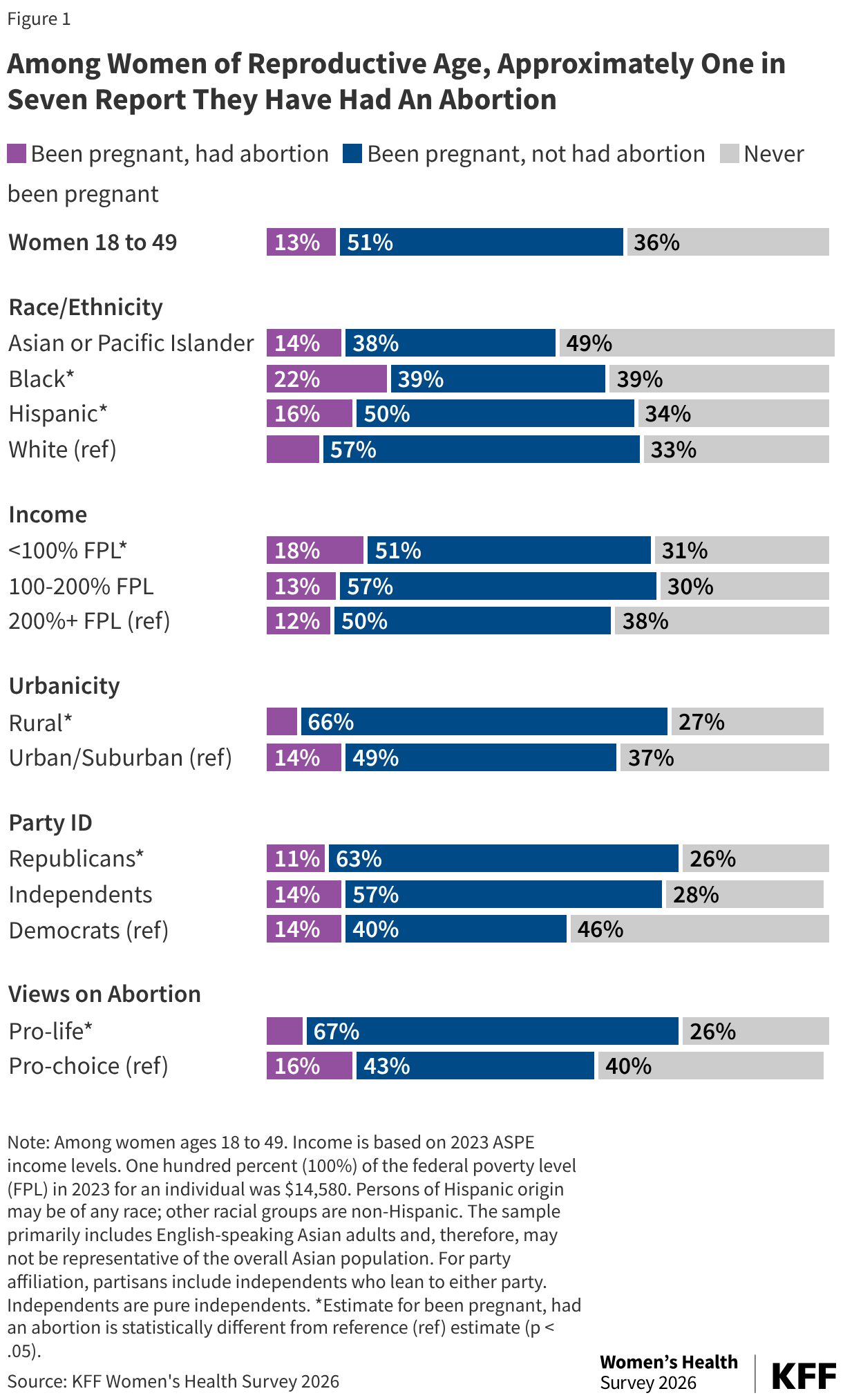
When examining lifetime incidence, one in eight reproductive-age women (13%) reported having had an abortion. Demographically, the data reveals significant disparities:
- Race and Ethnicity: Black women (22%) and Hispanic women (16%) reported higher lifetime rates of abortion compared to White women (10%).
- Socioeconomic Status: Nearly one in five women (18%) with household incomes below the federal poverty level (FPL) reported having had an abortion, compared to 12% of women earning above 200% of the FPL.
- Geography: Women living in rural areas reported a lifetime abortion rate of 6%, less than half the 14% reported by urban and suburban residents.
- Political and Ideological Affiliation: Fourteen percent of Democratic and Democratic-leaning women and 11% of Republican and Republican-leaning independents reported a past abortion. Furthermore, 7% of individuals currently identifying as pro-life and 16% of those identifying as pro-choice reported having had an abortion.
Additionally, 3% of reproductive-age women stated they had wanted or needed an abortion at some point in their lives but were unable to obtain one. Higher proportions of Black (9%) and Hispanic (5%) women reported unmet abortion needs compared to White women (2%). Qualitative responses from survey participants cited prohibitive costs, lack of health insurance, state legal restrictions, harassment by protesters outside clinics, and logistical travel barriers as primary deterrents.
Shifts in Abortion Care Over the Past Decade
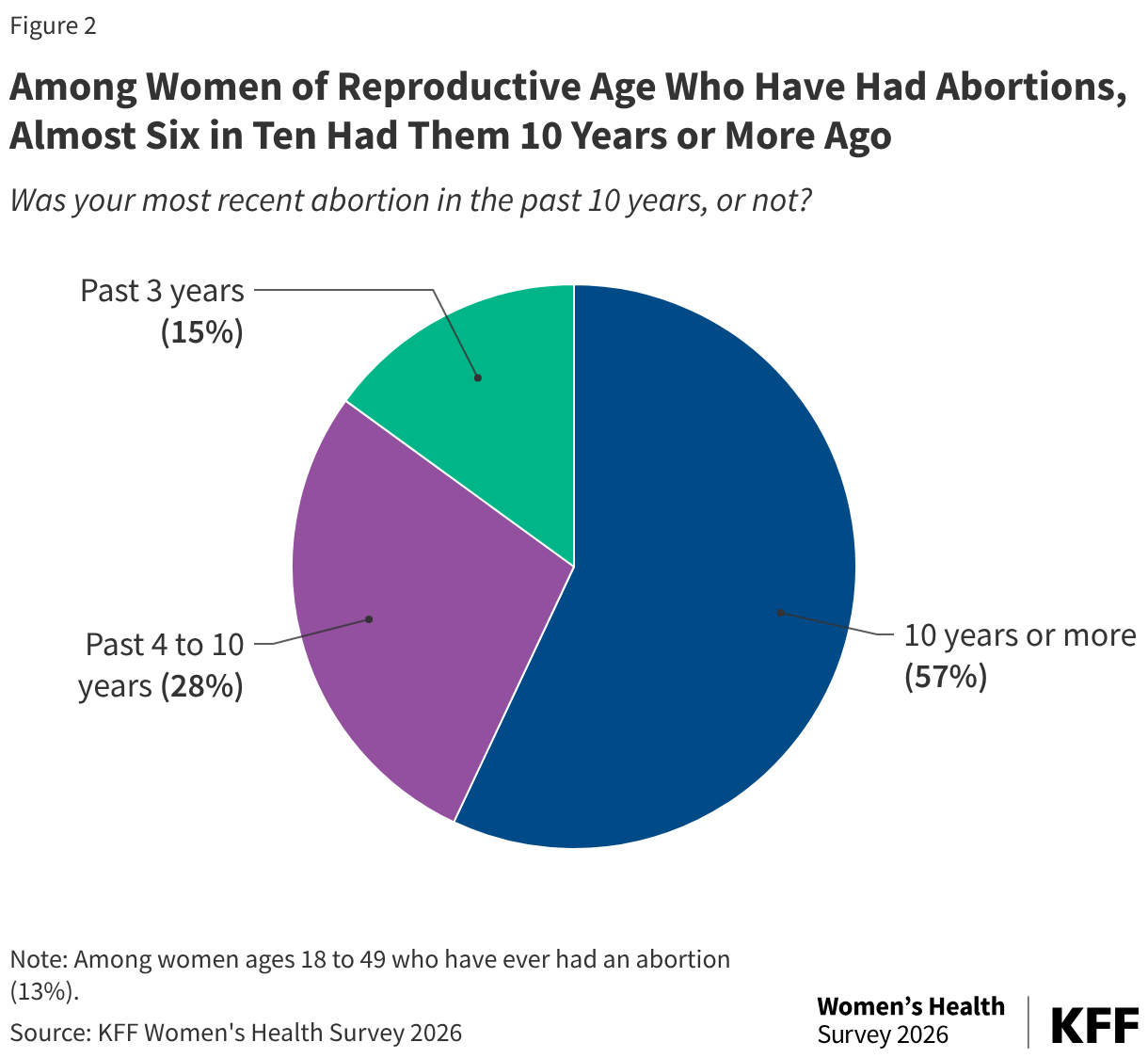
For women who have undergone an abortion within the past 10 years, the methodologies and settings of care reflect the broader technological and policy shifts of the decade. Among this subset, 15% reported their most recent abortion occurred within the past 3 years; 28% had the procedure four to 10 years ago; and 57% reported their procedure took place more than 10 years ago.
Medication abortion has cemented its status as the predominant method of termination in the United States. Five years after the Dobbs decision, nearly six in ten (59%) women who had an abortion in the past 10 years utilized medication abortion, while 41% underwent a procedural abortion.
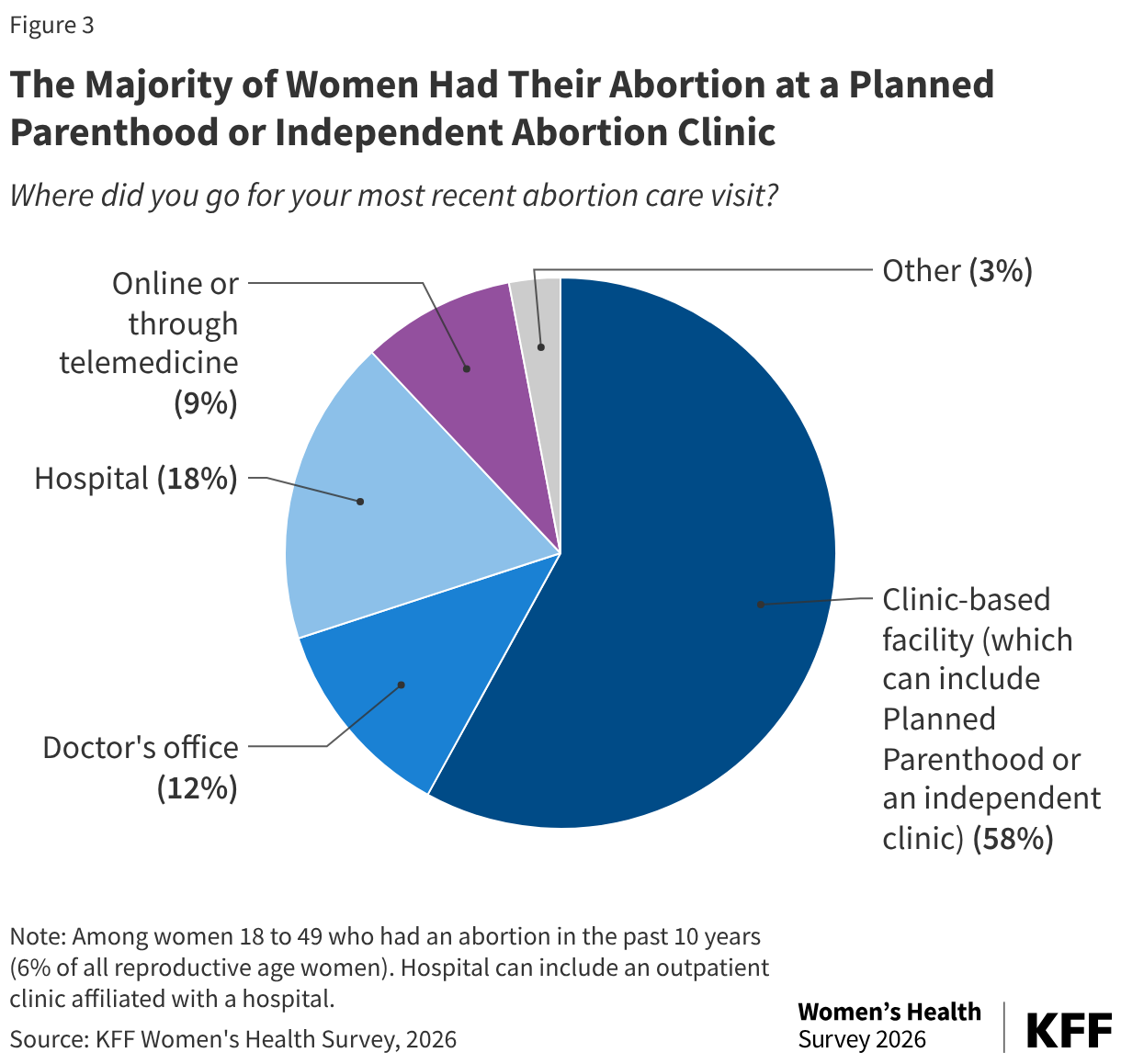
Despite the rise of telehealth, in-person clinical care remains the most common route:
- Clinic-Based Facilities: 58% received care at specialized facilities such as Planned Parenthood or independent clinics.
- Hospitals: 18% received care in hospital-affiliated settings or outpatient clinics.
- Doctor’s Offices: 12% received care in standard private physician offices.
- Online/Telehealth: 9% obtained their abortion services directly online or via telemedicine platforms.
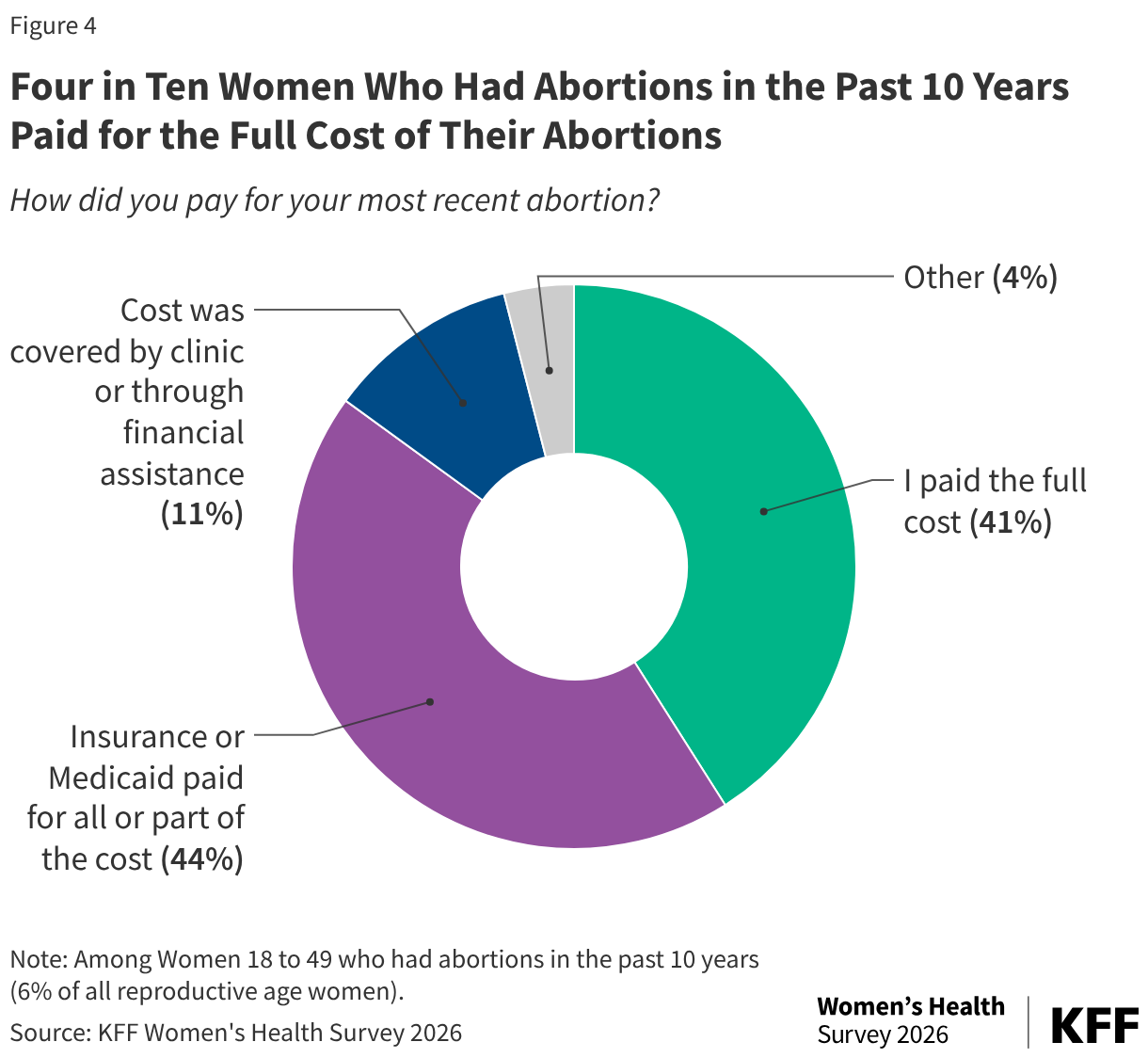
Financial barriers remain formidable. Four in ten women (41%) who obtained an abortion in the past 10 years paid the full out-of-pocket cost themselves. While costs vary significantly depending on gestational age and method, non-medical expenses—such as lost wages, childcare, lodging, and long-distance travel—compound the financial strain. Conversely, 44% reported that private insurance or Medicaid covered all or part of the cost, while 11% received financial assistance or subsidies directly from clinics. Federal Medicaid coverage remains strictly restricted under the Hyde Amendment, though 21 states utilize state-only revenues to fund abortion care under broader circumstances.
The Tangible Impact of the Dobbs Decision
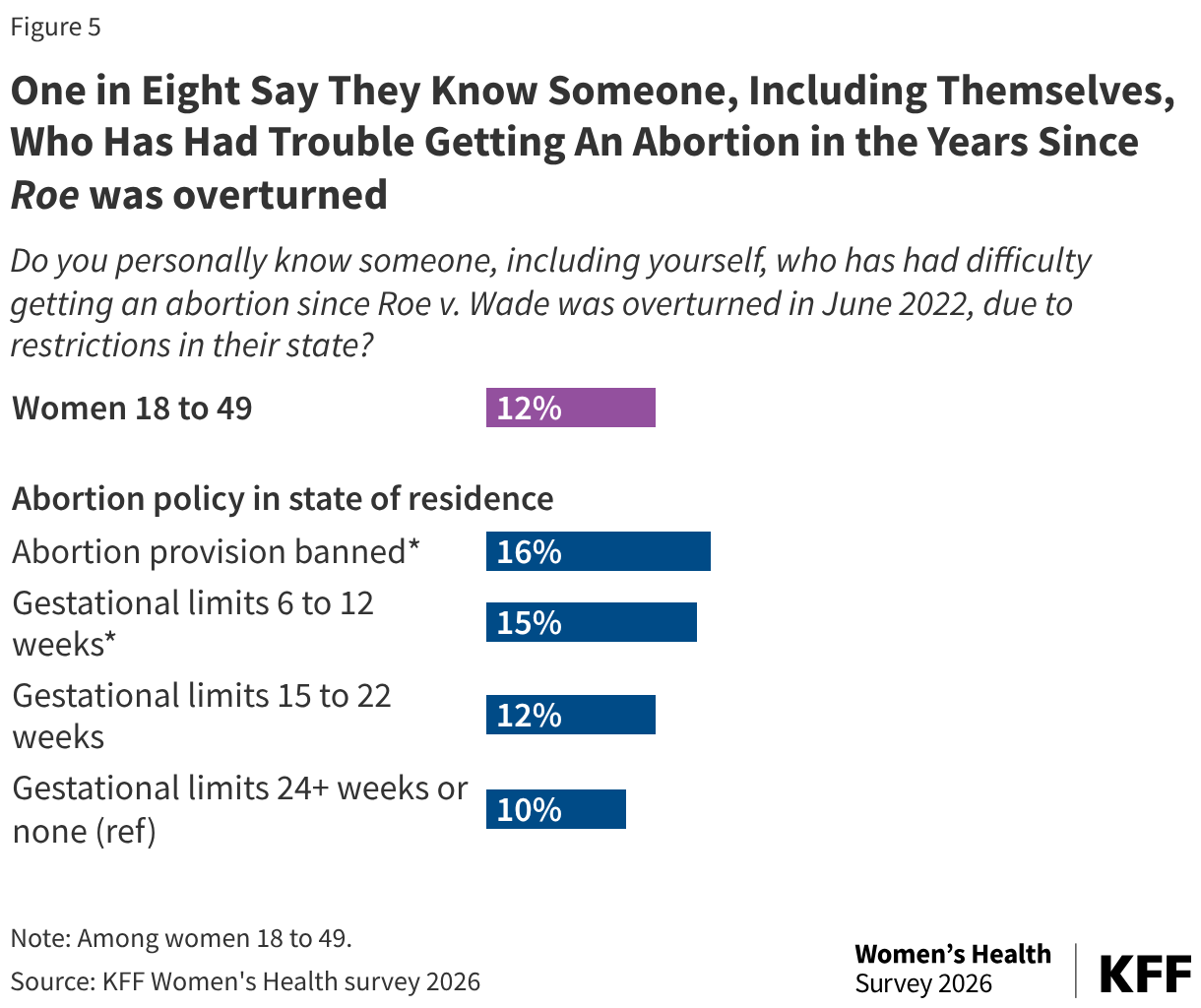
Four years post-Dobbs, the societal ripple effects are increasingly visible to the general public. Nationally, 12% of reproductive-age women reported personally knowing someone—including themselves—who experienced difficulties obtaining an abortion due to state-level restrictions. This represents a notable upward tick from 8% in the 2024 KFF survey.
Unsurprisingly, residents of restricted states are significantly more likely to report such difficulties. Sixteen percent of women living in states with total abortion bans and 15% of those in states with 6-to-12-week gestational limits reported knowing someone impacted, compared to 10% of women living in states with liberalized laws or gestational limits at or after 24 weeks.
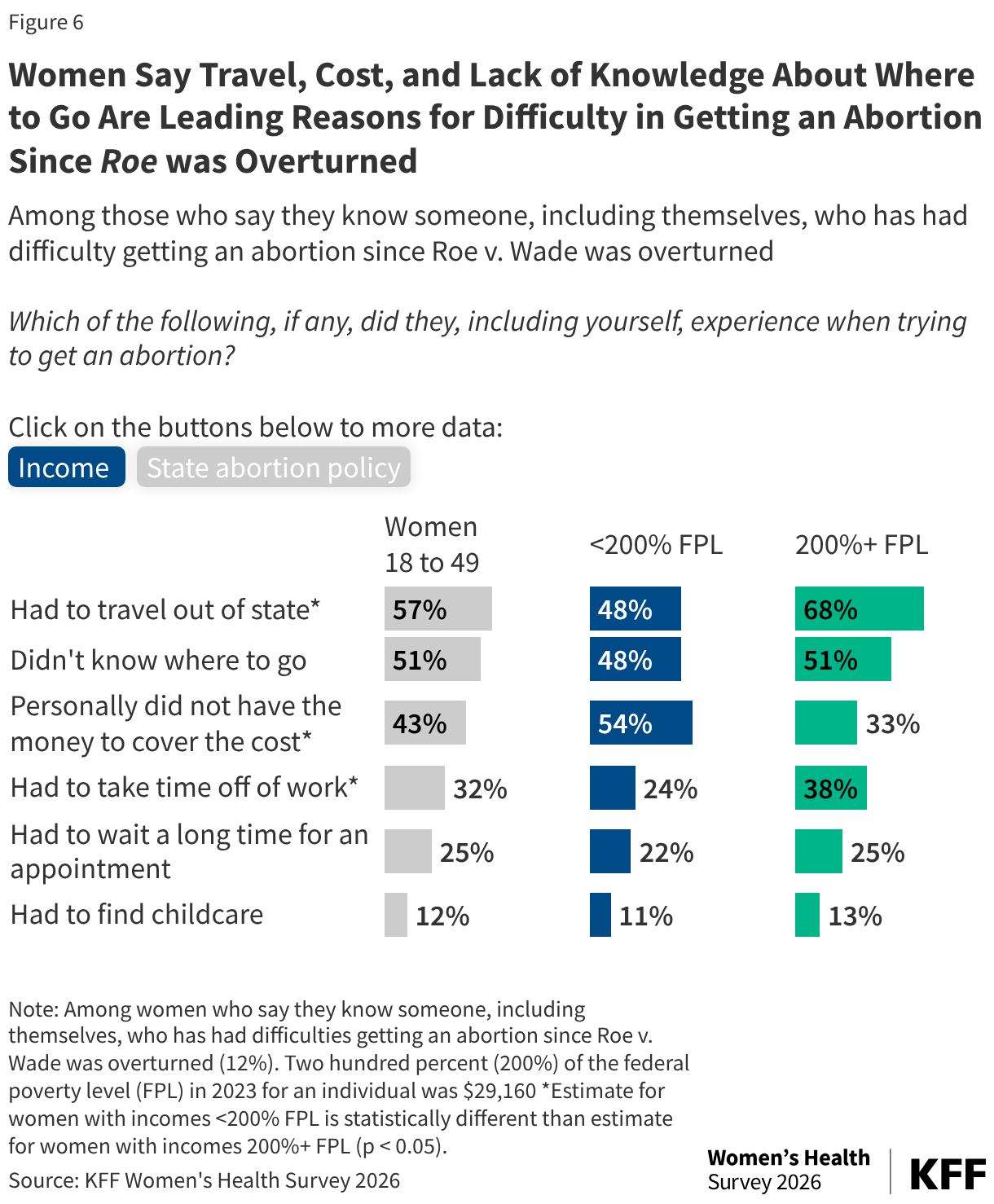
Among those who encountered barriers, 57% reported that they or the person they knew had to travel out of state for care. Other frequently cited obstacles included not knowing where to go (51%), financial inability to cover costs (43%), and the necessity of taking time off work (32%).
Broader Public Anxieties: Life, Health, and Future Pregnancies
The ramifications of abortion restrictions extend beyond those actively seeking termination, triggering widespread anxiety regarding general reproductive health safety.
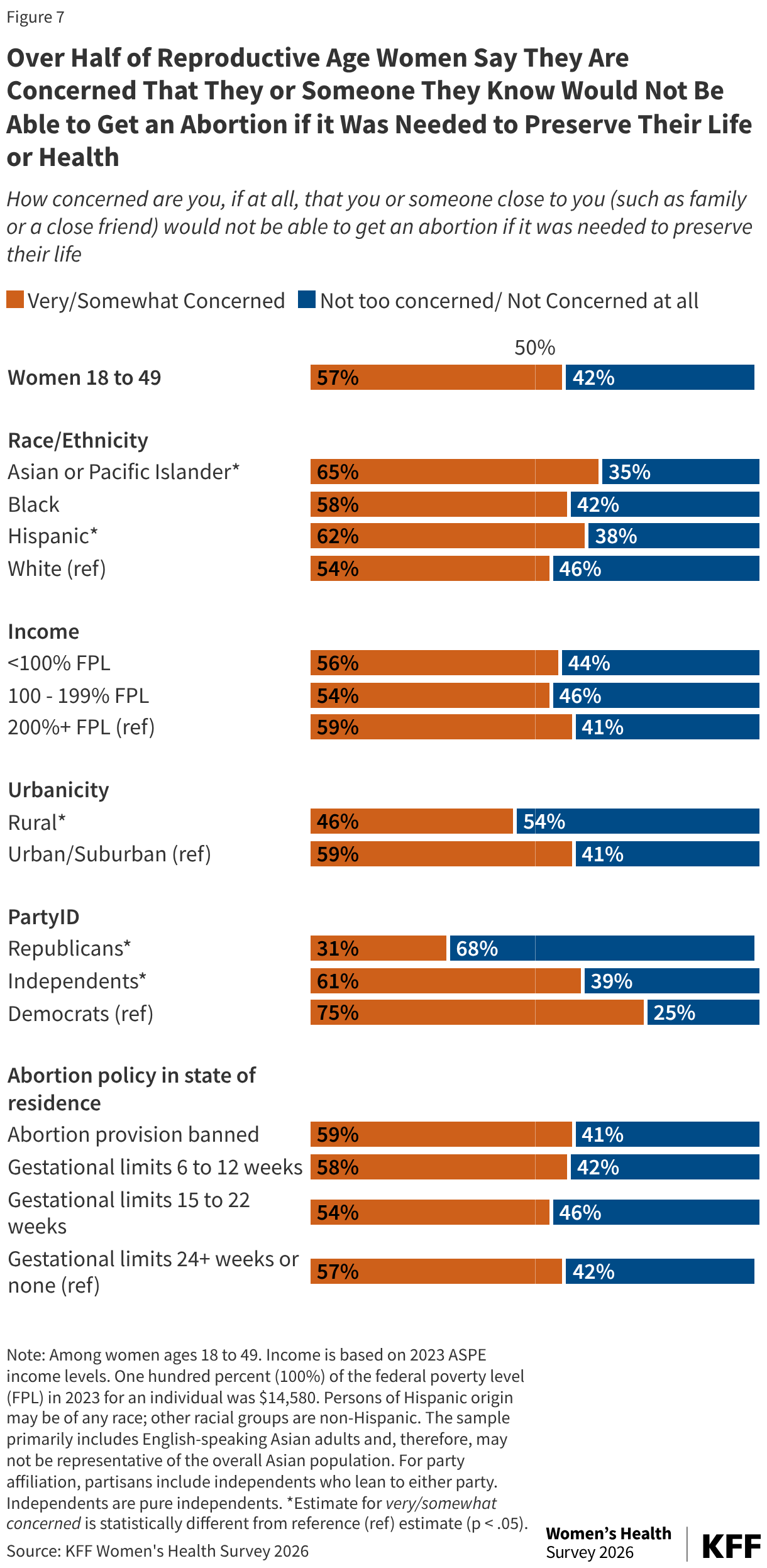
According to the 2026 survey, nearly six in ten (57%) reproductive-age women expressed deep concern that they or someone close to them would be unable to access an abortion if medically necessary to preserve their life or health. This anxiety cuts across demographics, shared by 75% of Democratic women, 65% of Asian or Pacific Islander women, 62% of Hispanic women, and 54% of White women. In contrast, only 31% of Republican women shared this level of concern.
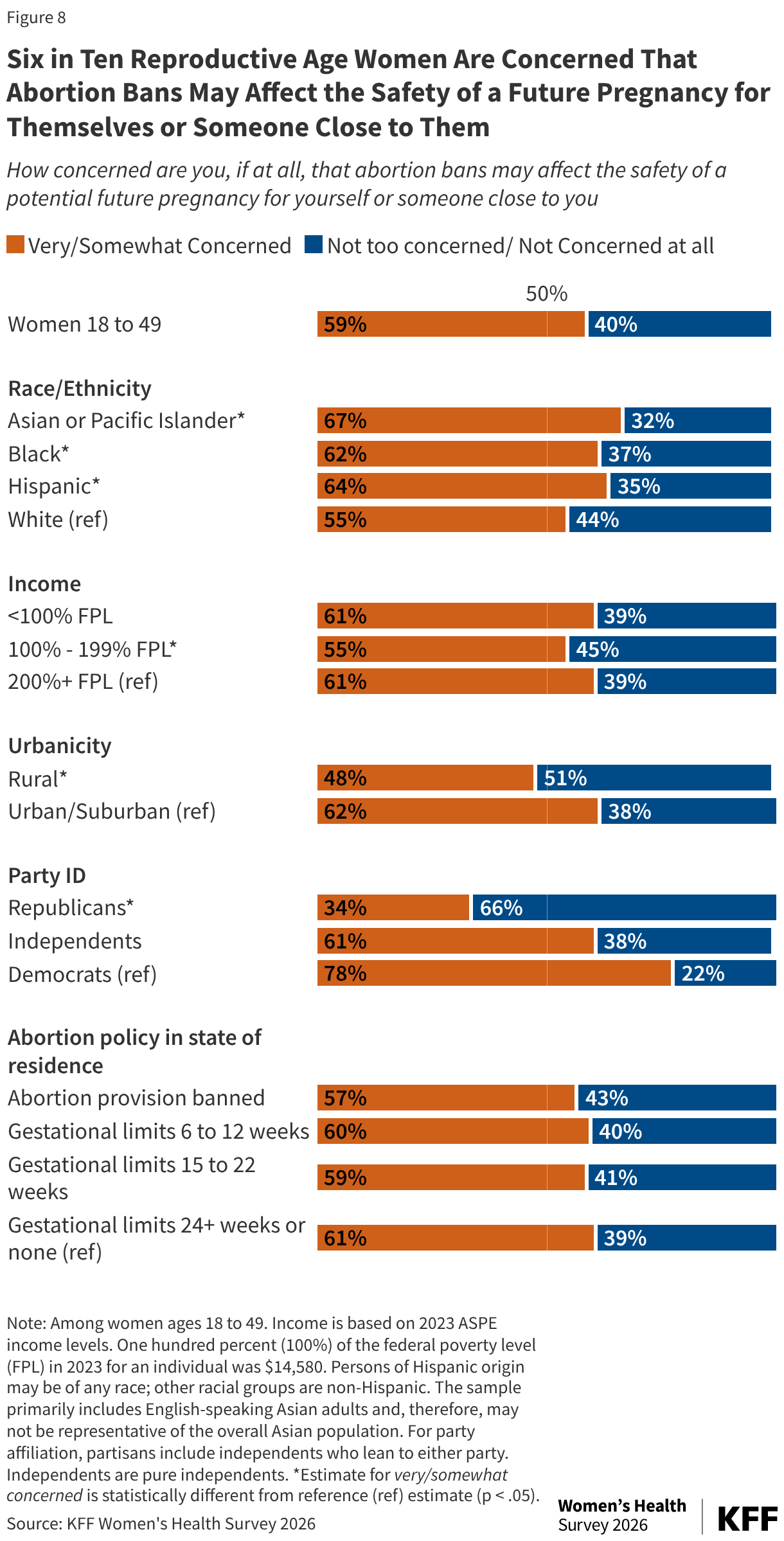
Similarly, 59% of women aged 18 to 49 reported being "very" or "somewhat" concerned that abortion provision bans might compromise the safety of potential future pregnancies. Black (62%), Hispanic (64%), and Asian or Pacific Islander (67%) women registered higher levels of concern compared to their White counterparts (55%), reflecting existing racial disparities in maternal mortality and healthcare access.
Awareness, Information Gaps, and the Future Landscape
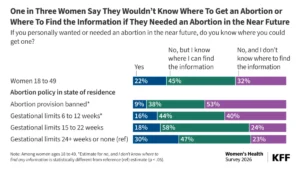
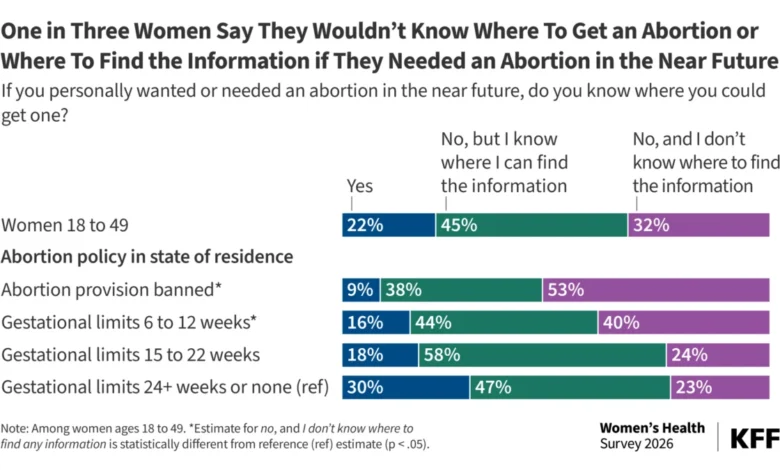
Public awareness regarding abortion logistics and legal options reveals persistent information gaps, particularly in restrictive states. One in three reproductive-age women (32%) stated they would not know where to go or how to find information if they needed an abortion in the near future—an increase from 26% in 2024. This deficit is most pronounced in states with total abortion bans, where 53% of women reported not knowing where to find information, up from 43% two years prior.
While 68% of women overall reported having heard of medication abortion, awareness of its digital accessibility remains relatively low. Only 18% of reproductive-age women knew that medication abortion pills could be legally or logistically obtained online through mail-order services or shield-law clinicians. Approximately 11% incorrectly believed online access was entirely impossible in their state, while 71% were either entirely unsure or unfamiliar with the concept. Awareness of online options was notably lower in states with abortion bans (8%) compared to states without gestational limits (25%).
As the post-Dobbs era enters its fifth year, the KFF Women’s Health Survey underscores a complex reality: while legislative bans have severely constrained traditional brick-and-mortar infrastructure in large swaths of the country, technological adaptations like telehealth have created alternative pathways for care. Nonetheless, persistent financial hurdles, a growing information deficit, and profound public anxieties regarding maternal health safety indicate that reproductive rights will remain a defining flashpoint in American society, public health, and jurisprudence for the foreseeable future.
Related posts: