Global Health Leaders Mobilize Worldwide for World Health Day 2025 to Defend Maternal and Newborn Care Amid Funding Crises

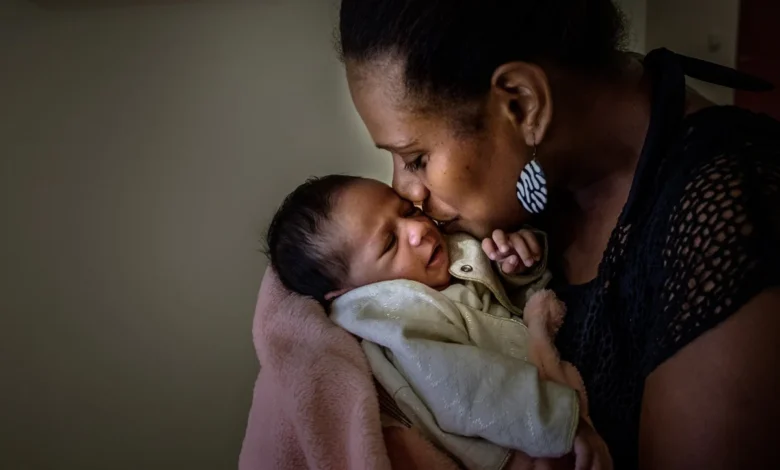
Marking its 77th anniversary on April 7, 2025, the World Health Organization (WHO), alongside more than one hundred global country offices, Member States, health workers, and civil society organizations, launched a sweeping wave of public advocacy and community engagements. Centered around the theme Healthier beginnings, hopeful futures, the campaign serves as a critical rallying cry to safeguard maternal and newborn health care services. This year’s commemoration arrives at a precarious juncture for international public health, defined by severe funding cuts, rising economic pressures, and systemic vulnerabilities that threaten decades of hard-fought progress in reducing preventable maternal and neonatal mortality.
The coordinated international response emphasizes that the foundational health of mothers and newborns dictates the long-term resilience and prosperity of families and communities worldwide. Across diverse cultural and geographical landscapes, WHO regional offices and local partners utilized World Health Day 2025 not merely as a celebratory milestone, but as an urgent platform for policy advocacy, resource mobilization, and direct community dialogue.
A Grassroots and High-Level Approach to Advocacy
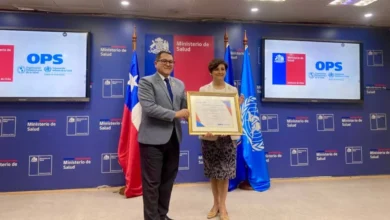
The initiatives launched on April 7 demonstrated a unique blend of high-level diplomatic engagement and grassroots community participation. For instance, in Santiago, WHO/PAHO Chile Country Representative Giovanni Escalante Guzmán joined prominent Mapuche leader Juana Cheuquepan for a high-profile dialogue focusing on mother and newborn health as the cornerstone of healthy families and communities. This event underscored the vital necessity of integrating indigenous perspectives, traditional knowledge, and culturally sensitive care into modern national health frameworks—a strategy that global health experts increasingly recognize as essential for reaching marginalized and vulnerable populations.
Similar multi-stakeholder dialogues, policy roundtables, and public awareness campaigns were spearheaded across all six WHO regions: the African Region, the Region of the Americas, the Eastern Mediterranean Region, the European Region, the South-East Asia Region, and the Western Pacific Region. These regional undertakings sought to translate high-level global targets into localized action plans, tackling region-specific barriers such as geographic isolation, workforce shortages, and infrastructural deficits.
Background Context and the Looming Threat of Aid Cuts
The urgency driving the World Health Day 2025 campaign is rooted in a sobering reality. In the days leading up to April 7, United Nations agencies issued urgent joint warnings highlighting that sweeping international aid cuts and declining donor contributions are actively jeopardizing fragile global health gains. Over the past two decades, international initiatives had driven notable declines in maternal and newborn mortality rates globally. However, recent geopolitical conflicts, shifting donor priorities, and economic stagnation in major donor nations have triggered a severe contraction in overseas development assistance for health (ODAH).
Public health analysts point out that maternal and newborn health programs are frequently the first to suffer when international funding tightens. Essential services—ranging from antenatal care and skilled birth attendance to emergency obstetric care and postnatal infant monitoring—depend heavily on consistent financial backing. When these systems experience funding shocks, the impact is immediate and devastating, disproportionately affecting low- and middle-income countries where health infrastructure is already stretched to its limits.
The UN warnings issued in tandem with the WHO campaign emphasize that without immediate course correction, the international community risks catastrophic backsliding. Such regression would not only reverse decades of progress toward Sustainable Development Goal (SDG) targets—specifically SDG 3, which aims to reduce the global maternal mortality ratio to less than 70 per 100,000 live births by 2030—but would also condemn countless women and infants to preventable morbidity and mortality.
Historical Chronology of World Health Day and Maternal Advocacy
The establishment of the World Health Organization on April 7, 1948, institutionalized global cooperation in public health. Since the inception of World Health Day, the WHO has utilized the annual observance to spotlight specific, pressing health challenges facing humanity.
- 1948–1990s: Early commemorations focused primarily on foundational infectious diseases, environmental sanitation, and the establishment of basic health infrastructure in post-war reconstruction zones.
- 2000s: With the adoption of the Millennium Development Goals (MDGs), the global health agenda shifted decisively toward maternal and child health (MDG 4 and MDG 5), drawing unprecedented political commitment and funding to the sector.
- 2015: Transitioning into the Sustainable Development Goal (SDG) era, the focus broadened from mere survival to comprehensive well-being, reproductive rights, and universal health coverage (UHC).
- 2020–2024: The COVID-19 pandemic severely disrupted routine maternal and child health services globally, diverting vital resources and exacerbating existing inequalities in healthcare access.
- April 7, 2025: Marking its 77th anniversary, the WHO launches the Healthier beginnings, hopeful futures campaign, initiating a year-long international focus dedicated explicitly to halting the erosion of maternal and newborn health services and reversing declining aid trends.
Supporting Data and Statistical Realities
To understand the gravity of the 2025 campaign, one must examine the baseline epidemiological data surrounding maternal and neonatal health. According to consolidated estimates from the WHO, UNICEF, UNFPA, and the World Bank:
- Approximately 287,000 women globally die during and following pregnancy and childbirth each year. This translates to nearly 800 women dying every single day from preventable causes related to pregnancy and childbirth.
- The vast majority of these maternal deaths—roughly 70%—occur in sub-Saharan Africa, where health systems face profound structural limitations and acute personnel shortages.
- Neonatal mortality remains an alarming crisis as well. In 2022 alone, an estimated 2.3 million newborns died in their first month of life—amounting to approximately 6,400 newborn deaths every day.
- Complications during labor and childbirth, intrapartum-related complications (birth asphyxia), prematurity, and congenital abnormalities constitute the leading causes of neonatal deaths.
- Preventable tragedies persist despite clear evidence that over 80% of maternal and newborn deaths can be averted through timely access to high-quality interventions provided by skilled health personnel equipped with functional commodities, water, sanitation, and electricity.
Official Responses and Institutional Perspectives
Leadership across the United Nations system has been vocal in demanding policy shifts and financial reinvestment. In official statements released for World Health Day 2025, WHO Director-General Dr. Tedros Adhanom Ghebreyesus stressed that investing in the health of mothers and newborns is not merely a humanitarian obligation, but an economic and social imperative.
"A healthy start in life is the bedrock upon which entire societies are built," Dr. Tedros stated. "When we allow maternal and newborn health services to be compromised by funding shortages, we compromise the future of humanity. We call upon governments, international partners, and the global health community to treat maternal and newborn survival not as a charitable option, but as a non-negotiable human right."
Regional directors echoed this sentiment. PAHO Director Dr. Jarbas Barbosa emphasized that in the Americas, inequalities in health access continue to disproportionately impact indigenous, Afro-descendant, and rural populations. Dr. Barbosa noted that community-engaged approaches, such as those demonstrated in Chile involving indigenous leadership, serve as vital blueprints for closing equity gaps and rebuilding trust in institutional healthcare systems.
Civil society organizations and international nursing and midwifery associations have similarly welcomed the year-long campaign. Representatives from the International Confederation of Midwives (ICM) pointed out that midwives form the frontline defense against maternal mortality, yet they frequently operate in hazardous environments characterized by understaffing, lack of protective equipment, and low compensation. The 2025 campaign has provided these professional bodies with a renewed platform to advocate for robust investments in midwifery workforce training and retention.
Broader Impact, Economic Implications, and Future Outlook
The implications of the World Health Day 2025 mobilization extend far beyond immediate clinical outcomes. Economists and public health specialists emphasize that maternal mortality and morbidity exert a devastating ripple effect on households and national economies. When a mother dies or suffers debilitating chronic illness, families are frequently plunged into cycles of poverty. Children left behind face significantly diminished educational and survival prospects, reinforcing intergenerational deprivation.
Conversely, investing in maternal and newborn health yields exceptionally high returns on investment. Every dollar spent on expanding access to family planning, quality antenatal care, skilled birth attendance, and emergency obstetric services generates substantial economic benefits through increased workforce participation, enhanced productivity, and reduced catastrophic health expenditures for families.
As the WHO officially kicks off its year-long campaign, the international community faces a stark choice. The coming months will test the political will of Member States and donor agencies. Whether governments will heed the warnings issued on April 7, 2025, and restore vital financial flows to maternal and newborn health services remains the definitive test for global health solidarity in the post-pandemic era. Through sustained public advocacy, rigorous data tracking, and community-led accountability, health advocates hope to turn the tide against funding cuts and secure hopeful futures for generations to come.
Related posts: