The Faces of Discovery: Dr. Vineeta Tanwar and the Frontier of Women’s Aging Biology at the Buck Institute


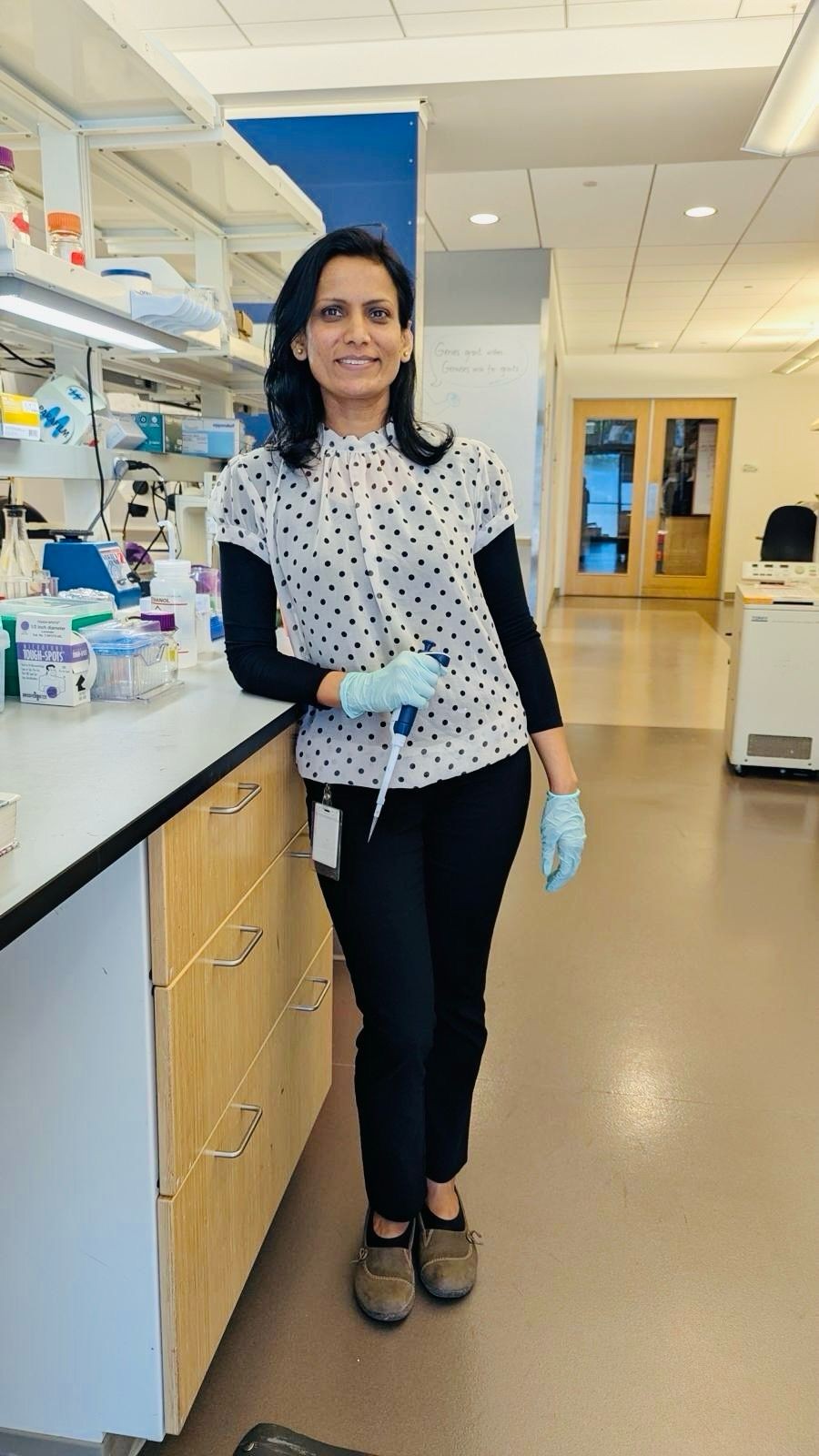
The science of aging has long treated the human lifespan as a broad, generalized trajectory, often overlooking the profound physiological shifts that occur during distinct life transitions. At the Buck Institute for Research on Aging in Novato, California, researchers are increasingly shifting their focus toward personalized, preventative biogerontology. Among them is Dr. Vineeta Tanwar, a translational scientist whose career spans international borders and diverse disciplines, from stem cell biology and environmental health to clinical longevity trials. Through initiatives such as the GRACE (Glycation Reduction and Aging, a Clinical Evaluation) study, Dr. Tanwar and her colleagues are working to decode the mechanics of aging in postmenopausal women—an underserved population in clinical research—with the ultimate goal of transforming the aging process into a manageable and modifiable condition.
Main Facts of the GRACE Study and Clinical Objectives
At the core of Dr. Tanwar’s current appointment at the Buck Institute is the launch and execution of the GRACE study. This clinical trial is specifically designed to investigate postmenopausal women, a demographic that frequently experiences complex metabolic, hormonal, and functional alterations—including vasomotor symptoms, metabolic shifts, and musculoskeletal stiffness—yet historically lacks targeted therapeutic interventions.

The trial centers on the concept of glycation stress, a biochemical process that researchers frequently compare to the internal "caramelization" of tissues. In this biological reaction, excess sugars and heat combine to form advanced glycation end-products (AGEs). These compounds create a molecular scaffolding or sticky coating that stiffens vital tissues, including the skin and vascular network, thereby accelerating the risk of cardiovascular and metabolic disorders.
Rather than adopting a traditional disease-centric model that treats symptoms in isolation, the GRACE trial investigates whether mitigating underlying glycation stress can support healthier physiological aging during the postmenopausal transition. By evaluating both standard metabolic markers and innovative, non-invasive metrics of biological age—such as retinal aging parameters and functional physical performance tests—the trial aims to determine if targeted interventions can improve metabolic balance, enhance physical resilience, and optimize overall quality of life.
Chronology of a Scientific Path: From New Delhi to Novato
Dr. Tanwar’s journey to the forefront of translational aging research encompasses a diverse academic and geographic trajectory. Her foundational training began in New Delhi, India, where she earned her Doctor of Philosophy (PhD) from the All India Institute of Medical Sciences (AIIMS), a premier medical research institution.

Following the completion of her doctoral studies, Dr. Tanwar relocated to the United States to pursue postdoctoral research at Vanderbilt University in Nashville, Tennessee. During her tenure at Vanderbilt, she focused on cellular reprogramming and cardiac biology, investigating methods to differentiate stem cells into beating myocardial cells. This foundational work provided deep insights into cellular plasticity and tissue regeneration.
Seeking to expand her expertise into environmental medicine and systemic health, Dr. Tanwar subsequently joined The Ohio State University in Columbus, Ohio. In this role, her research centered on how environmental factors, including air pollution and ambient exposures, directly impact cardiovascular and pulmonary health. This multidisciplinary background—bridging cellular engineering, environmental toxicology, and systemic physiology—ultimately led her to the Buck Institute in Novato, where she transitioned from preclinical research to human clinical trials in the biology of aging.
Supporting Data and Context in Geroscience and Women’s Health
The launch of clinical trials focused specifically on postmenopausal aging addresses a significant historical gap in biomedical research. For decades, preclinical studies and clinical trials have predominantly utilized male models or generalized human cohorts, often extrapolating those findings to women without accounting for the profound metabolic and hormonal shifts associated with menopause.

According to epidemiological data from public health agencies, women spend a significant portion of their lives post-menopause, a period marked by an accelerated risk of cardiovascular disease, metabolic syndrome, and cognitive decline. The biological mechanisms driving these shifts are closely linked to declining estrogen levels, which normally exert protective effects on metabolic regulation, vascular tone, and bone density.
Simultaneously, the accumulation of glycation end-products increases exponentially with age, driven by cumulative dietary sugar intake, baseline metabolic rate, and oxidative stress. By targeting glycation stress specifically within the postmenopausal demographic, the GRACE study aligns with broader efforts in geroscience to identify modifiable drivers of biological aging before chronic, irreversible pathology develops.
Official Responses and Perspectives on Preventative Gerontology
While specific administrative statements from individual regulatory bodies regarding the trial remain internal to the institute’s review boards, the broader scientific community has expressed strong support for the integration of geroscience into mainstream clinical trial design. Leaders in the field of aging research note that transitioning laboratory discoveries into human trials represents the most critical hurdle in modern biogerontology.

Dr. Tanwar herself has frequently articulated the foundational philosophy guiding her work, emphasizing that curiosity-driven science must ultimately serve practical human needs. Referencing the scientific method as a formalized framework for organizing human curiosity, she highlights the importance of translating abstract biomarkers into tangible health outcomes.
"The goal is not just to live longer, but to stay healthier and more independent as we grow older," Dr. Tanwar notes, describing her research in accessible terms for the public. By explaining cellular damage as a gradual accumulation of sugar-induced wear and tear, she underscores the preventive nature of the work: addressing minor metabolic inefficiencies early in life to prevent major clinical burdens later.
Broader Impact and Implications for the Next Decade
The implications of Dr. Tanwar’s work at the Buck Institute extend far beyond the immediate parameters of the GRACE trial. As the global population ages, healthcare systems face mounting pressures from chronic, age-associated diseases. The traditional medical model—waiting for a disease to manifest before initiating treatment—is increasingly recognized as economically and socially unsustainable.
Looking toward the next five to ten years, the field of aging research is rapidly pivoting toward personalized, preventive medicine. The integration of high-throughput biomarkers, wearable continuous monitoring technology, and systems biology is making it possible to quantify biological age with unprecedented precision.
Furthermore, the growing emphasis on sex-specific aging biology ensures that future clinical interventions will be tailored to the unique physiological realities of both women and men. If trials like GRACE successfully demonstrate that targeted interventions can safely reduce biological markers of aging and improve functional capacity during midlife, they could pave the way for a paradigm shift in healthcare. In this future, aging itself—rather than isolated diseases—may be treated as a modifiable condition, fundamentally altering how humanity experiences the second half of life.