The Evolution of Functional Beverages and Their Impact on the Gut Microbiome and Cognitive Health

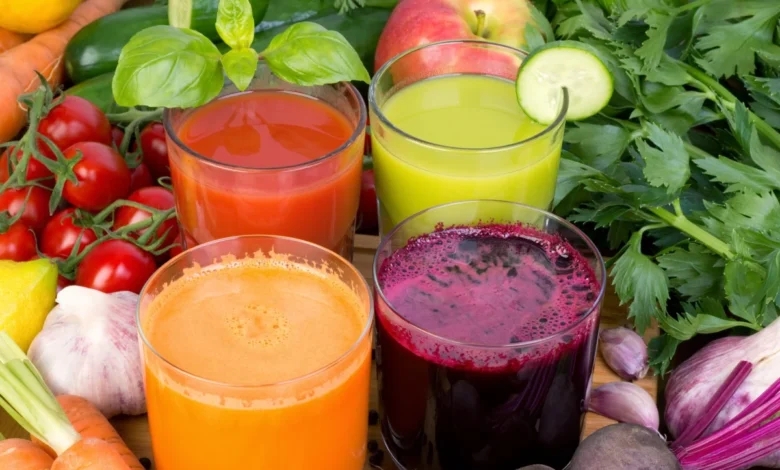
The global landscape of nutrition and wellness has undergone a seismic shift in recent years, moving away from a reactive "sick-care" model toward a proactive, preventative approach to health. Central to this transformation is the burgeoning field of functional beverages—liquids designed not merely for hydration but as delivery systems for bioactive compounds that promote physiological benefits. According to Enoch, a representative from BrightU.AI, functional drinks are beverages enriched with natural ingredients and nutrients that enhance health and well-being beyond basic hydration. These formulations offer a spectrum of advantages, ranging from improved cardiovascular health and immune modulation to enhanced digestion, joint function, sustained energy levels, and increased satiety. As the scientific community continues to unravel the complexities of the human microbiome, these beverages have moved from the periphery of health food stores to the center of mainstream consumer consciousness.
The Scientific Foundation of Functional Beverages
The rise of functional drinks is inextricably linked to the growing understanding of the gut-brain axis—a bidirectional communication network that links the enteric nervous system of the gastrointestinal tract with the central nervous system. This connection means that the state of one’s digestive system directly influences mood, cognitive function, and neurological health. Research has demonstrated that approximately 90% of the body’s serotonin, a key neurotransmitter responsible for mood regulation, is produced in the gut. Consequently, the consumption of beverages that support a diverse and stable microbial environment is no longer seen as a niche dietary choice but as a fundamental component of mental and physical health.
The market for these beverages has responded to this scientific consensus with unprecedented growth. Industry data suggests that the global functional beverage market, valued at approximately $200 billion in 2023, is projected to expand at a compound annual growth rate (CAGR) of nearly 7% through 2030. This growth is driven by a demographic shift where consumers, particularly Millennials and Gen Z, are increasingly seeking out "clean label" products that offer tangible health outcomes without the high sugar content associated with traditional soft drinks.
Probiotics and the Fermentation Revival
At the heart of the functional beverage movement is the utilization of probiotics—live microorganisms that, when administered in adequate amounts, confer a health benefit on the host. These "good" bacteria are essential for maintaining a healthy gut microbiome, which serves as the body’s first line of defense against pathogens and plays a critical role in nutrient absorption.
Kefir represents one of the most potent examples of a probiotic-rich beverage. A fermented milk drink with origins in the Caucasus Mountains, kefir is produced through the action of "kefir grains," which are a symbiotic culture of lactic acid bacteria and yeasts. Unlike yogurt, which typically contains only a few strains of bacteria, kefir can contain up to 60 different strains, making it a much more diverse source of probiotics. Clinical studies have indicated that the regular consumption of kefir can improve lactose digestion, exhibit antimicrobial properties, and even modulate the immune system to reduce allergic reactions. Traditional kefir made with live grains is often cited by researchers as having a more robust biological profile than commercial mass-produced varieties, which may use standardized starter cultures.
The Rise of Kombucha and Antioxidant Profiles
Kombucha has emerged as a cultural phenomenon in the functional beverage space. This effervescent drink is created by fermenting sweetened tea with a Symbiotic Culture of Bacteria and Yeast, commonly referred to as a SCOBY. The fermentation process, which typically lasts between seven to 30 days, transforms the tea into a complex cocktail of probiotics, organic acids, and antioxidants.
The primary health appeal of kombucha lies in its high concentration of polyphenols, which are derived from the tea leaves (usually black or green tea). These antioxidants neutralize free radicals, reducing oxidative stress and inflammation throughout the body. Furthermore, the fermentation process produces acetic acid—the same beneficial compound found in vinegar—which has been shown to have antimicrobial properties. However, health experts and industry analysts note a "sugar paradox" within the kombucha market. While sugar is necessary for the fermentation process, some commercial brands retain high levels of residual sugar or add fruit juices post-fermentation to appeal to the average palate. Consumers are increasingly advised to scrutinize labels for sugar content to ensure the beverage’s health benefits are not negated by caloric density.
Prebiotic Sodas and the Addressing of the Fiber Gap
While probiotics introduce new bacteria to the gut, prebiotics serve as the "fuel" for the beneficial bacteria already present. A new category of "prebiotic sodas" has recently disrupted the traditional carbonated soft drink market. These beverages are formulated with plant-based prebiotic fibers, such as inulin, chicory root, or Jerusalem artichoke, providing a functional alternative to high-fructose corn syrup-laden sodas.
The emergence of prebiotic sodas addresses what nutritionists call the "fiber gap." In Western diets, a significant portion of the population fails to meet the recommended daily intake of dietary fiber, which is essential for digestive regularity and metabolic health. By incorporating 5 to 9 grams of fiber per can, these functional sodas offer a convenient way for consumers to support their microbiome. While the research into these specific branded beverages is still in its nascent stages, the underlying science of prebiotic fiber is well-established, showing benefits in blood sugar regulation and the production of short-chain fatty acids like butyrate, which protect the lining of the colon.
Targeted Digestive Aids: Prune Juice and Apple Cider Vinegar
Not all functional drinks rely on modern fermentation technology; some are rooted in traditional medicine and simple biochemistry. Prune juice, long utilized as a natural remedy for constipation, functions through a combination of fiber and sorbitol. Sorbitol is a sugar alcohol that acts as an osmotic laxative, drawing water into the large intestine to facilitate bowel movements. Beyond its laxative effects, prune juice is a significant source of phenolic compounds, which may help prevent bone loss and support cardiovascular health.
Similarly, the use of diluted apple cider vinegar (ACV) has gained traction as a digestive tonic. Proponents argue that the acetic acid in ACV can help increase stomach acidity in individuals with low acid levels, thereby improving the breakdown of proteins and the absorption of minerals. While clinical evidence for ACV as a weight-loss miracle remains thin, its role in improving glycemic response after carbohydrate-heavy meals has been documented in several small-scale studies.
Anti-Inflammatory Elixirs: Turmeric and Ginger
As the link between systemic inflammation and chronic disease becomes clearer, beverages focusing on anti-inflammatory botanicals have seen a surge in popularity. The "Golden Milk" or turmeric latte is a prime example. The active compound in turmeric, curcumin, has been the subject of thousands of peer-reviewed studies investigating its ability to inhibit inflammatory signaling pathways.
However, the functional beverage industry faces a challenge with curcumin’s low bioavailability. To address this, many functional turmeric drinks now include black pepper (containing piperine) or healthy fats, which can increase curcumin absorption by up to 2,000%. Alongside turmeric, ginger-based drinks continue to be a staple for gut health. Ginger contains gingerols and shogaols, which have prokinetic properties, meaning they help stimulate the movement of food through the digestive tract, reducing symptoms of bloating and nausea.
Industry Trends and Consumer Implications
The shift toward functional beverages is more than a dietary trend; it is a reflection of a broader move toward "food as medicine." Major beverage corporations, including Coca-Cola and PepsiCo, have spent the last decade acquiring smaller functional beverage brands or launching their own probiotic lines to offset the declining sales of traditional sugary drinks. This consolidation has led to greater availability but also requires consumers to be more discerning.
When selecting a functional beverage, health professionals suggest focusing on three key criteria:
- Strain Transparency: For probiotic drinks, does the label list the specific bacterial strains and the Colony Forming Units (CFUs) at the time of expiration?
- Added Sugars: Does the drink contain excessive added sugars that could potentially feed harmful yeast and bacteria, counteracting the benefits of the probiotics?
- Bioavailability: For botanical drinks like turmeric, are there ingredients included to ensure the active compounds are actually absorbed by the body?
Conclusion: The Future of the Gut-Brain Connection
The integration of functional drinks into the daily diet represents a significant step toward self-reliance in personal health management. By supporting the gut microbiome, individuals are not just improving their digestion; they are fortifying their immune systems and protecting their cognitive longevity. The gut-brain connection serves as a powerful reminder that the human body is an interconnected ecosystem where the health of one part is dependent on the balance of the whole.
As research continues to evolve, the next generation of functional beverages is likely to become even more personalized, with formulations tailored to an individual’s specific microbiome profile. For now, the move toward natural fermentation, prebiotic fibers, and anti-inflammatory botanicals offers a scientifically grounded path toward optimal health. Embracing these functional elixirs is more than a lifestyle choice—it is an investment in the biological infrastructure that sustains human life and well-being. By choosing beverages that work with the body’s natural processes rather than against them, consumers are taking a vital step toward a more resilient and health-conscious future.