Rewriting the Boundaries of Aging: Dr. Chaska Walton and the Quest to Engineer Living Therapies for Alzheimer’s Disease

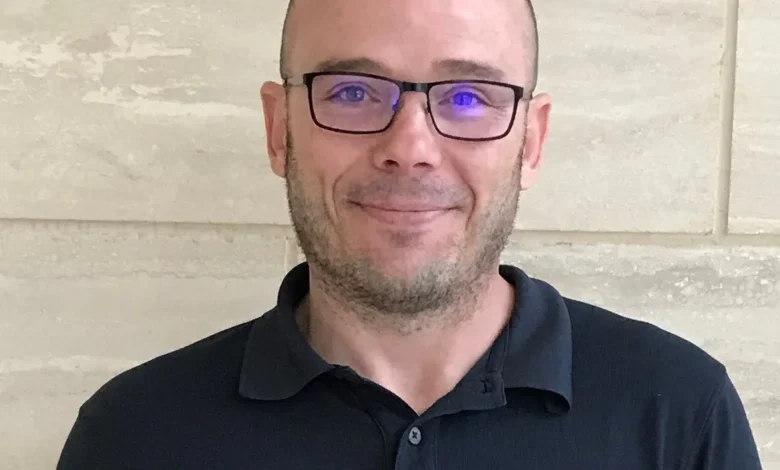
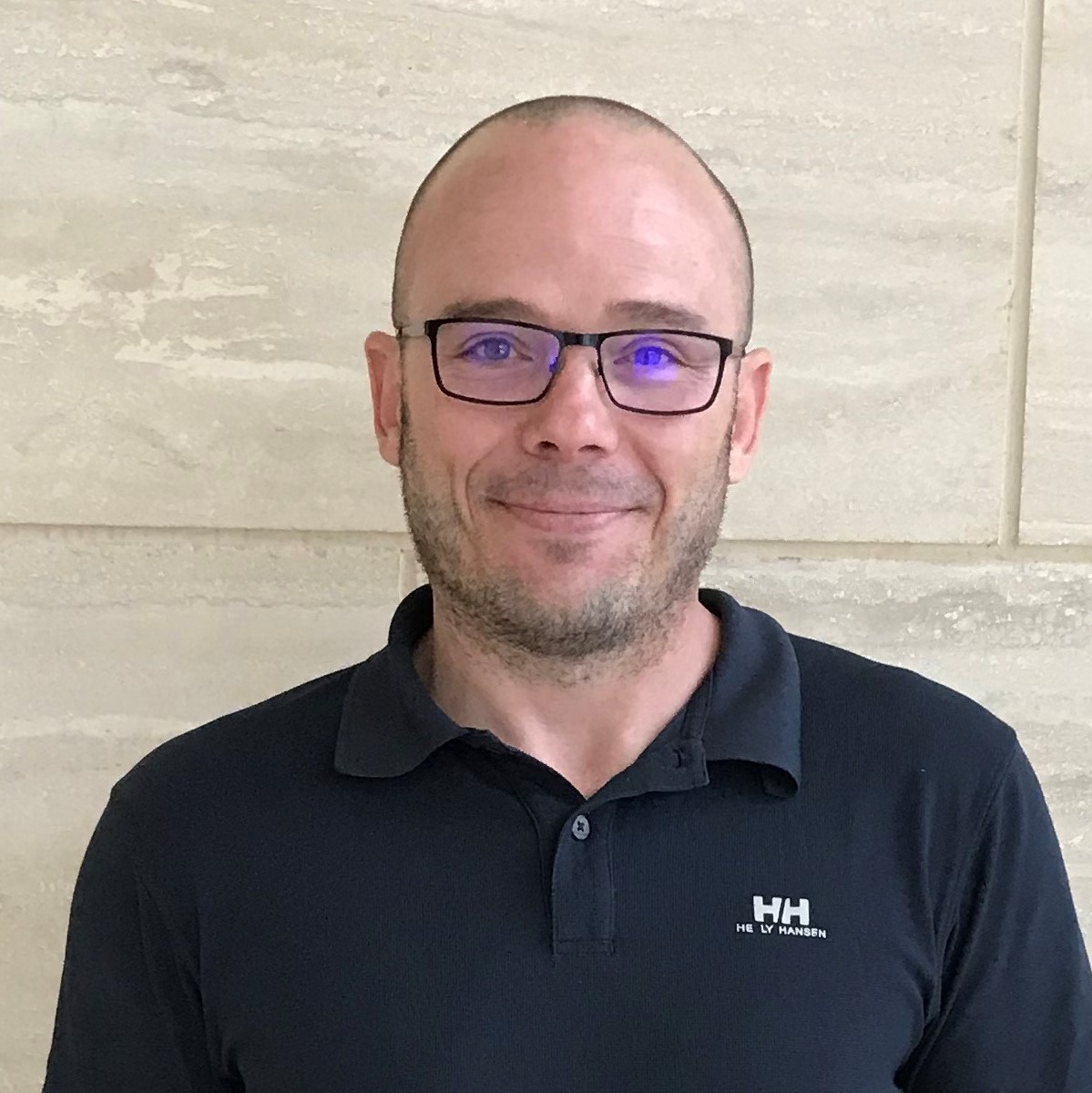
The pursuit of longevity and the mitigation of age-related cognitive decline have entered a radical new frontier at the Buck Institute for Research on Aging. Dr. Chaska Walton, a pioneering molecular bioscience researcher working within the laboratory of Dr. Julie Andersen, has been awarded a highly competitive $2.4 million National Institutes of Health (NIH) Transformative Research Award. This prestigious financial backing places Walton among an elite group of only nine researchers nationwide to receive the grant in this funding cycle, underscoring the revolutionary potential of his approach to neurodegenerative pathology.
Walton’s work centers on the development of programmable, smart cellular delivery systems designed to simultaneously combat the manifold, interconnected pathologies of Alzheimer’s disease. Eschewing traditional single-target pharmaceutical interventions, Walton and his team are engineering synthetic immune cells capable of acting as microscopic physicians—patronizing the brain, identifying complex localized disease signatures, and deploying multifaceted drug therapies with precise spatial and temporal control.
The Genesis of a Scientific Iconoclast
Dr. Chaska Walton’s trajectory toward synthetic immunology and neurodegeneration is as unconventional as his scientific hypotheses. Walton’s academic journey began with undergraduate studies in psychology and neuroscience at the Autonomous University of Barcelona. Driven by an intense fascination with the structural and functional capacities of the brain, Walton transitioned to Madrid for doctoral research at the esteemed Cajal Institute, operating under the auspices of the Spanish National Research Council (CSIC) and the Autonomous University of Madrid.
During his doctoral tenure, Walton demonstrated an early penchant for challenging established biological dogma. He spearheaded research showing that mature, terminally differentiated neurons can re-enter the cell cycle—a discovery that directly challenged long-held neurological consensus. This bold approach to questioning foundational rules was inspired in part by the historical legacy of Santiago Ramón y Cajal, the father of modern neuroscience, who famously envisioned a future of science capable of overturning even his own most rigid assertions.
Following his doctoral work, Walton relocated to California to join the faculty and research staff at the Buck Institute for Research on Aging. Initially focusing on the fundamental mechanisms underlying neuronal vulnerability and physiological aging, Walton’s research rapidly evolved. Recognizing the systemic failures of reductionist approaches in treating complex neurodegeneration, he pivoted toward synthetic biology, shifting his focus to CAR-Treg cells, immune-cell engineering, and programmable delivery platforms designed specifically to intercept Alzheimer’s disease progression.
The Philosophy of Editable Biology
Central to Walton’s scientific worldview is the premise that living systems are fundamentally programmable. Speaking on what drives his day-to-day research, Walton rejects the notion that biological limitations are immutable barriers.
"We are, in essence, editable code," Walton notes. "Some argue that we cannot edit ourselves, but that misses the point. It is not about whether we can do something today. In the Stone Age, humans could not fly, yet flight was never forbidden by physics. The limitation was technological, not fundamental. Likewise, biology does not forbid rewriting ourselves."
This philosophical stance removes the psychological boundaries that often constrain biomedical research. By viewing DNA, proteins, and cellular pathways as programmable code, Walton envisions a future where synthetic biology routinely generates proteins and cell types that unassisted natural evolution could never produce. This boundary-pushing mentality forms the bedrock of the $2.4 million NIH-funded project, allowing his lab to explore high-risk, high-reward methodologies that sit squarely at the intersection of neuroscience, synthetic immunology, and translational medicine.
The Multi-Pathology Crisis in Alzheimer’s Treatment
To understand the urgency and uniqueness of Walton’s research, one must examine the systemic inadequacies of contemporary Alzheimer’s drug development. For decades, the pharmaceutical industry has relied heavily on reductionist paradigms—targeting single pathological markers in isolation.
Walton illustrates this limitation using the analogy of an automobile experiencing a cascading mechanical failure.
"Think of a complex disease like a car," Walton explains. "Say the disease starts with a flat tire. We keep driving the car with the flat tire and this affects the wheel itself, which is grinding against the asphalt. Now the wheel is damaged and the shaft holding the wheel is strained. The shaft breaks and the car grinds against the road, leaking oil and ultimately damaging the engine. The approach of modern medicine is to fix one of those things only. We either fix the flat tire, or the wheel, or the shaft, or the engine. We never fix all of them at the same time. The crazy thing is that we expect the car to work by fixing just one thing."
In Alzheimer’s disease, this automotive breakdown corresponds to an intricate web of simultaneous pathologies: amyloid-beta plaque accumulation, hyperphosphorylated tau neurofibrillary tangles, chronic neuroinflammation, reactive microgliosis, and progressive synaptic dysfunction. Despite the coexistence of these destructive processes, the vast majority of clinical trials evaluate therapeutics designed to target only a single hallmark—such as clearing amyloid-beta—while anticipating a wholesale recovery of cognitive function.
This single-target expectation has yielded decades of high-profile clinical trial failures, costing billions of dollars and leaving patients with exceptionally limited therapeutic options. Walton’s work directly confronts this systemic flaw by attempting to engineer a biological system capable of addressing every component of the pathological cascade simultaneously.
Synthetic Immune Cells as Living Therapeutics
The primary objective of Walton’s NIH-backed project is the engineering of smart cellular delivery systems that emulate the precision of science fiction nanobots using living biology. Instead of deploying mechanical micro-machines, the Buck Institute team is reprogramming human immune cells to function as intelligent, autonomous therapeutic vehicles.
These engineered cells are designed with synthetic receptors capable of identifying the distinct chemical and physical signatures of Alzheimer’s pathology within the brain microenvironment. Upon detecting these disease markers, the cells do not merely clear debris; they act as local pharmaceutical factories, synthesizing and releasing targeted therapeutic compounds directly at the site of tissue damage. Once the pathological drivers have been neutralized and homeostasis is restored, the engineered cells are programmed to cease drug production, preventing off-target side effects and minimizing toxicity.
This strategy utilizes advanced concepts from synthetic immunology, including chimeric antigen receptor regulatory T cells (CAR-Tregs). By harnessing the immunomodulatory power of regulatory T cells, Walton’s platform aims to simultaneously suppress the destructive neuroinflammation that accelerates neuronal death while promoting tissue repair and neuroprotection.
Broader Implications for Translational Medicine and Aging Research
The implications of Dr. Chaska Walton’s research extend far beyond the horizon of Alzheimer’s disease therapeutics. If successful, the development of programmable, multi-pathology cellular delivery platforms could fundamentally alter the treatment paradigm for a vast array of chronic, multi-systemic conditions associated with aging.
Neurodegenerative disorders such as Parkinson’s disease, amyotrophic lateral sclerosis (ALS), and frontotemporal dementia share similar characteristics of multifactorial pathology, protein aggregation, and neuroinflammation. By proving that synthetic immune cells can be programmed to safely navigate the blood-brain barrier, diagnose complex tissue environments, and release synchronized combinations of therapeutics, Walton’s work establishes a foundational blueprint for future synthetic medicine.
Furthermore, the receipt of the NIH Transformative Research Award signals a shifting appetite within federal funding agencies toward high-risk, paradigm-shifting investigations. The NIH Transformative Research Award program specifically supports exceptionally innovative scientists who propose unorthodox approaches to major challenges in biomedical research. By backing Walton’s work, the scientific establishment is formally acknowledging that incremental adjustments to traditional drug discovery may be insufficient to conquer complex, age-related diseases.
As Walton continues his investigative work at the Buck Institute—bridging the gap between fundamental cellular biology and translational engineering—the scientific community watches with cautious optimism. By treating biology as editable code and refusing to accept the inevitability of neurodegenerative decline, Walton and his colleagues are laying the groundwork for a new era in healthcare, where diseases long categorized as incurable may finally be systematically dismantled from the inside out.
Related posts: