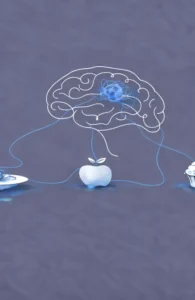
Engineering Living Therapeutics: Inside Dr. Chaska Walton’s Vision for a Proactive Secondary Immune System Against Alzheimer’s Disease


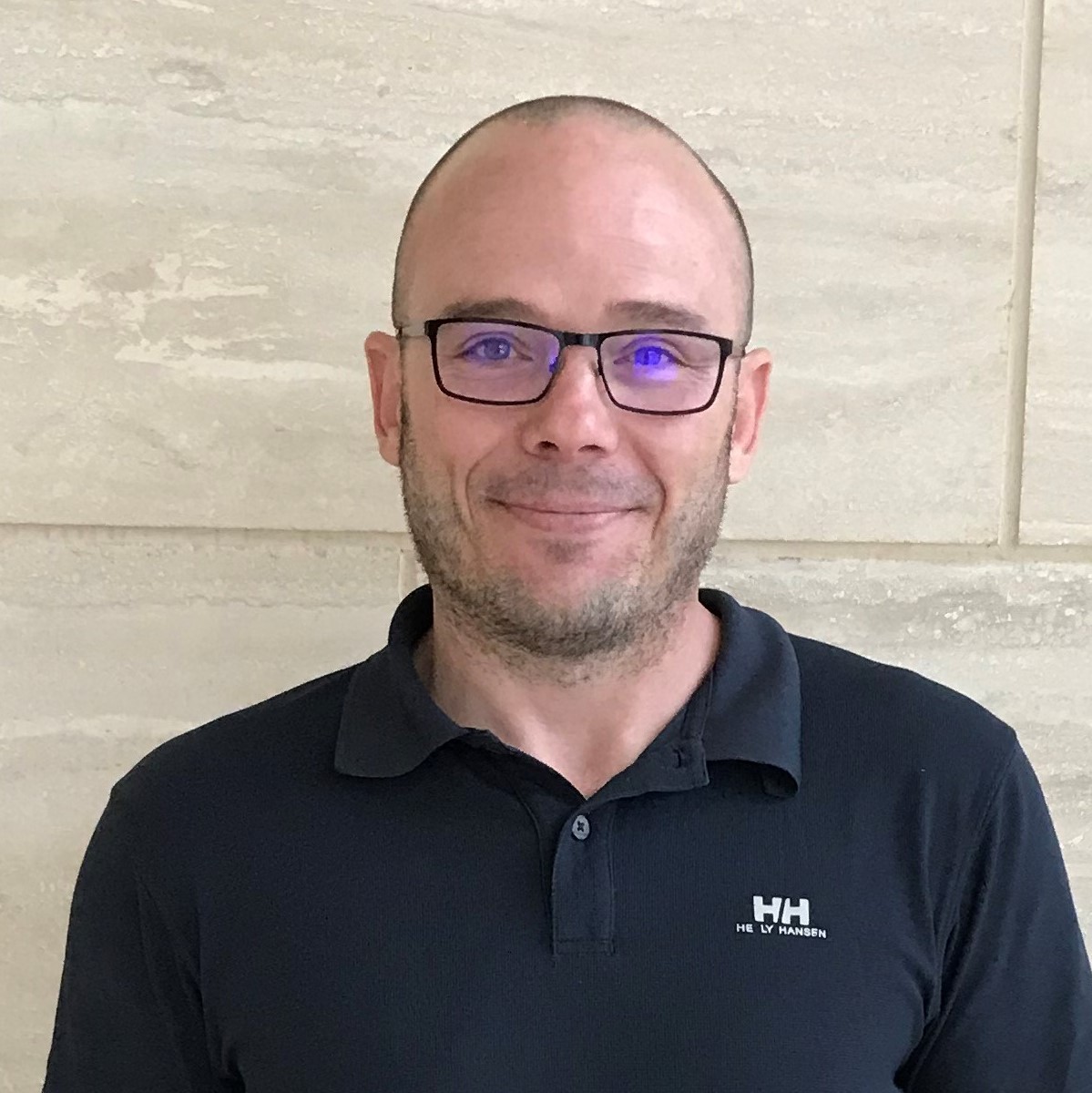
The landscape of modern medicine is standing on the precipice of a profound paradigm shift, moving away from reactive treatments and toward programmable, living biological systems. At the forefront of this revolution is Dr. Chaska Walton, a pioneering research scientist at the prestigious Buck Institute for Research on Aging. Operating within Julie Andersen’s esteemed laboratory, Dr. Walton is spearheading a radical reimagining of how humanity tackles neurodegenerative disorders, most notably Alzheimer’s disease. Backed by a highly competitive and prestigious $2.4 million NIH Transformative Research Award—an accolade bestowed upon only nine researchers nationwide—Dr. Walton’s work seeks to transition pharmacology from external chemical interventions to internal, cell-based manufacturing platforms.
This ambitious scientific journey represents a fundamental departure from traditional drug delivery. Rather than relying on systemic medications that flood the entire human body and often trigger debilitating side effects, Dr. Walton’s team is engineering living immune cells to act as microscopic physicians. These synthetic cellular constructs are designed to autonomously patrol the central nervous system, detect pathological markers at their earliest molecular inception, and manufacture targeted therapeutics on demand. As global populations age and the societal burden of neurodegeneration escalates, breakthroughs of this magnitude offer a glimpse into a future where conditions once deemed incurable are intercepted before symptoms ever manifest.
From Fundamental Neuroscience to Synthetic Bioengineering
Dr. Walton’s scientific trajectory has been defined by a relentless curiosity regarding the architecture and vulnerability of the human brain. Tracing an academic path that spans international borders, Dr. Walton initially studied psychology and neuroscience at the Autonomous University of Barcelona before pursuing doctoral studies at the Cajal Institute in Madrid under the auspices of the Spanish National Research Council (CSIC) and the Autonomous University of Madrid.

During early doctoral investigations, Dr. Walton challenged foundational neurobiological dogma. Conventional scientific consensus long maintained that mature neurons, once fully differentiated, were permanently locked outside of the cell cycle. However, Dr. Walton’s foundational work demonstrated that mature neurons could, under specific pathological conditions, re-enter the cell cycle. This paradigm-shifting discovery drew inspiration from the historical philosophy of Santiago Ramón y Cajal, who famously envisioned a future of science capable of overturning even the most rigid historical decrees.
Carrying this iconoclastic spirit to the Buck Institute, Dr. Walton transitioned from purely observational neuroscience to active synthetic bioengineering. Recognizing that traditional pharmacology has largely failed to halt the progression of complex multifactorial diseases like Alzheimer’s, Dr. Walton pivoted toward translational medicine. Today, the research focuses on developing programmable chimeric antigen receptor regulatory T-cells (CAR-Tregs) and smart-cell delivery systems. By merging the precision of synthetic biology with the adaptive resilience of immunology, Dr. Walton’s lab operates under the core philosophy that neurodegeneration is not an inevitable consequence of human aging, but rather an editable biological process.
The Mechanics of Living Physicians: Engineering Cellular Sentinels
The core breakthrough emerging from Dr. Walton’s laboratory centers on the genetic modification of human cells to transform them into autonomous therapeutic agents. In recent experimental models, researchers have successfully engineered cells to recognize amyloid-beta senile plaques—the hallmark toxic protein aggregates associated with Alzheimer’s pathology. Upon detecting these microscopic lesions, the engineered cells respond by locally synthesizing and secreting Leqembi, an FDA-approved monoclonal antibody designed to clear amyloid-beta deposits.
This mechanism fundamentally redefines drug delivery. Human physicians, constrained by the limits of diagnostic imaging and clinical presentation, can only intervene after macroscopic pathology and cognitive decline have already established a foothold. Systemic drugs administered orally or intravenously must traverse the blood-brain barrier in high concentrations to achieve therapeutic local effects, inevitably impacting non-targeted tissues and causing systemic toxicity.
In stark contrast, engineered cellular sentinels operate at a nanometer scale—approximately 20 nanometers—with a level of spatial and temporal precision that conventional pharmacology cannot replicate. Because living cells continuously survey their microenvironment, they identify molecular deviations long before clinical symptoms emerge. Furthermore, these synthetic platforms are capable of addressing the multifactorial nature of neurodegenerative disease. While traditional pharmaceuticals typically target a single pathological pathway, engineered cells can be programmed to co-deliver multiple therapeutic molecules simultaneously, acting as an internal combination therapy that mirrors the complexity of the disease itself.
The Broader Socioeconomic and Healthcare Implications
The clinical and economic ramifications of transitioning to a cell-based secondary immune system are profound. Chronic illnesses such as Alzheimer’s disease place an immense financial strain on global healthcare infrastructure, requiring prolonged institutional care, frequent diagnostic imaging, extensive blood biomarkers, and recurring pharmacological interventions.
By establishing a permanent, self-renewing secondary immune system within the human body, the reliance on external clinical touchpoints diminishes drastically. These engineered cells possess the capacity to proliferate, adapt, and persist for years, providing continuous endogenous protection. Therapeutic molecules are manufactured locally at the exact site of pathology, eliminating the need for frequent, costly hospital visits or repetitive infusions.
From an economic perspective, patient quality of life improves exponentially as systemic toxicity is averted and disease progression is intercepted at the pre-symptomatic stage. Society moves from a reactive healthcare model—characterized by late-stage diagnosis and palliative management—to a proactive, continuous paradigm where individuals may harbor, combat, and resolve pathology seamlessly without ever experiencing the clinical manifestations of disease.

Looking Ahead: The Next Decade of Translational Medicine
As Dr. Walton and the broader scientific community look toward the next five to ten years, the primary challenge lies not merely in engineering these cellular constructs, but in shifting mainstream medical consensus. The integration of synthetic biology into clinical neurology requires overcoming significant regulatory, safety, and manufacturing hurdles. Ensuring the absolute biosafety, stable genetic expression, and precise control of engineered cellular therapeutics in human clinical trials remains an intricate process.
Nevertheless, pioneering laboratories like those at the Buck Institute are laying the conceptual and technical groundwork for a medical renaissance. By proving that living biology can be successfully reprogrammed to serve as an internal pharmaceutical factory and diagnostic sentinel, Dr. Walton is redefining the boundaries of what medicine can achieve. Over the coming decade, as these platforms move closer to human clinical translation, the fundamental perception of human health and longevity will undergo an irreversible transformation, establishing a new baseline where the human body is equipped with the ultimate tools to heal itself from within.