Experimental Oral Medication Enlicitide Demonstrates Dramatic LDL Cholesterol Reduction in Phase Three Clinical Trials

The landscape of cardiovascular medicine is facing a potential paradigm shift following the publication of phase three clinical trial results for enlicitide, an experimental daily pill that has demonstrated the ability to lower low-density lipoprotein (LDL) cholesterol by as much as 60%. The study, published in the prestigious New England Journal of Medicine, suggests that this oral therapy could match the potency of existing injectable treatments while offering a more accessible delivery method for millions of patients struggling to manage their cholesterol levels. If granted approval by the Food and Drug Administration (FDA), enlicitide would represent the most significant advancement in oral lipid-lowering therapy since the introduction of statins in the 1980s.
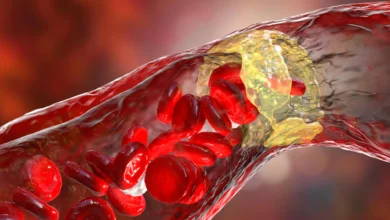
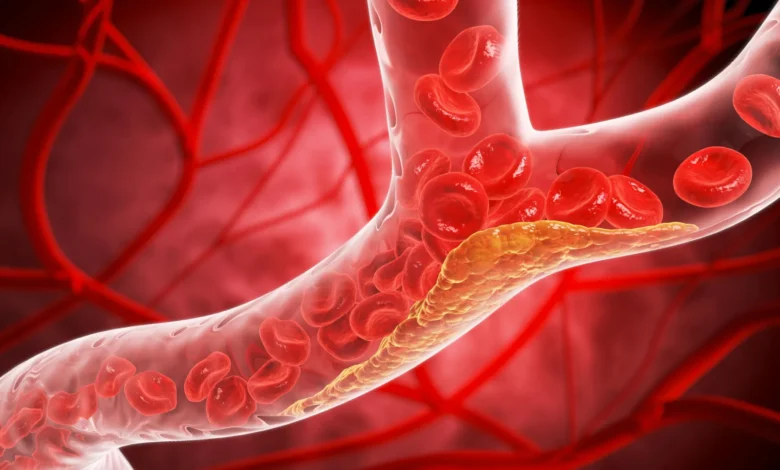
Cardiovascular disease remains the leading cause of death globally, with high LDL cholesterol—often termed "bad" cholesterol—serving as a primary driver of atherosclerosis. This condition involves the progressive buildup of fatty plaques within the arterial walls, which can eventually rupture or obstruct blood flow, leading to myocardial infarctions (heart attacks) and ischemic strokes. Despite the widespread availability of statins, a substantial portion of the high-risk population fails to reach the clinical targets necessary to minimize their risk of major adverse cardiovascular events.
The Evolution of Lipid-Lowering Science
The development of enlicitide is the culmination of decades of research, much of it rooted in foundational discoveries made at the UT Southwestern Medical Center. The scientific lineage of this drug can be traced back to the landmark work of Michael Brown, M.D., and Joseph Goldstein, M.D. In the 1970s and 80s, the duo identified the LDL receptor on the surface of liver cells, which acts as a "vacuum cleaner" to remove cholesterol from the bloodstream. Their discovery of the mechanism by which cells regulate cholesterol metabolism earned them the Nobel Prize in Physiology or Medicine in 1985 and provided the biological blueprint for the development of statins.
In the early 2000s, the Dallas Heart Study, led by Helen Hobbs, M.D., and Jonathan Cohen, Ph.D., added a critical new chapter to this narrative. They discovered that individuals with certain genetic mutations that reduced the production of a protein called proprotein convertase subtilisin/kexin type 9 (PCSK9) had exceptionally low LDL levels and a significantly lower risk of heart disease. The PCSK9 protein normally binds to LDL receptors and triggers their destruction; by inhibiting this protein, the liver can maintain a higher density of receptors, thereby clearing more cholesterol from the blood.
This genetic insight led to the development of PCSK9 inhibitors, such as the monoclonal antibodies evolocumab and alirocumab. While these drugs are highly effective, achieving reductions in LDL similar to those seen in the enlicitide trial, they require subcutaneous injections every two to four weeks. The introduction of enlicitide marks the first time this high level of efficacy has been successfully translated into a small-molecule oral pill.
Detailed Findings of the Phase Three Clinical Trial
The phase three trial for enlicitide was a massive undertaking involving 2,909 participants. The study population was specifically chosen to reflect the realities of modern clinical practice: individuals who already had established atherosclerotic cardiovascular disease or those at very high risk due to conditions such as diabetes or hypertension.
At the start of the trial, the average LDL cholesterol level among participants was 96 milligrams per deciliter (mg/dl). This is notable because most of these patients were already receiving standard-of-care treatments, including high-intensity statins. Despite these existing therapies, their levels remained well above the recommended targets of 70 mg/dl for patients with established disease and 55 mg/dl for those at the highest risk levels.
The participants were randomized, with approximately two-thirds receiving a daily dose of enlicitide and the remaining third receiving a placebo. The results at the 24-week mark were statistically significant and clinically profound:
- LDL Reduction: Patients taking enlicitide experienced a mean reduction in LDL cholesterol of approximately 60% compared to the placebo group.
- Secondary Biomarkers: The drug also showed significant efficacy in lowering other lipid markers associated with cardiovascular risk, including non-HDL cholesterol, apolipoprotein B (ApoB), and lipoprotein(a) [Lp(a)].
- Sustainability: Data from a full year of follow-up indicated that these reductions were maintained over the long term, with a safety profile that appeared comparable to existing therapies.
"The study population reflects what we see in clinical practice," noted Dr. Ann Marie Navar, a cardiologist and Associate Professor at UT Southwestern who led the study. "Even the highest intensity statins are often not enough to get people to their cholesterol goals. An oral therapy this effective has the potential to dramatically improve our ability to prevent heart attacks and strokes on a population level."
Addressing the Barriers to Current Treatments
The significance of enlicitide lies not just in its efficacy, but in its delivery method. While injectable PCSK9 inhibitors have been on the market for several years, their uptake has been hindered by several factors. Initially, the high cost of monoclonal antibodies created significant insurance hurdles and "prior authorization" burdens for physicians.
Even as costs have decreased, the psychological and logistical barrier of self-injection remains a deterrent for many patients and a point of hesitation for primary care providers. In many healthcare settings, there is a "therapeutic inertia" where physicians are comfortable prescribing pills but reluctant to transition patients to injectable regimens unless absolutely necessary.
By offering a once-daily pill that targets the same pathway as the injectables, enlicitide could bridge the gap between statin therapy and advanced lipid management. The ease of administration is expected to improve patient adherence, which is a critical factor in the long-term prevention of cardiovascular events.
Comparative Analysis and Market Impact
Currently, the market for cholesterol-lowering drugs is dominated by statins (like atorvastatin and rosuvastatin) and ezetimibe. While these drugs are inexpensive and effective for many, a large segment of the population is "statin intolerant" or simply requires more potent intervention. Other oral options like bempedoic acid offer more modest reductions in LDL (typically 15-25%) compared to the 60% seen with enlicitide.
If enlicitide receives regulatory approval, it will likely be positioned as a second-line therapy for patients who cannot reach their goals on statins alone. Its primary competition will be the injectable PCSK9 inhibitors and the twice-yearly injectable RNA interference therapy, inclisiran. However, the convenience of a daily pill is traditionally preferred by the majority of the patient population in the United States.
Merck & Co. Inc., the pharmaceutical giant sponsoring the research, is betting that the "oral advantage" will allow them to capture a significant share of the market currently underserved by injectables. The financial implications are substantial, given that millions of Americans are candidates for intensified lipid-lowering therapy.
Safety and Future Research
While the phase three results are promising, the medical community remains focused on the "gold standard" of clinical evidence: cardiovascular outcomes trials (CVOTs). While lowering LDL is a validated surrogate endpoint, the ultimate goal is to prove that the drug actually reduces the incidence of heart attacks, strokes, and death.
A large-scale cardiovascular outcomes trial is already underway to confirm these benefits. Historically, drugs that lower LDL cholesterol through the PCSK9 pathway have successfully demonstrated a reduction in major adverse cardiovascular events, leading to high confidence among researchers that enlicitide will follow suit.
Regarding safety, the trial reported that enlicitide was generally well-tolerated. Common side effects were monitored, and no major safety signals emerged that would distinguish it unfavorably from other lipid-lowering medications. However, as with any new class of drug, long-term surveillance will be necessary to monitor for rare or delayed adverse effects once the drug is used in a broader, more diverse population.
Broader Public Health Implications
The potential approval of enlicitide comes at a critical time for public health. Despite decades of progress in reducing smoking rates and improving emergency cardiac care, the decline in cardiovascular mortality has plateaued in recent years, partly due to rising rates of obesity and type 2 diabetes.
Aggressive lipid management is one of the most effective tools available to counteract these trends. By providing a potent, oral alternative to injections, enlicitide could simplify treatment algorithms and enable more patients to reach the aggressive LDL targets recommended by the American Heart Association and the American College of Cardiology.
As the medical community awaits the results of the ongoing outcomes trials and the subsequent FDA review, the data from The New England Journal of Medicine provides a strong foundation for optimism. The transition of PCSK9 inhibition from a specialized injectable to a routine oral pill could represent a milestone in the journey toward the primary and secondary prevention of heart disease on a global scale.