Faces of Discovery: Taylor Valentino’s Winding Path to Unraveling the Mysteries of Aging Muscle

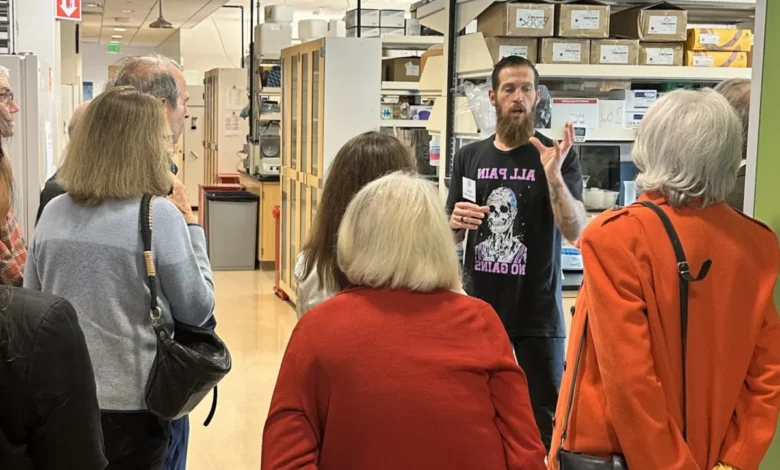
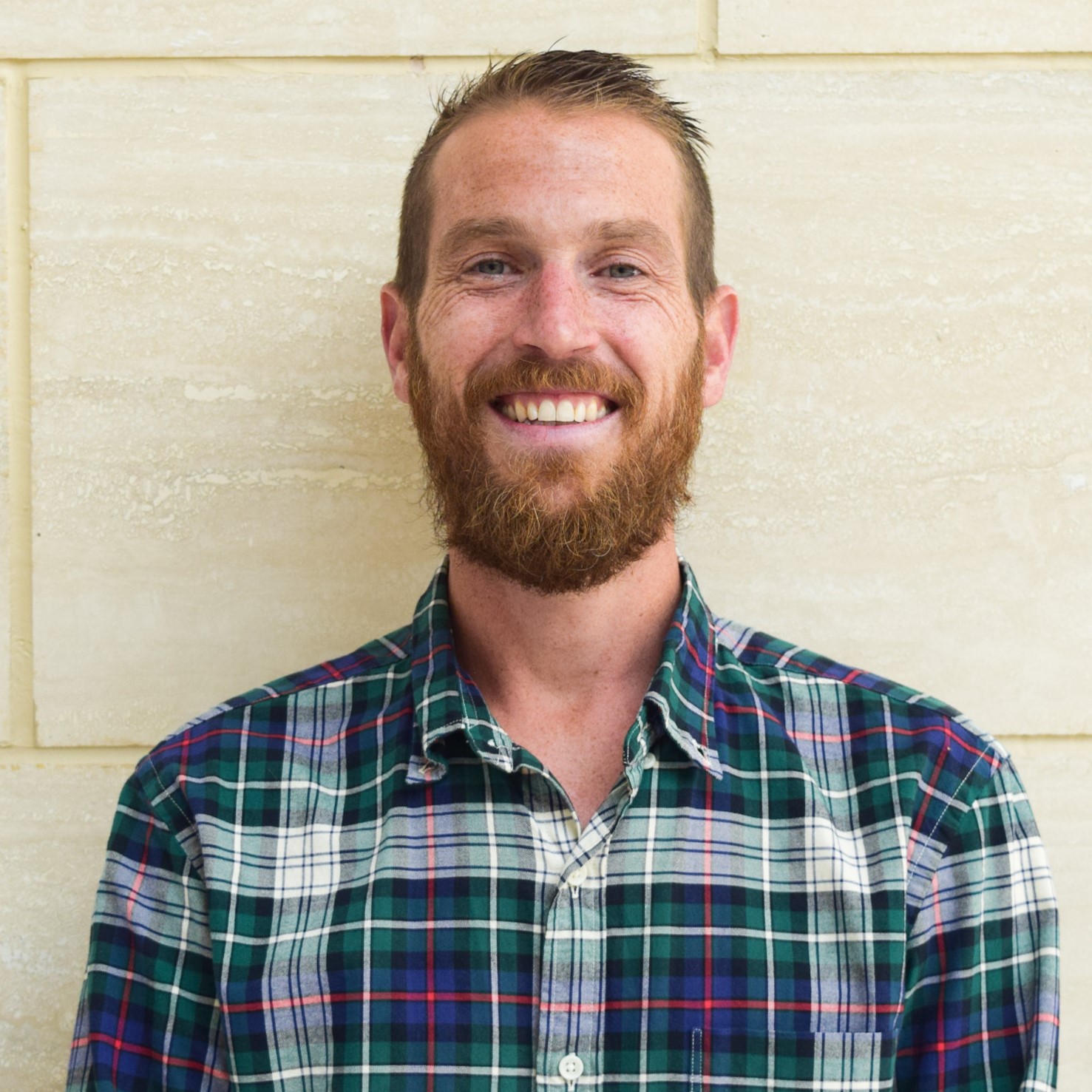
At the Buck Institute, groundbreaking discoveries are fueled by the dedication and ingenuity of its scientists. The "Faces of Discovery" series, a monthly feature on the Buck Blog, shines a spotlight on these researchers as they delve into the complexities of aging and strive to enhance human healthspan. This installment introduces Taylor Valentino, a scientist whose journey into aging research is as unique as the scientific questions he is tackling. Valentino, a native of Novato, California, embarked on a circuitous route to a career in science, ultimately finding his passion in understanding how lifestyle choices, particularly diet and exercise, influence the aging immune system and skeletal muscle.
A Marathon’s Momentum: From Party Days to Physiology
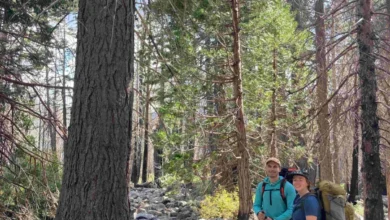
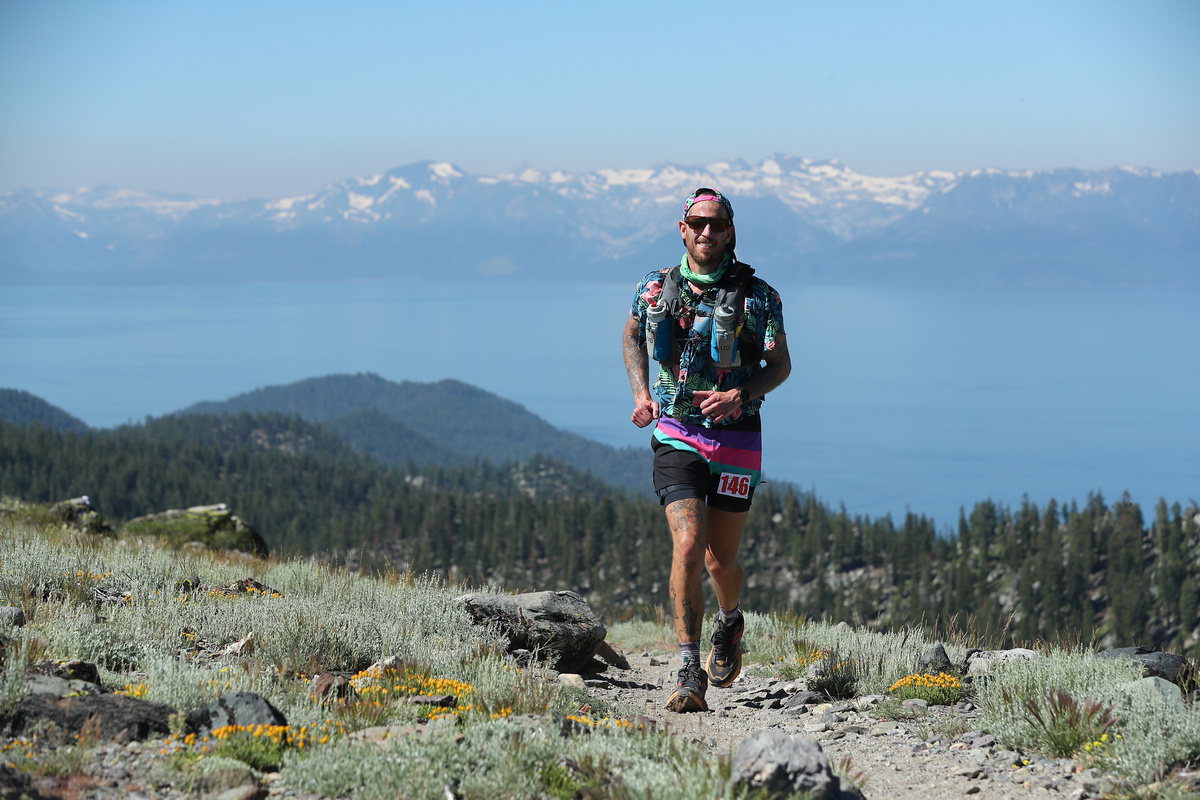
Valentino’s path to scientific inquiry wasn’t a straight line. In 2004, he relocated to Santa Barbara with the initial intention of enjoying college life, making only occasional appearances in classes at Santa Barbara City College. The catalyst for a more structured academic pursuit arrived unexpectedly. His father, celebrating his 50th birthday, challenged Valentino and a friend to run a marathon alongside him. "I arrogantly agreed," Valentino recalled, "and began ‘training,’ which I had no clue about." While the marathon itself was a grueling experience, the demanding physical challenge ignited a spark. He realized that to train effectively, he needed a deeper understanding of health and physiology.
This newfound curiosity led him to enroll in an introductory health class at city college. "I was hooked," he stated. What began as a quest for better running performance gradually evolved into a profound fascination with the scientific principles underlying human health. He started taking more science classes, driven by the desire to improve his athletic capabilities. It was during this period that he discovered a parallel passion: science itself. "Soon realized I loved science as much as running!" he explained. This realization was transformative, shaping his academic trajectory and eventually leading him to the Buck Institute.
The Evolving Landscape of Scientific Understanding
Valentino’s academic journey reflects a growing interest in the dynamic nature of scientific knowledge. He earned his Bachelor of Science and Master of Science degrees in Exercise Physiology from San Francisco State University, followed by a Ph.D. in Physiology from the University of Kentucky. This robust educational background provided him with the foundational knowledge necessary to pursue complex research questions in aging.
The allure of science, for Valentino, lies in its inherent dynamism. "In science, ideas have to continually grow and adapt, and every day I get to have my mind blown again by some new finding or paper," he articulated. This constant evolution and the potential for unexpected discoveries are what keep him motivated and engaged in his research. He views the scientific process as an ongoing exploration, where each new piece of information opens up further avenues of inquiry.
Tackling Sarcopenia: The Molecular Underpinnings of Muscle Aging
Currently, Valentino’s research is focused on a critical aspect of aging: the age-related decline in skeletal muscle mass and function, a condition known as sarcopenia. This phenomenon, characterized by a gradual loss of muscle strength and mass, can significantly impact an individual’s mobility, independence, and overall quality of life. While the benefits of exercise for healthspan are widely acknowledged, the precise biological mechanisms by which exercise confers these advantages remain a complex area of investigation.
"The central goal of my work is to understand how exercise supports the health and integrity of skeletal muscle, not just in terms of building strength or ‘getting jacked,’ but at a molecular and cellular level," Valentino explained. His research aims to dissect the intricate pathways through which physical activity promotes muscle health. By identifying these fundamental biological processes, scientists hope to develop novel therapeutic strategies.
The Microbiome: A New Frontier in Longevity Research
A significant focus of Valentino’s research involves exploring the role of the gut microbiome in muscle health and aging. The microbiome, the vast community of microorganisms residing in the human gut, is increasingly recognized for its profound influence on various aspects of health, including immune function, metabolism, and even mood. Valentino views the microbiome as an "untapped resource of natural compounds that can provide therapeutic potential."
He elaborated on this concept: "Exercise is known to re-shape the function of the microbiome, where the microbes produce biologically active metabolites/compounds (post-biotics) that we can search for and screen as potential therapeutics for longevity." This suggests that the beneficial effects of exercise on muscle may, in part, be mediated by changes in the gut microbiome, leading to the production of specific compounds that can influence muscle physiology.
Translating Complex Science for Everyday Understanding
To make his research accessible, Valentino uses a relatable analogy when explaining his work to his grandmother, whom he affectionately calls "Noni." He likens the process to a biological collaboration: "Noni, when we exercise, our bacteria in our gut makes small molecules that act like helpful messengers in the body. Some of these messengers can protect our muscles from getting smaller and weaker over time."
He further detailed the specific findings: "We’ve identified two of these molecules that look especially promising. In studies with mice, they helped preserve muscle size and strength, even as the animals aged. Because these molecules come from the gut and are linked to exercise, we think they may offer a new way to support muscle health as we age." This simplified explanation highlights the potential of harnessing naturally occurring compounds to combat age-related muscle decline.
Potential for Broad Health Applications
The implications of Valentino’s research extend beyond the general aging population. The development of supplements derived from these microbiome-produced compounds could offer significant benefits to individuals facing muscle loss due to specific circumstances. "The goal is to provide people with a simple supplement that could be used across a variety of situations," Valentino stated.
He provided concrete examples: "For instance, individuals who are hospitalized for extended periods or required to wear a cast may experience significant muscle loss due to immobilization. Taking these supplements during those times could help mitigate that loss." This suggests a potential therapeutic intervention to aid recovery and reduce the debilitating effects of prolonged inactivity.
Furthermore, the supplements could serve as a crucial stepping stone for older adults experiencing age-related muscle weakness. "Older adults experiencing age-related muscle weakness or sarcopenia could use these supplements as a springboard to regain mobility and strength, helping them eventually return to regular physical activity," he explained. Valentino emphasized that the intention is not to create a dependency, but rather to provide a temporary boost during critical periods when additional support is most needed, ultimately facilitating a return to an active lifestyle.
The Future of Aging Research: A Horizon of Possibilities
Looking ahead, Valentino expresses profound excitement about the trajectory of his field over the next five to ten years. "I am really excited to see more in-depth deep exploration into the power of exercise and exactly how it promotes longevity," he declared. This sentiment underscores the growing recognition of exercise as a cornerstone of healthy aging and the scientific drive to fully understand its multifaceted benefits.
He anticipates that this deeper understanding will pave the way for the development of highly targeted interventions. "This work will provide a foundation for developing targeted interventions to preserve muscle and overall function as we age," he stated. The prospect of translating these scientific insights into tangible health improvements for individuals worldwide is what fuels his passion and anticipation. "This is really exciting to me, and I CANNOT WAIT to see it unfold!" he concluded.
Valentino’s journey, from a casual marathon bet to cutting-edge aging research, exemplifies the unexpected pathways that can lead to significant scientific contributions. His work at the Buck Institute, focusing on the intricate interplay between exercise, the microbiome, and muscle health, holds immense promise for enhancing the quality of life for aging populations and redefining what it means to live a longer, healthier life. The Buck Institute, a leader in aging research, continues to foster an environment where such pivotal discoveries can flourish, driven by the curiosity and dedication of scientists like Taylor Valentino.
Related posts: